
What Is a Soil Amendment?
A Soil Amendment is a material mixed into existing soil to improve its structure, drainage, moisture holding, or nutrient balance. Common amendments include compost, aged organic matter, and mineral materials. The right choice depends on the soil’s texture, plant needs, and site conditions. Amendments support healthier root growth when applied correctly.
Quick Facts About Soil Amendment
Category
Soil improvement material
Used for
Structure, drainage, moisture, or nutrient balance
Common confusion
Not the same as fertilizer
Also called
Soil Conditioner, Soil additive
Often discussed with
Garden Design
Key Takeaways About Soil Amendment
- Amendments change soil properties without replacing the entire planting bed.
- Choose materials based on soil texture and plant needs.
- Fertilizer adds nutrients, while amendments improve the soil itself.
How Soil Amendment Works
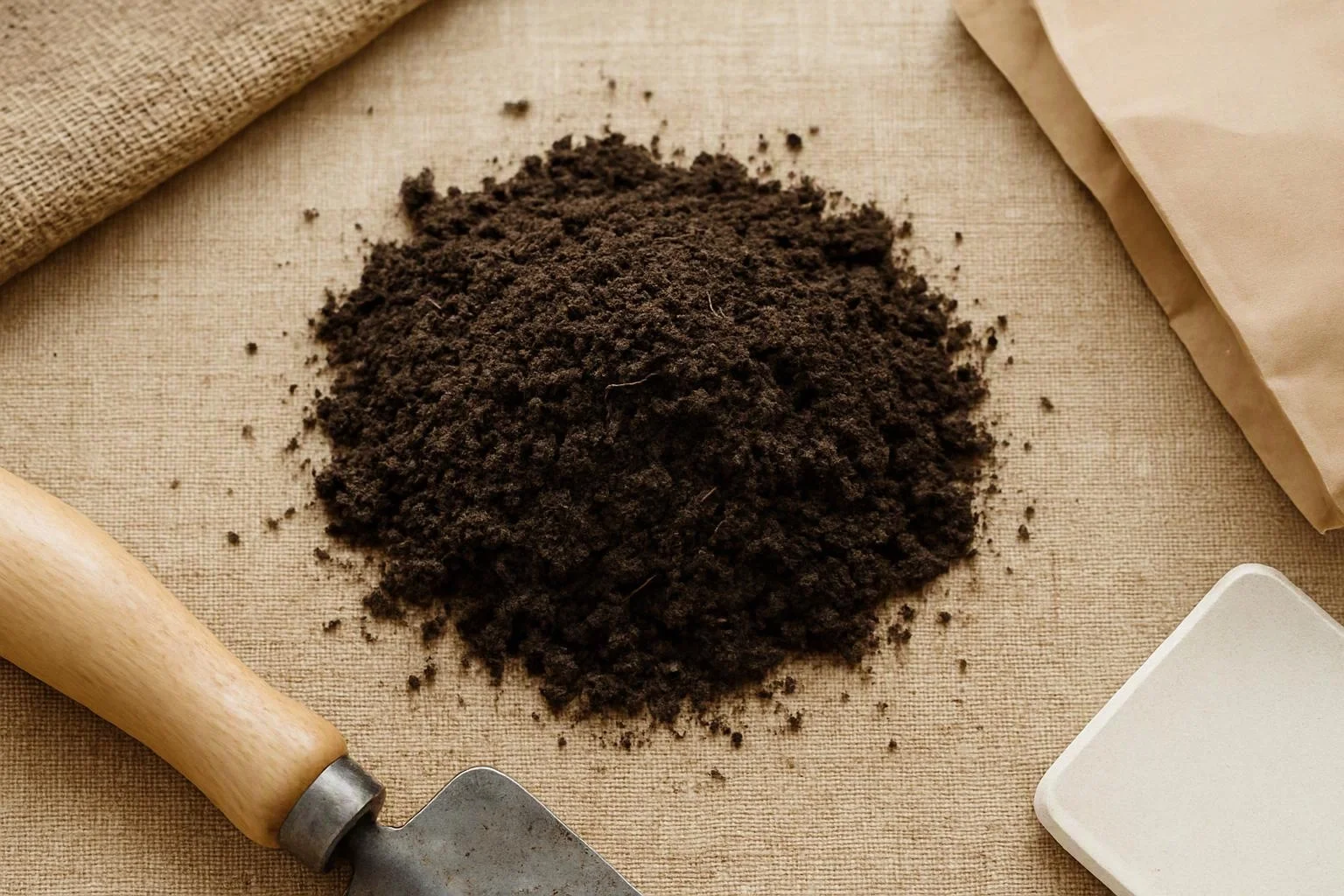
Soil Amendment works by changing the physical or chemical condition of soil. Organic matter can help compacted soil hold air and water. Coarse materials can improve drainage when the soil and site allow proper water movement.
Related glossary terms: Subgrade.
Garden designers assess the existing soil before choosing an amendment. They may check texture, drainage, compaction, and plant needs. The material is then mixed into the planting area at a suitable depth. A good amendment supports roots without creating a sharp change between amended soil and surrounding soil.
Compost is often used to add organic matter. Mulch stays on the surface and protects soil, so it serves a different purpose.
Expert Note
When we plan Garden Design work, we examine soil texture, drainage, and the plants selected for each area. We choose amendments that fit the site, then blend them through the planting zone so roots can move into the surrounding soil.
Soil Amendment in Practice: A Real-World Example
A Garden Design plan for a new shrub bed may include compost mixed into compacted soil before planting. The amendment helps create a better root zone, while surface mulch helps protect the finished bed.
Related Services
Related Terms
Subgrade
A subgrade is the shaped and compacted ground beneath a finished landscape surface, such as a…
LandscaperMaplevalleywa.com
Have Questions About Soil Amendment?
Contact LandscaperMaplevalleywa.com for practical guidance on Soil Amendment and related landscape architect company work in Maple Valley.