When reviewing site readiness, what materials are used for artificial turf installation before the crew arrives on site?
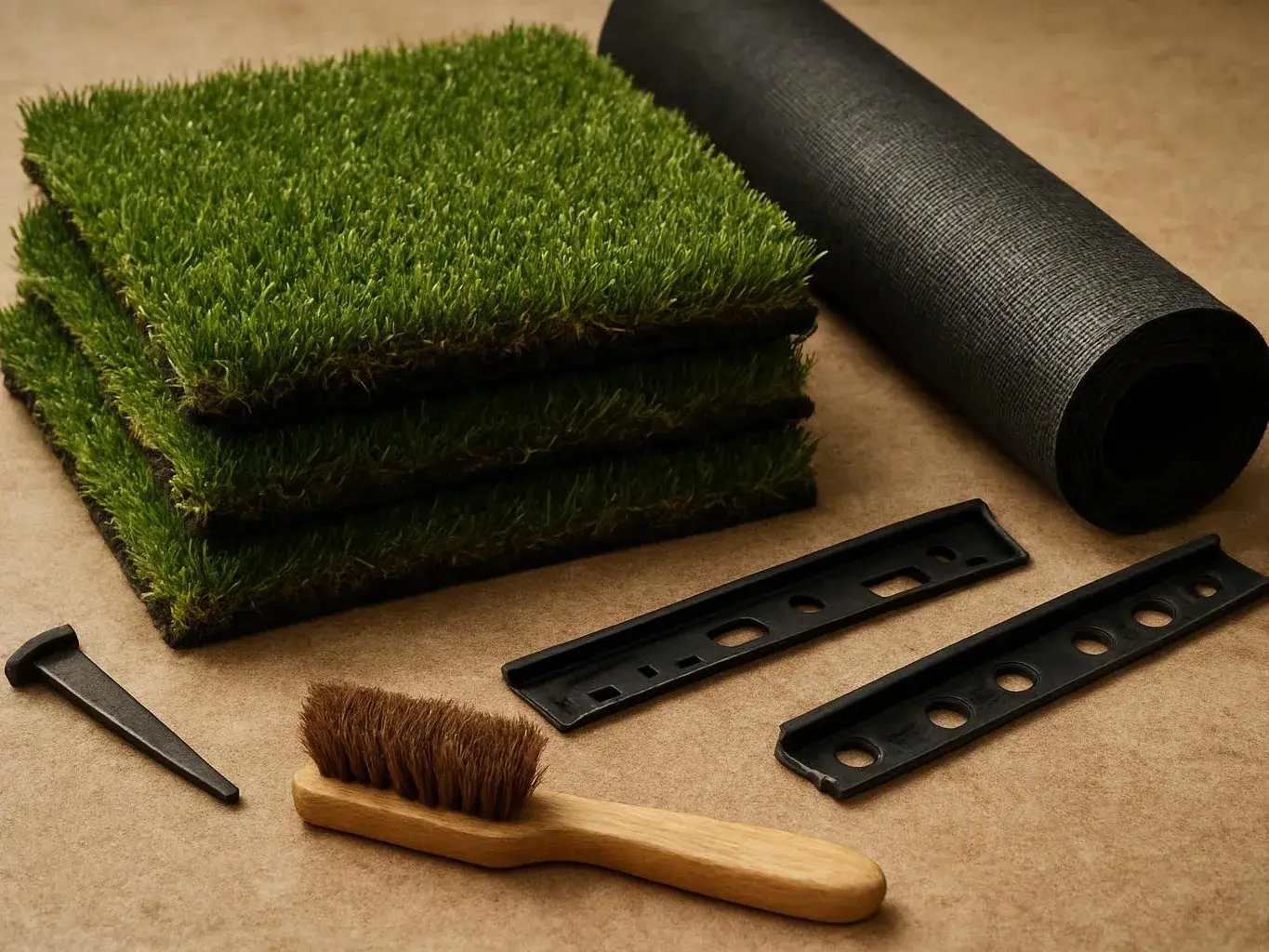
Landscape staples, synthetic grass, infill sand, seaming adhesive, and rubber infill are materials used for artificial turf installation. Synthetic grass creates the visible surface. Infill supports the turf system, while adhesive joins sections where needed. Edge fasteners secure the boundaries. The right combination depends on the lawn layout, intended use, and connections to nearby landscape features.
How do you choose synthetic grass for a residential lawn?
Synthetic grass should match the planned use, lawn shape, and nearby landscape finishes. The visible blade style is only one part of the choice. We also review seams, infill, edge conditions, and how the turf meets paths or planting beds. A material discussion during the quote process helps connect the product choice to the actual property.
Which infill works with an artificial lawn?
Infill sand and rubber infill are options that may suit different artificial lawn plans. The choice depends on the selected turf, intended use, and surface design. We discuss the infill as part of the full material system, not as a separate add-on. Nearby planting and hardscape areas also matter because loose material must stay within the planned lawn zone.
Why do artificial turf seams become visible?
Visible seams can result from turf alignment, joint placement, adhesive work, or movement at the connection. The seam needs inspection before a repair method is chosen. We review the adjoining turf and the surface around the joint. That check helps determine whether the issue is limited to one seam or relates to the broader layout.
What should I confirm before approving the work for Artificial Turf Installation?
The written scope should identify the turf material, infill choice, seam treatment, edge fastening, and areas included. The property layout should also show where turf meets paths, patios, walls, or planting beds. Ask how maintenance guidance will cover the finished surface. These details help you compare quotes by work scope instead of by product name alone.
Can artificial turf fit with a larger landscape design?
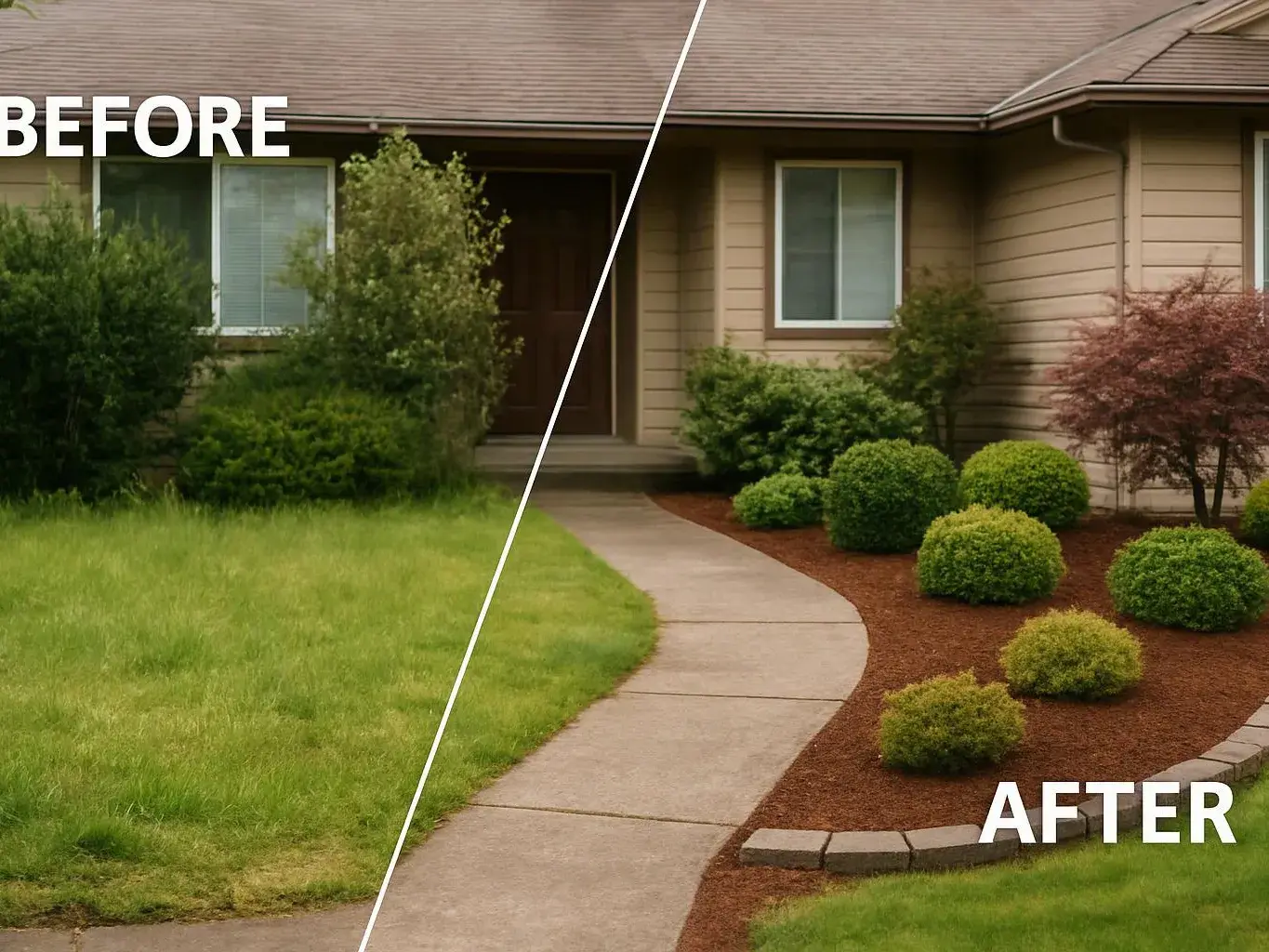
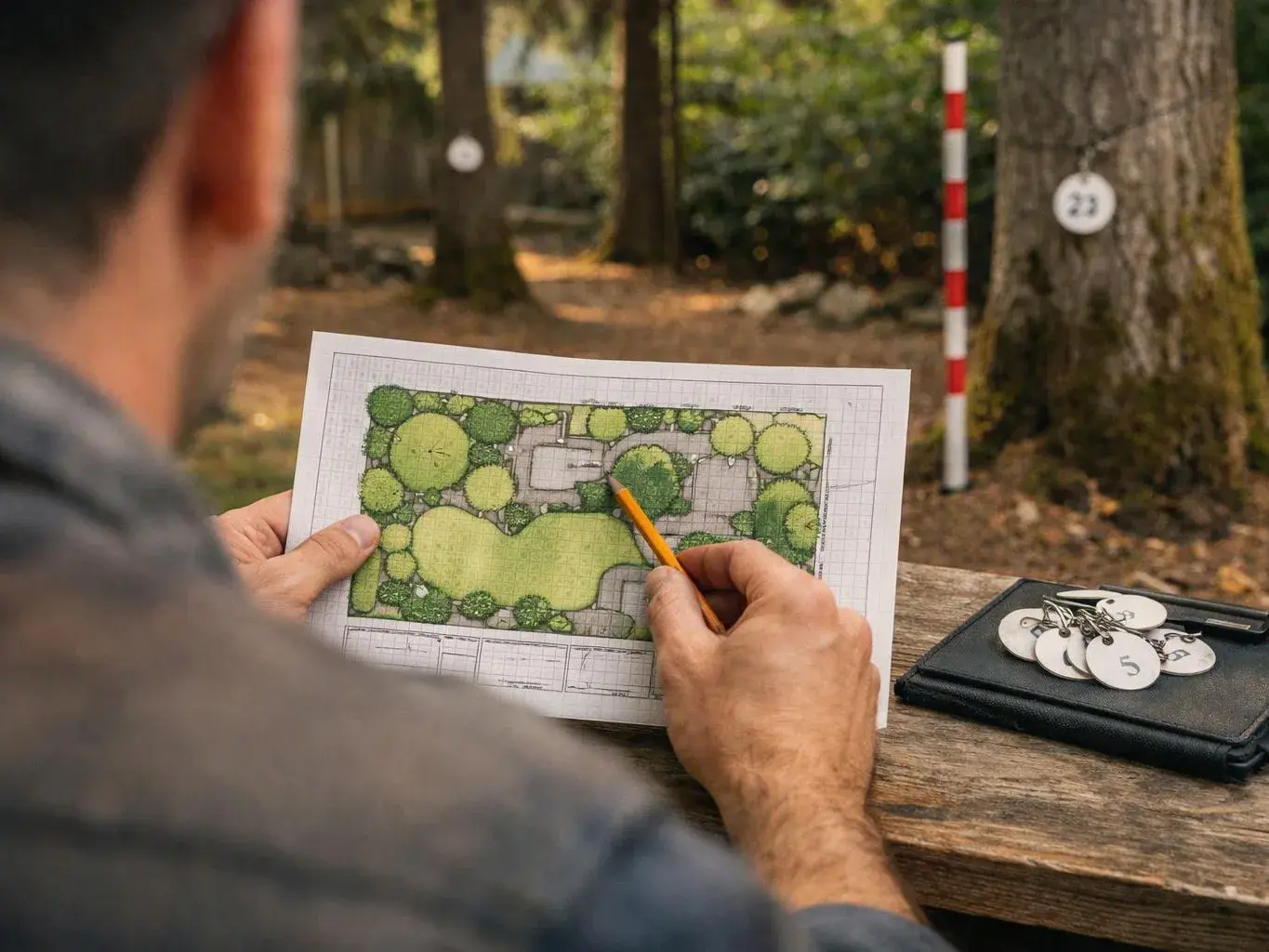
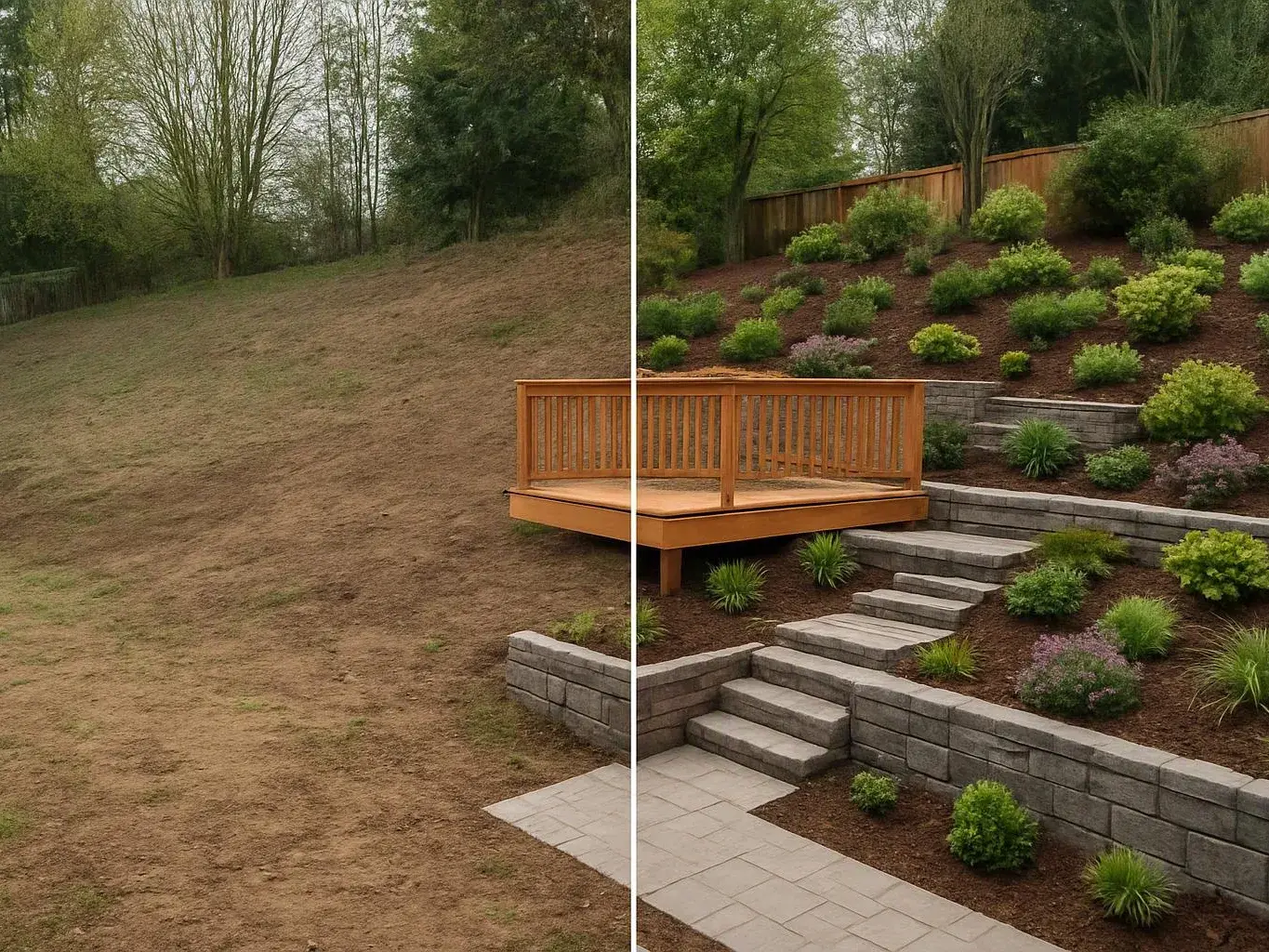
Artificial turf can fit a larger landscape design when its edges and transitions are planned with the other elements. Patios, walkways, planting, retaining walls, and lighting may all meet the lawn area. Our coordinated design-to-build process reviews those relationships together. Turf is less suitable when the space needs living plants or a natural lawn cycle.
What changes the quote for this turf project?
The turf area, layout shape, material selections, seams, edge work, access, and adjoining landscape features change the quote. A simple rectangle and a detailed area with several transitions require different planning. We review the property and requested scope before preparing pricing. The quote should reflect the actual materials and construction work included.