How do drainage swales improve drainage around a property?
Drainage swales guide surface runoff along a planned path and away from low areas. Their shape and position depend on the property's slope, soil, hardscape, and available drainage path. We review those conditions before deciding whether a swale belongs in the grading plan. A swale is not the right answer for every water issue, especially when a separate drainage system needs repair or installation.
What part of my property decides the grading scope?
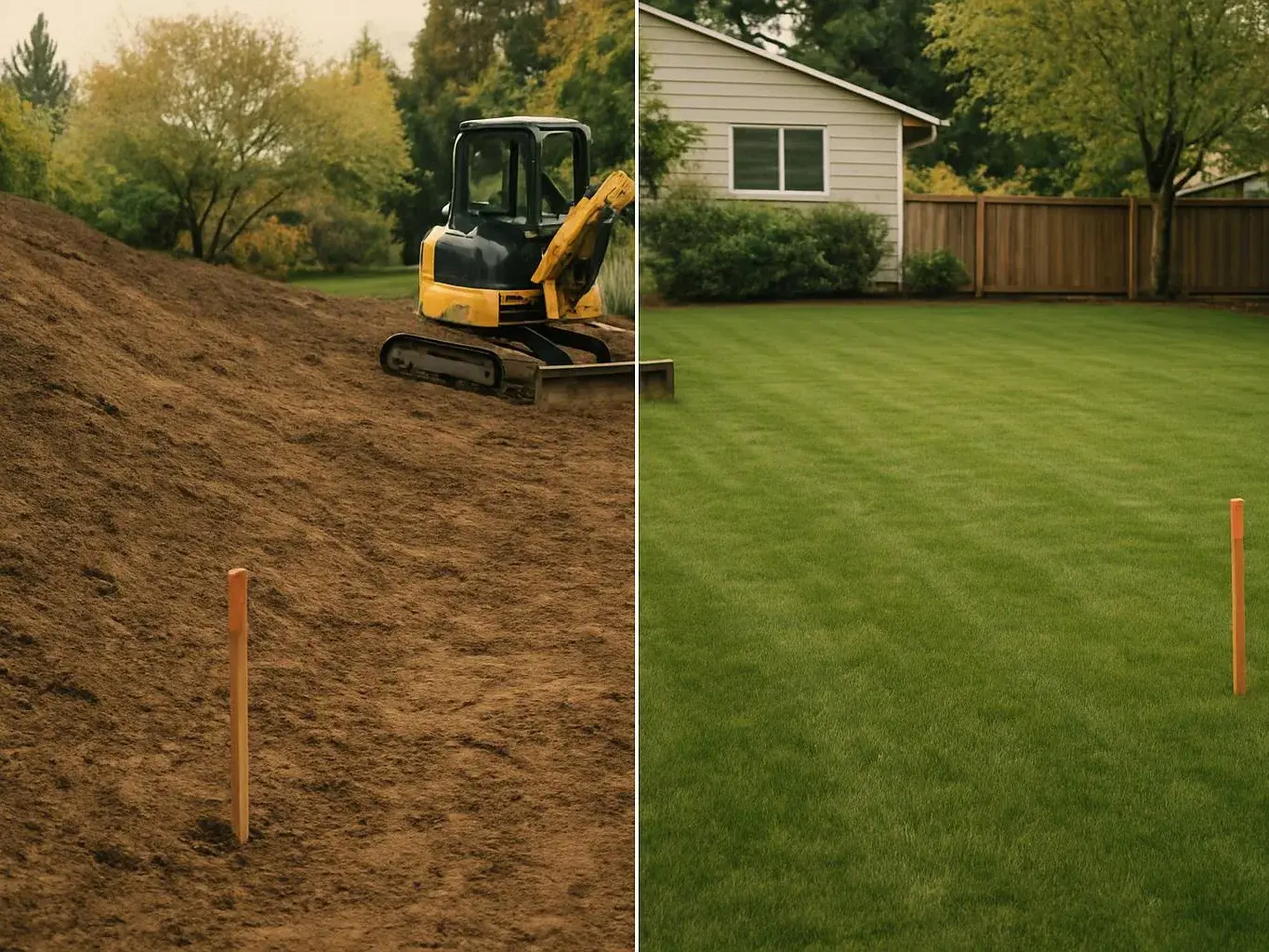
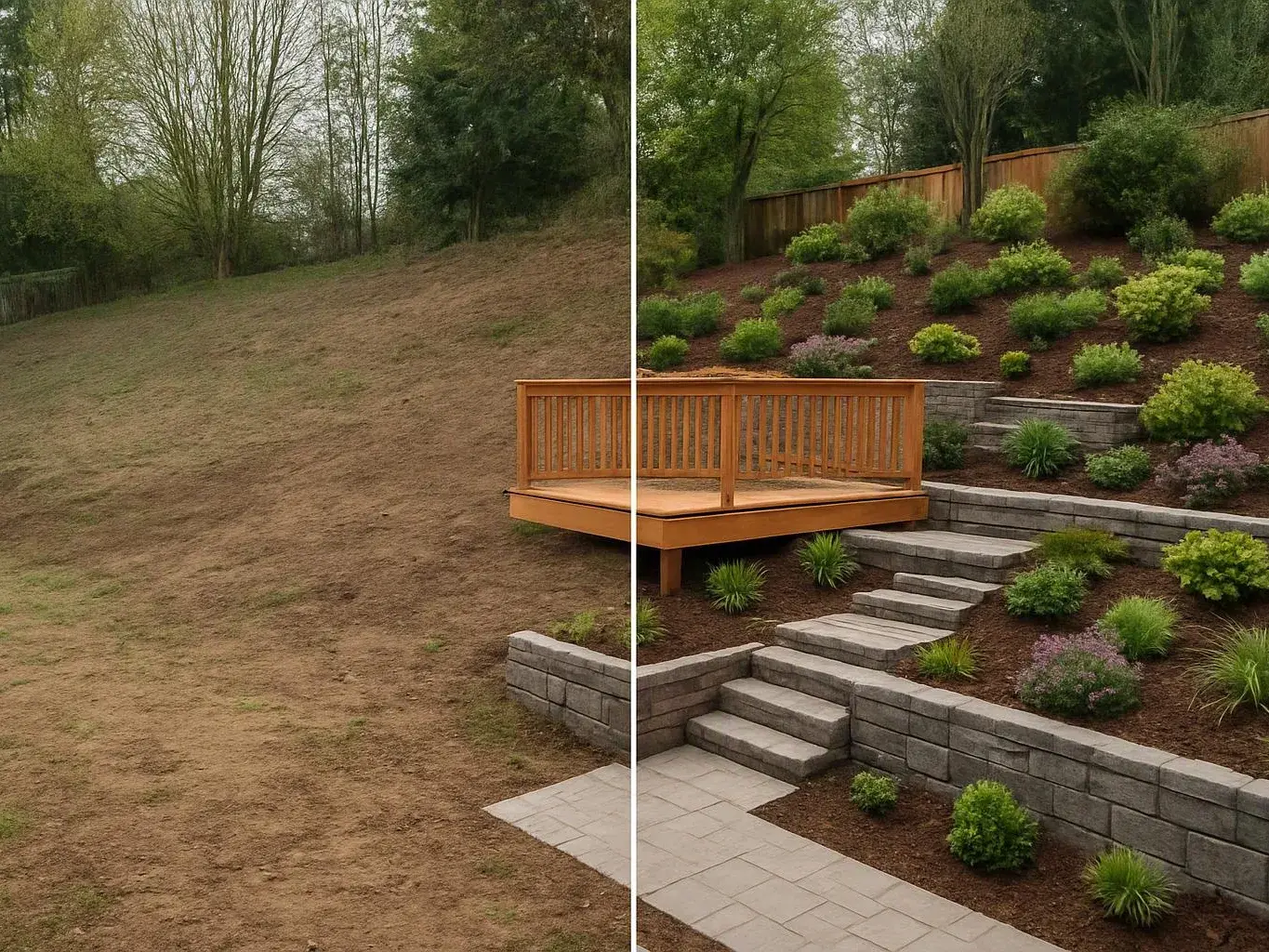
The existing slope and low areas usually set the starting point for the grading scope. Soil levels, patios, walkways, retaining walls, planting beds, and the home's fixed elevations also matter. We compare these features before setting proposed grades. That review helps show whether the work should focus on surface shaping, a drainage swale, or connected construction.
Which ground symptoms suggest grading may fit?
Standing water, a visible low spot, and runoff crossing a usable area can indicate that grading needs review. These signs do not prove that grading alone will solve the issue. Soil, blocked paths, hardscape edges, and existing drainage features can create similar symptoms. We inspect the full area so the proposed work matches the cause.
Why can water return after the surface is reshaped?
Water can return when the main cause lies beyond the surface grade. A blocked drain, poor soil absorption, an undersized drainage feature, or a neighboring flow path can affect the result. Our assessment looks at the wider site, not only the wet spot. The quote can then separate grading from any related drainage work.
When should grading be planned with a landscape installation?
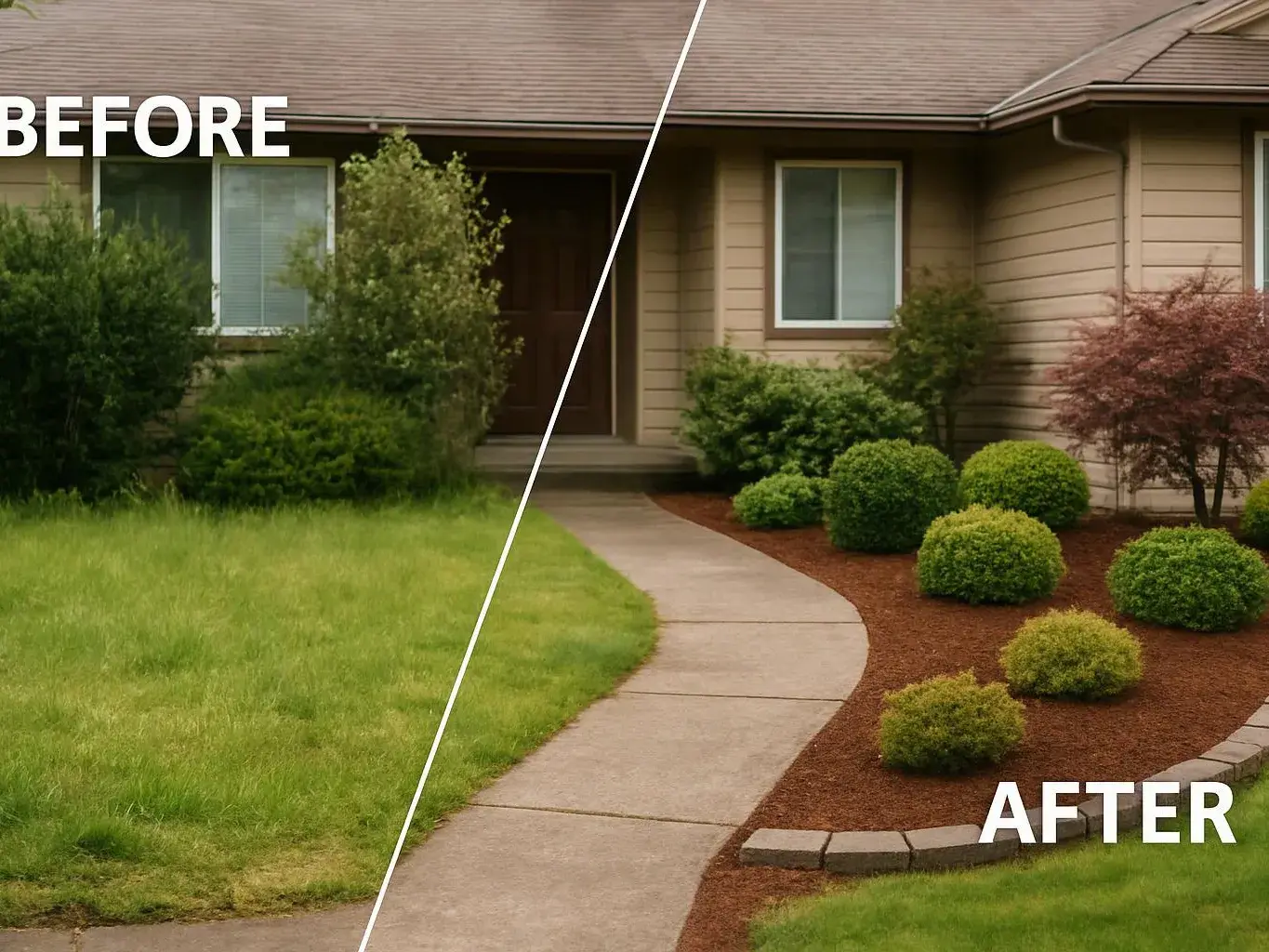
Grading should be planned before patios, walkways, lawn, planting beds, or retaining walls are installed. Early planning lets the ground levels support each connected element. It also reduces the risk of covering a drainage problem with finished materials. We coordinate the grade with the broader landscape design and construction sequence.
How does a landscape architect differ from a landscape designer on this work?
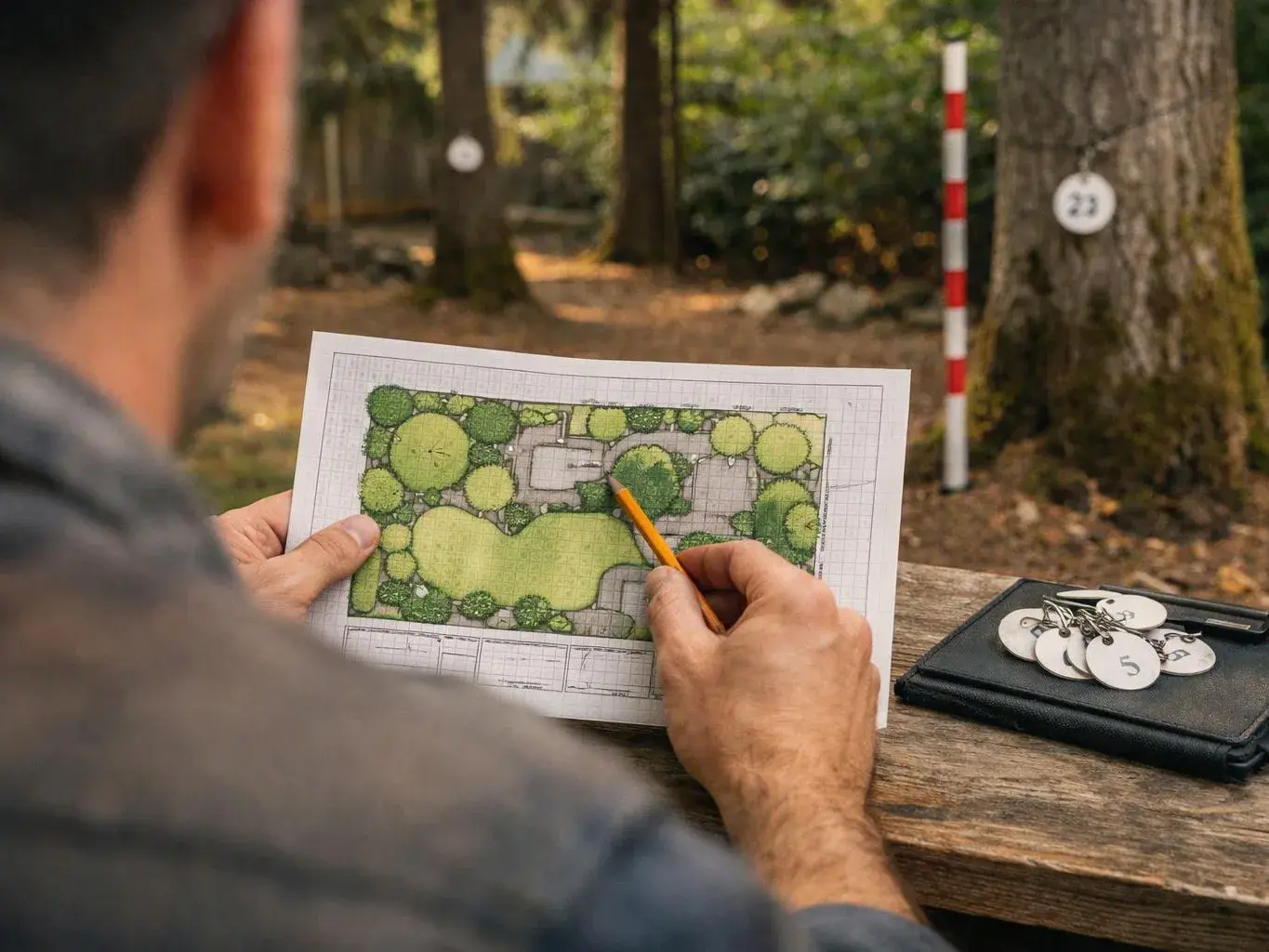
A landscape architect has formal landscape architecture training, while a landscape designer may focus on planting and outdoor layout. The right fit depends on the site's complexity and the services required. Adam Gorski is a Cornell University Landscape Architecture graduate and certified landscape designer. Our process combines design planning with hands-on landscape construction.
What changes the quote for a grading project?
The quote changes with the amount of earthwork, slope, soil, access, drainage features, and connected landscape construction. Existing walls, patios, paths, lawns, and planting beds can add coordination needs. We discuss the property and requested work before setting the scope. Upfront pricing is provided as part of that process.