Skip to content

Lawn Fertilization Columbia City Washington

Thin, pale grass in Columbia City often points to a nitrogen need. We match lawn care to the soil and turf condition.

5 · 36 Reviews29 Years in BusinessUpfront, Transparent PricingServing 89 Communities

Quick Summary: lawn feeding in Columbia City, Washington

Lawn Fertilization in Columbia City is provided by LandscaperMaplevalleywa.com for homeowners throughout King County and the Eastside. The service covers nutrient planning for residential lawns, supported by landscape design and construction experience.

  • What we do: LandscaperMaplevalleywa.com provides Lawn Fertilization for residential lawns in Columbia City, Washington.
  • What is included: We assess lawn condition, review soil factors, and plan nutrient support around the property.
  • What you get: The customer receives a lawn nutrient plan that matches the turf condition and property needs.

Why does my lawn stay pale after fertilization in Columbia City, Washington?

Nitrogen is the main nutrient linked to pale, slow-growing turf, but soil conditions can limit uptake. Compacted soil, poor drainage, uneven coverage, and low iron can also affect color. A lawn review helps separate a nutrient need from a mowing, watering, pest, or disease concern. The right next step follows the condition found on the property.
Our Track Record

Years in Business
29
Average Rating
5
Customer Reviews
36

Lawn Fertilization for Columbia City lawns

Lawn Fertilization focuses on the turf itself. We assess grass color, density, bare spots, soil condition, and the lawn's care history before discussing nutrients.

The buyer decision is whether the lawn needs feeding, a soil correction, or a different service. A nutrient application won't correct drainage, heavy compaction, pest damage, or a serious turf disease by itself. Regular maintenance can help keep the lawn consistent after the initial concern is addressed.

Nitrogen receives the closest attention because it supports leaf growth and green color. Phosphorus supports root development, while potassium supports general plant strength. Iron and micronutrients can matter when color remains poor, but the lawn's condition should guide their use.

  • Look for pale color, weak growth, thin turf, and uneven density.
  • Separate nutrient needs from drainage, compaction, pests, disease, or mowing stress.
  • Review the lawn's soil and care history before choosing a nutrient approach.
  • Request a quote when the property and lawn scope are clear.
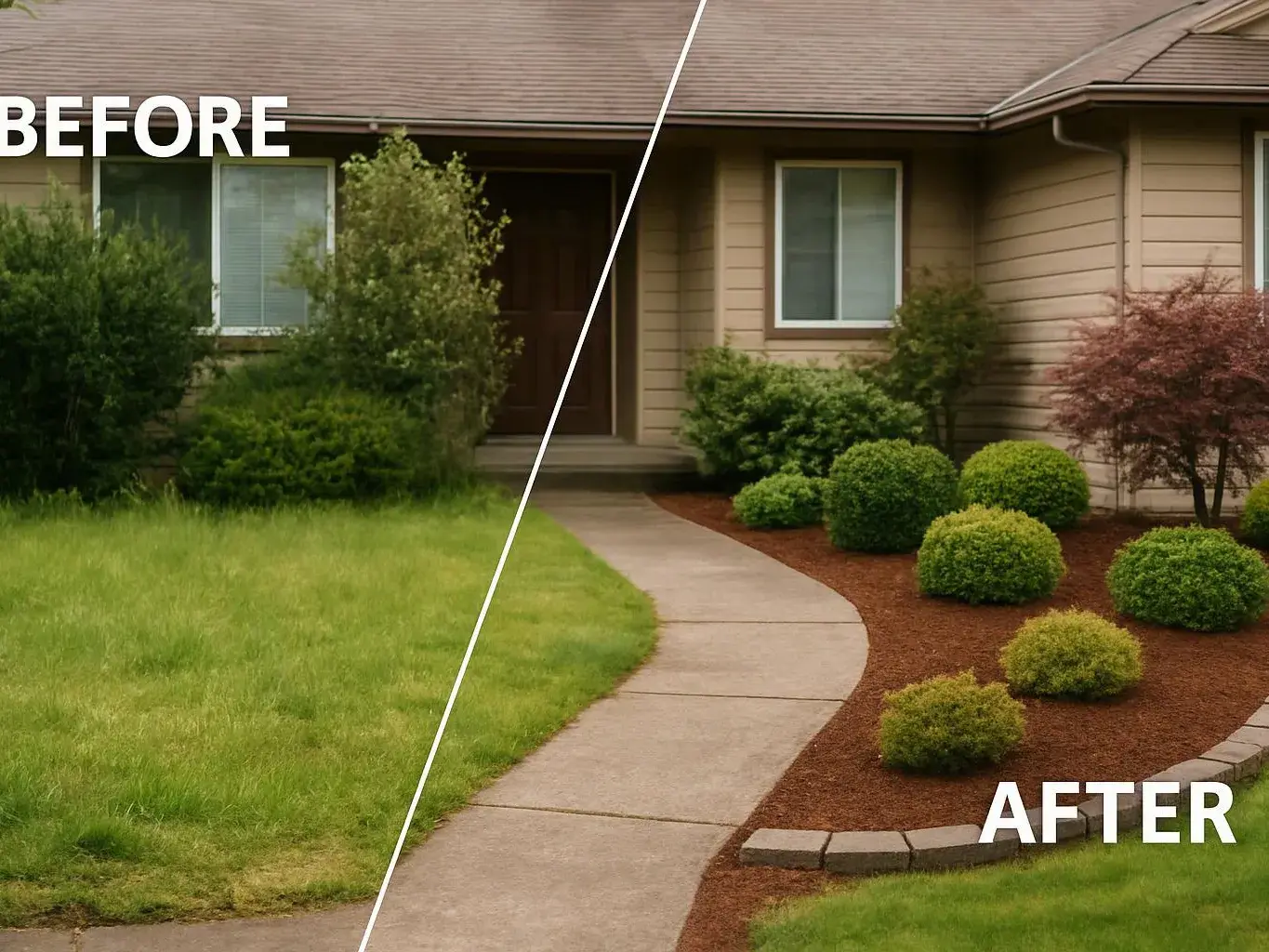
Split view of a house front yard before and after landscaping, with a curved walkway, trimmed shrubs, and lawn

Service Overview

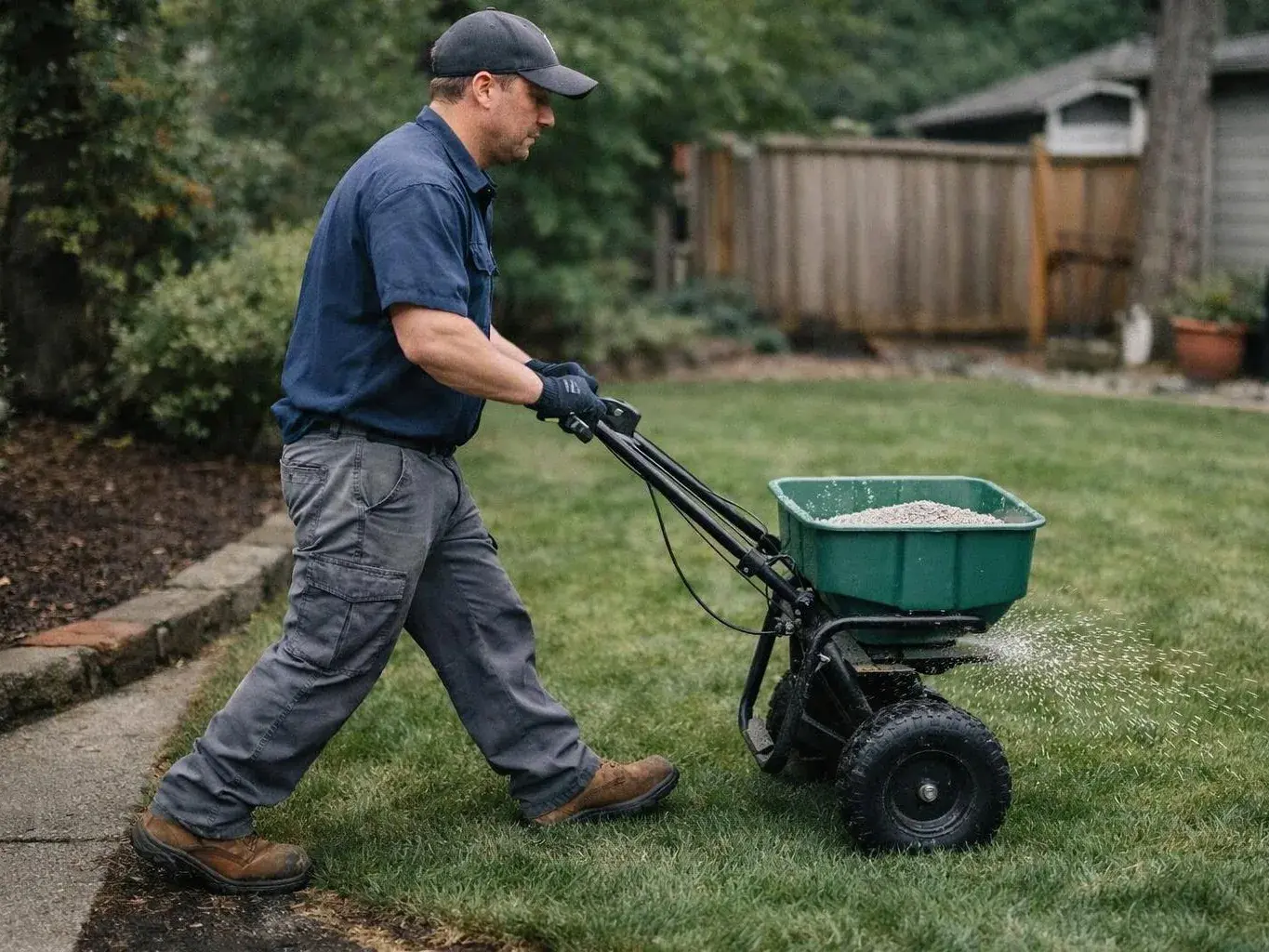
Lawn Fertilization is a lawn care service that supplies nutrients to support turf growth and color.

  • Fertilization feeds existing turf, while lawn installation creates a new lawn and planting design shapes the wider property.
  • We provide this lawn service for homeowners in Columbia City and throughout our stated King County coverage.

Why homeowners choose a design-LED lawn care review

Site knowledge before nutrient choice

Our work begins with the property and its soil, slope, drainage, and existing landscape. We bring formal landscape architecture training and hands-on construction experience to the review. Fertilization is the wrong first job when drainage failure, disease, or severe soil compaction drives the lawn problem.

Nutrients explained without guesswork

Nitrogen, phosphorus, potassium, iron, and micronutrients each serve different plant needs. We explain which concern each nutrient addresses, so you can understand the proposed scope before requesting a quote.

A wider landscape view

A lawn does not sit apart from the rest of the property. Existing planting, drainage paths, walkways, and lawn installation choices can affect how the area is maintained.

A situation this service fits

A homeowner notices pale turf beside established planting and assumes the lawn only needs more feed. We review the visible lawn, soil condition, drainage, and recent care before choosing a response. If the grass sits in a poorly drained or compacted area, correcting that condition may matter more than adding nutrients.

The customer then receives a defined scope for a quote.

Process

How we assess and plan lawn feeding

1

Review the lawn symptoms

We note pale color, thin growth, bare areas, uneven density, and other visible signs.

2

Check soil and site factors

We consider soil condition, drainage, compaction, nearby planting, and the lawn's recent care.

3

Match nutrients to the need

We explain whether nitrogen, phosphorus, potassium, iron, or micronutrients belong in the proposed scope.

4

Set the quote scope

We outline the lawn area and work discussed, then provide a quote based on the property and service needs.

5

Share care guidance

We explain maintenance points that can help the lawn hold more even growth after the work.

What lawn fertilization includes for your property

LandscaperMaplevalleywa.com provides comprehensive Lawn Fertilization in Columbia City. Here's what you get:

  • We review turf color, density, bare areas, and visible lawn stress.
  • We consider soil condition and the lawn's recent care history.
  • We discuss nitrogen, phosphorus, potassium, iron, and micronutrients in plain language.
  • We identify when fertilization fits the lawn and when another service should come first.
  • We explain the proposed scope before work begins.
  • We provide maintenance guidance that supports the lawn after the service.

What better nutrient planning changes

A nutrient review gives you a clearer reason for pale or weak turf.

The plan matches the lawn's condition instead of treating every grass area alike.

Regular care can help maintain more even turf growth between service visits.

You can separate a feeding need from drainage, soil, pest, or disease concerns.

The discussion gives you a practical basis for requesting a quote.

Nutrient roles in lawn care

This table compares the main nutrient roles that may arise during a lawn review.

NutrientPrimary roleWhat the review considers
NitrogenSupports leaf growth and green colorPale or slow-growing turf
PhosphorusSupports root developmentThe lawn's broader nutrient needs
PotassiumSupports general plant strengthOverall turf condition
IronCan affect lawn colorPersistent pale turf
MicronutrientsSupport plant function in small amountsSoil and lawn condition

Our Standard

  • Professional Consultation Access
  • On-Site Consultation
  • Conscious Design Practices
  • Coordinated Project Services

Customer Reviews for Lawn Fertilization in Columbia City

5(36 Customer Reviews)View our Google Business Profile
B Spence
B Spence
8 months ago
Verified on Google
Adam and his team transformed our front yard, and the results exceeded our expectations. What started as a space overdue for updating is now a bright, well‑designed landscape with vibrant flowers that looked great all summer. We also really appreciate the reduced lawn area, which has made upkeep much easier. The project was completed in just a few days and included the installation of a new underground sprinkler system. Adam’s crew was courteous, detail‑focused, and consistently left the work area clean and organized at the end of each day. We’re extremely pleased with the finished product and wouldn’t hesitate to recommend Adam and his team.
Chris Rowland
Chris Rowland
8 months ago
Verified on Google
Adam Gorski Landscapes truly stands out for the amazing projects they deliver in North Bend and Snoqualmie. Their work transforms spaces in ways that feel both natural and breathtakingly professional, creative, and always exceeding expectations. Couldn’t be happier with the results! Highly recommend Adam and his team for any landscaping needs in the area.
Virginia Willkens
Virginia Willkens
8 months ago
Verified on Google
Adam Gorski Landscapes is top notch. He collaborates with each customer to create the perfect environment for their needs. Quality and creativity are foremost in design and completion of each project.

Questions about lawn feeding and nutrient needs

What nutrients does a lawn need for fertilization?

Nitrogen is the main nutrient for leaf growth and green color, while phosphorus and potassium support other turf needs. Iron can affect color, and micronutrients support plant function in smaller amounts. The right mix depends on the lawn, soil, drainage, and care history. We review those factors before explaining the proposed nutrient scope.

How does the property affect the lawn feeding scope?

Property conditions determine which lawn areas need review and which nutrient concerns deserve attention. Soil, drainage, compaction, nearby planting, and access can all change the scope. A lawn beside planting beds may need a different discussion from an open turf area. We use the site review to define the work before preparing a quote.

Which lawn signs suggest a nutrient issue?

Pale color, slow growth, thin turf, and uneven density can suggest a nutrient issue. Those signs can also come from poor drainage, compaction, pests, disease, or mowing stress. We compare the visible pattern with soil and care conditions before choosing fertilization. That check helps prevent the wrong service from being applied to the lawn.

When should I request a lawn fertilization quote?

Request a quote when pale or weak turf continues and you want the cause reviewed before choosing nutrients. Share the property location, lawn concern, and any recent care details. We can discuss whether the job fits fertilization or needs another landscape service first. The quote reflects the lawn area and the agreed scope.

Why might grass stay pale after feeding?

Grass can stay pale when soil, drainage, compaction, iron, pests, disease, or mowing stress affects growth. More fertilizer won't correct every turf problem. We look at the lawn pattern and site condition before recommending more nutrients. This is especially useful when color changes unevenly across the same property.

Can fertilization fix poor lawn drainage?

Fertilization cannot fix poor lawn drainage because drainage is a site condition, not a nutrient supply. Standing water, compacted soil, and runoff may need a separate landscape assessment. We can identify when the lawn concern points beyond feeding and explain which service should be considered next. That keeps the quote tied to the actual property problem.
Contact

Request a lawn fertilization quote in Columbia City

Start with a review of your lawn condition, nutrient concern, and property scope, then request your quote.

(425) 587-8011