Review the site and intended use
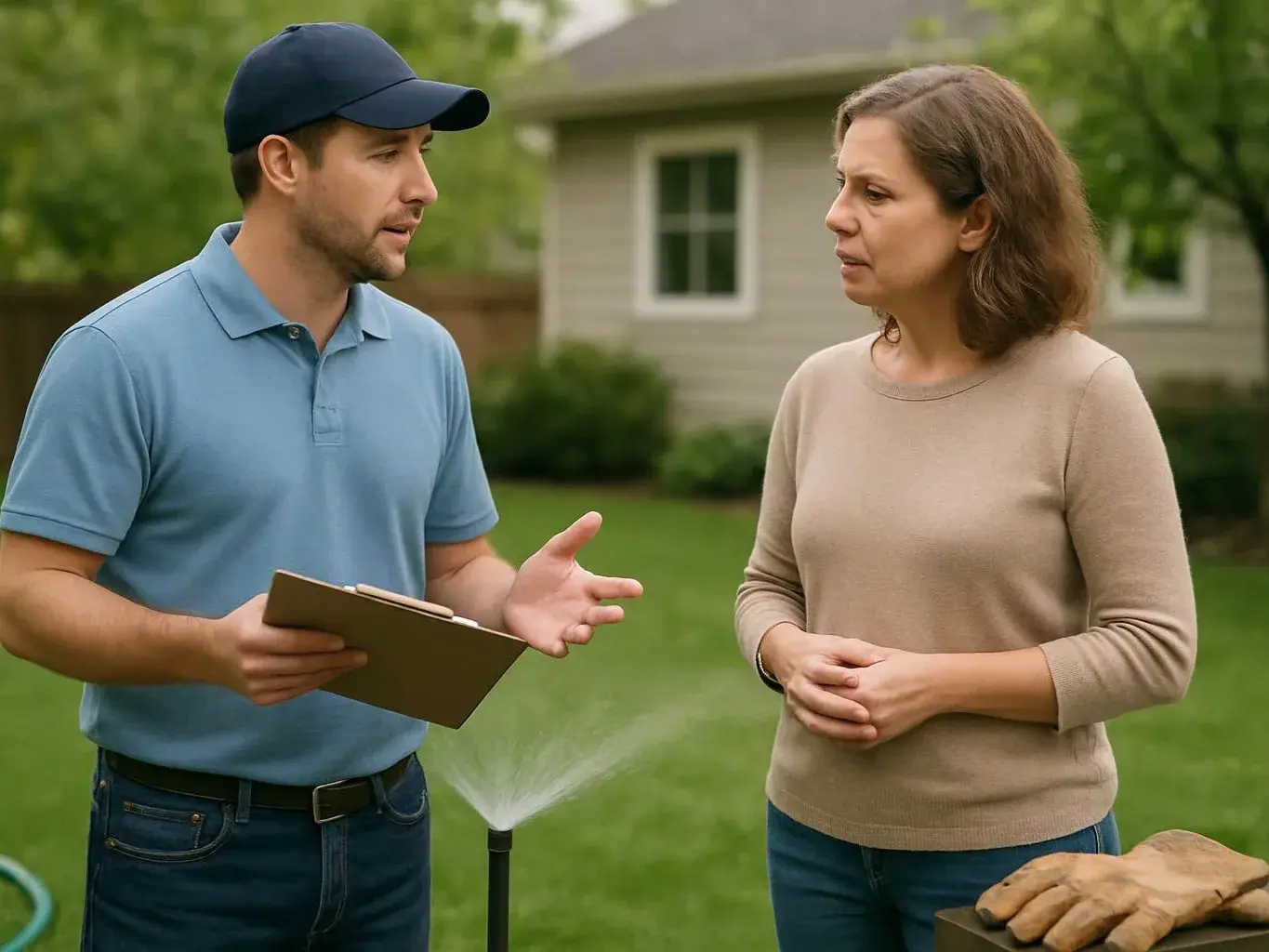
We discuss how you’ll use the patio, then inspect the slope, soil, drainage, access, and nearby structures.
We build paver patios that suit your home, outdoor use, and site conditions. Our landscape architecture training helps connect the patio with planting, drainage, and existing features.
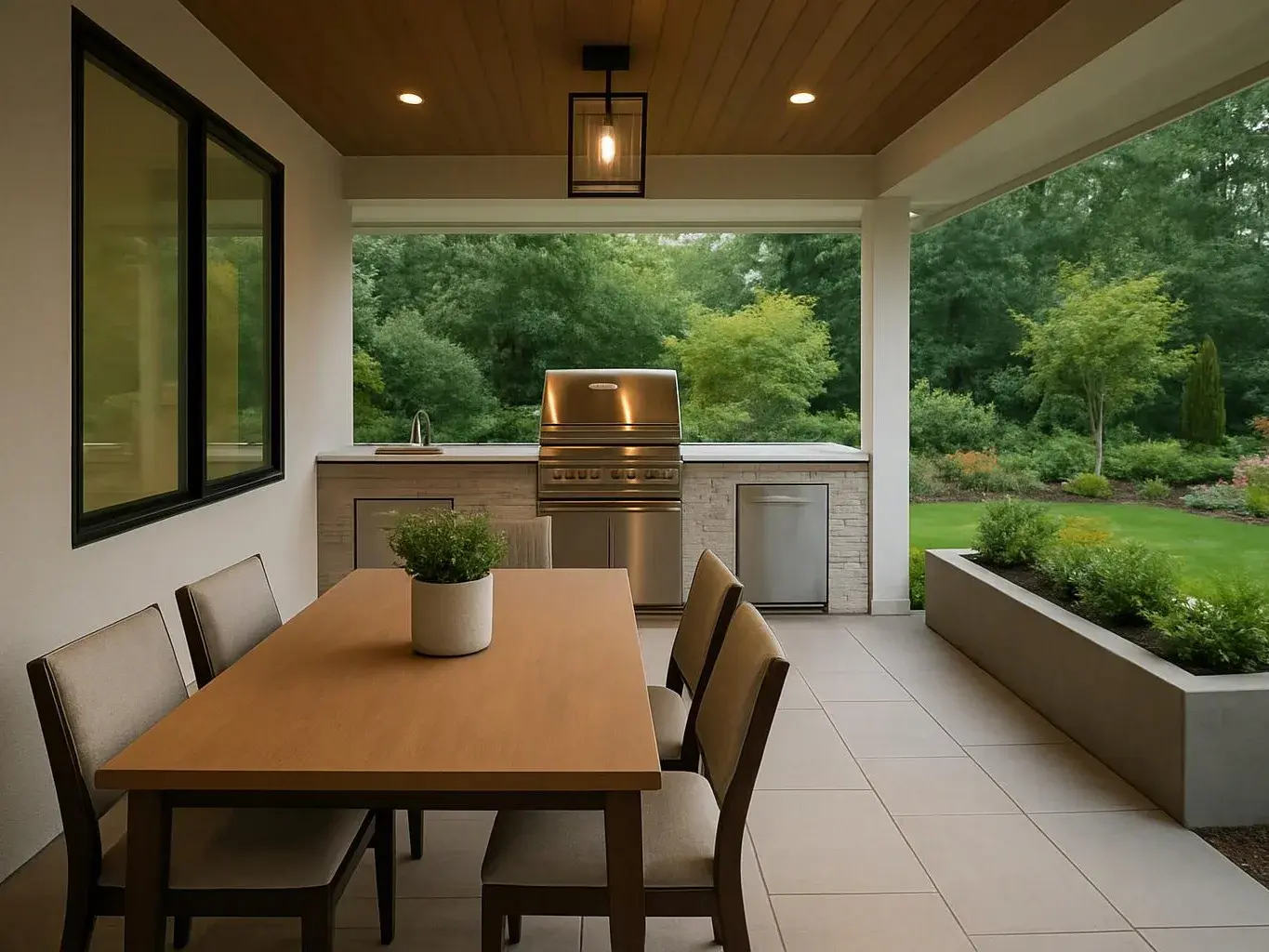
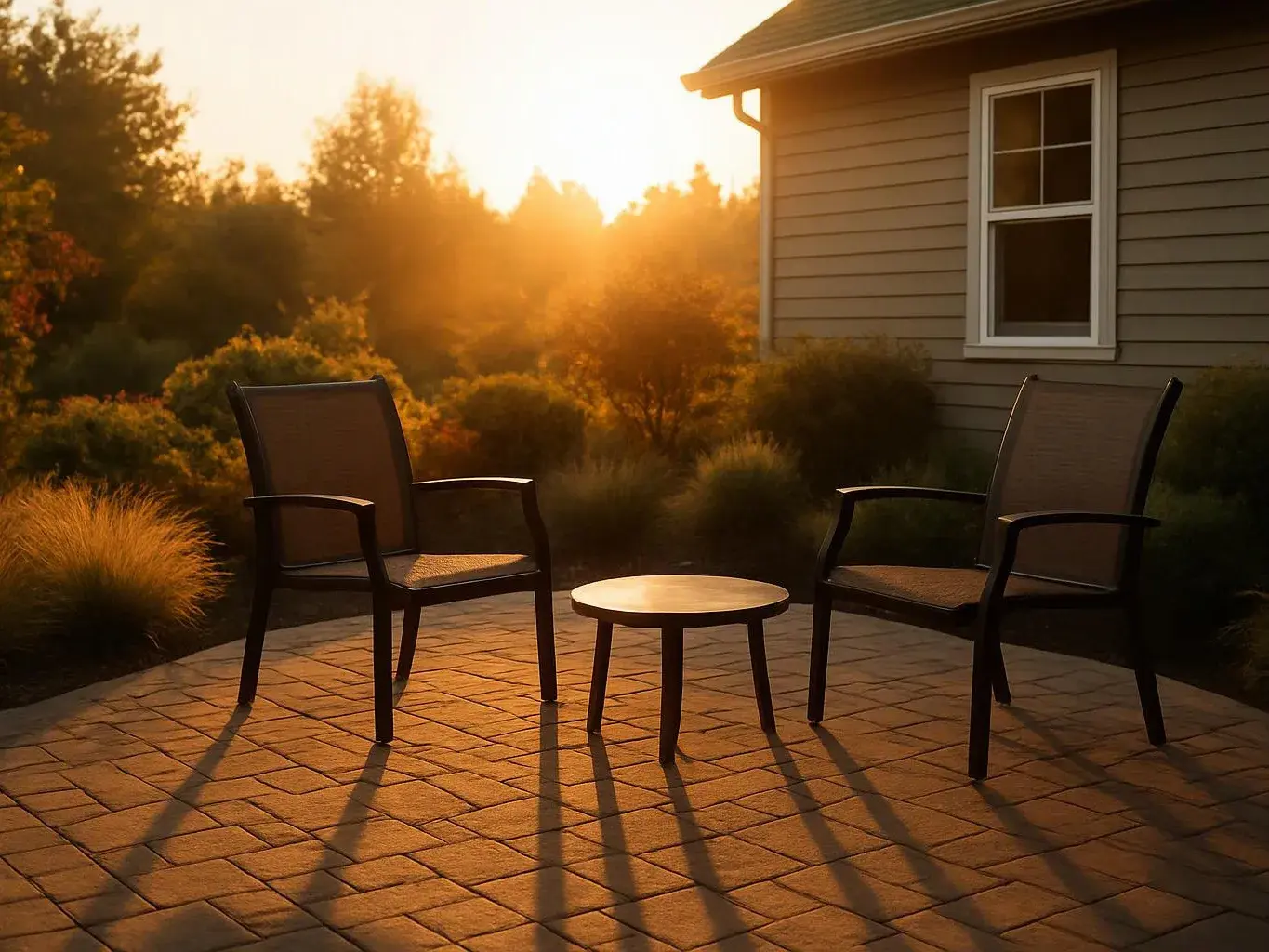
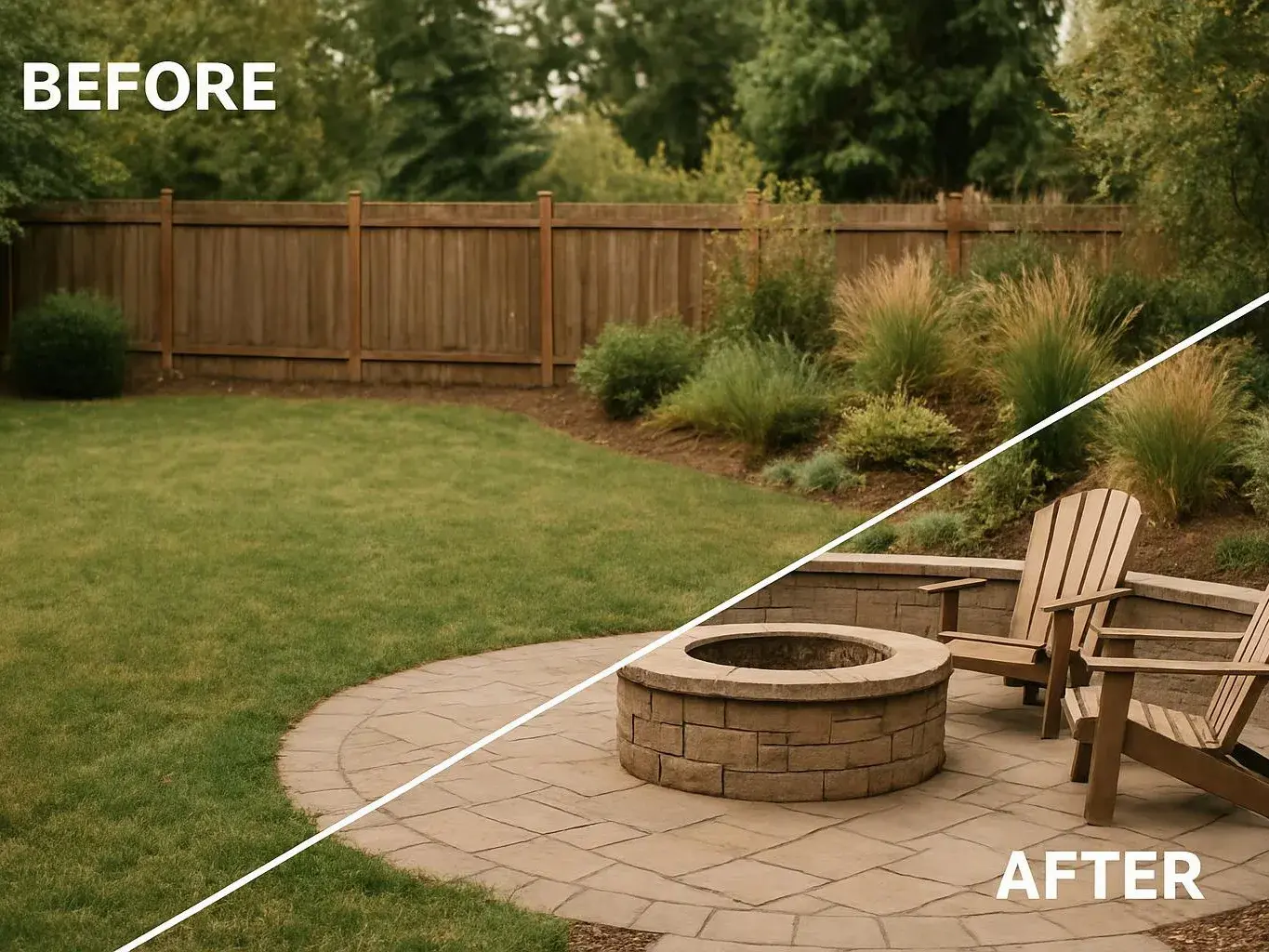
A paver patio gives your yard a defined outdoor area for dining, seating, and gatherings.
Individual pavers make future spot repairs possible when movement affects a limited area.
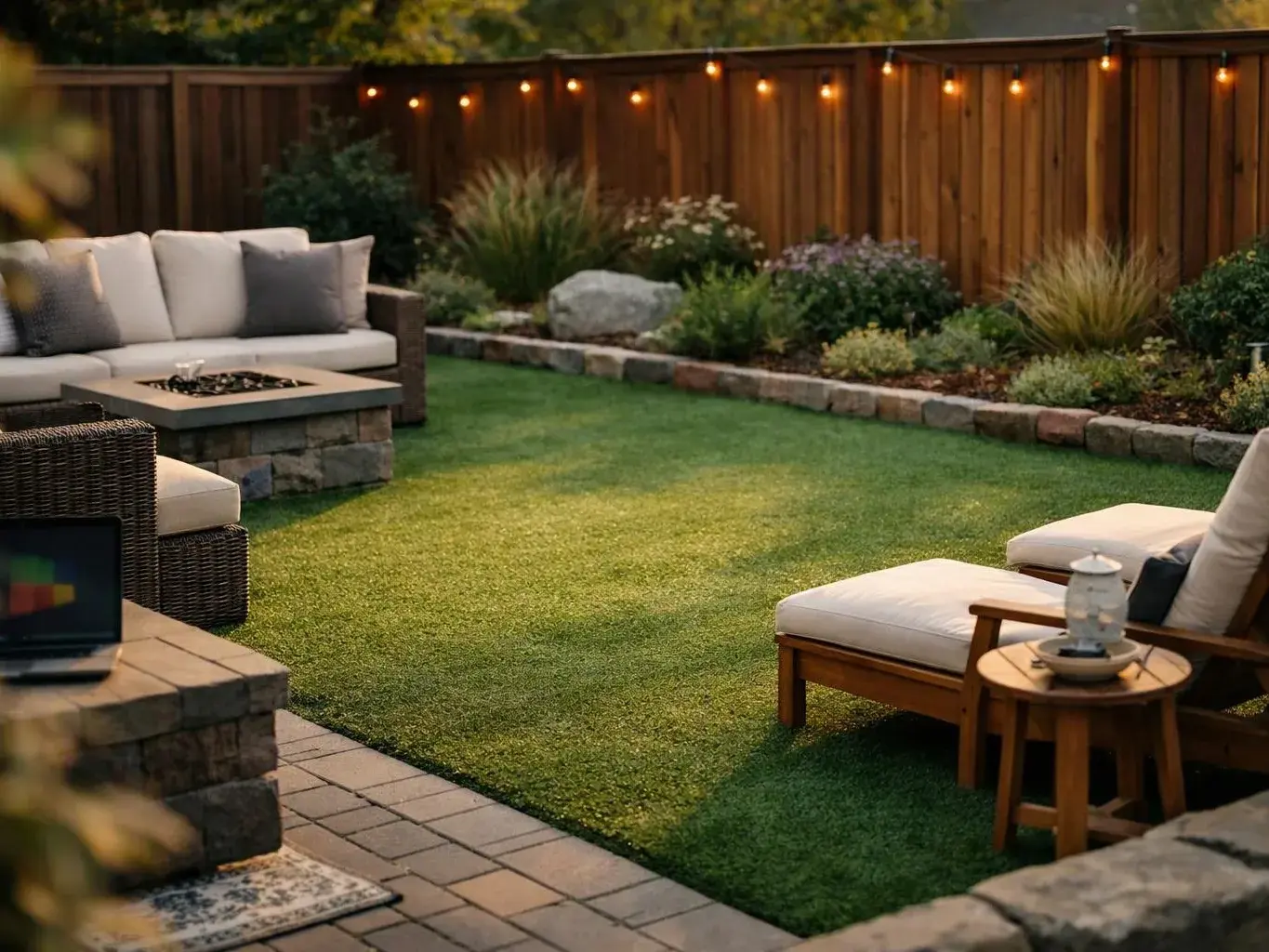
A planned layout helps the patio connect with walkways, planting beds, lighting, and existing home features.
Paver patio installation creates a planned outdoor surface for seating, meals, and everyday use. We shape the layout around the home, access points, planting beds, and other hardscape features. The work includes site review, excavation, base preparation, bedding material, paver placement, joint treatment, and edge restraint. The surface must shed water and support normal use without uneven movement. The main buyer decision is whether the existing site needs a new patio or correction work. Pavers can be lifted and reset in some cases, but widespread sinking often points to problems below the visible surface. Our position is simple: we investigate the failure mode before recommending replacement.
Paver Patio Installation is a hardscape service that creates an outdoor surface from individual pavers set over a prepared base.
We discuss how you’ll use the patio, then inspect the slope, soil, drainage, access, and nearby structures.
We develop the patio shape, levels, edges, joints, and connections to the home, walkways, planting, or other features.
We remove unsuitable material, shape the area, and place a stable base so the pavers have consistent support.
We set the pavers to the planned pattern, check the surface, and secure the perimeter against outward movement.
We review the finished grade, joints, transitions, and water path before providing maintenance guidance.
A few details help us assess the patio site and shape the right plan.
We use on-site consultations to review patio goals, soil, slope, drainage, access, and connections to the home.
We build patios with prepared bases, placed pavers, secure edges, checked grades, and maintenance guidance for the finished surface.

Adam and his team did a wonderful job on our backyard project- including adding a large paver area, building a pre-fab patio structure, a small retaining wall and various tree, shrub and flower plantings. Adam was incredibly helpful in giving ideas and vision to the project and addressing various changes along the way. We are very pleased with the results and would recommend Adam to others.

We now have a fabulous fenced garden where our local deer and elk cannot ravage. They created a beautiful patio and putting green next to the cedar river.

We love our new backyard! It went from a small patch of grass and gravel, to a beautiful entertaining space. Adam and his team were kind, on time and do amazing work. A great investment for our home.
Get a quote for a patio that gives your Maple Valley property a stable outdoor surface and a layout that fits nearby landscape features.
A planned patio area can collect water when the ground falls toward the home or lacks a clear drainage path. The finished grade must protect the house and move water away from the paved surface. We’ll review the slope, nearby downspouts, soil, and access before setting the layout, then explain which site changes belong in the plan.
Loose or uneven pavers often point to movement below the surface, not only a worn top layer. The repair depends on whether the affected area is small or the base has failed across the patio. We’ll inspect the joints, edges, and support beneath the pavers so you can compare targeted resetting with broader reconstruction.
A new patio needs to work with doors, planting beds, walkways, and the home’s existing character. A large paved area can also change how people move through the yard and where water travels. We’ll start with your intended use and site conditions, then develop a layout that leaves room for landscape features and maintenance access.