During project preparation, which weeds can lawn weed control address prior to on-site work?
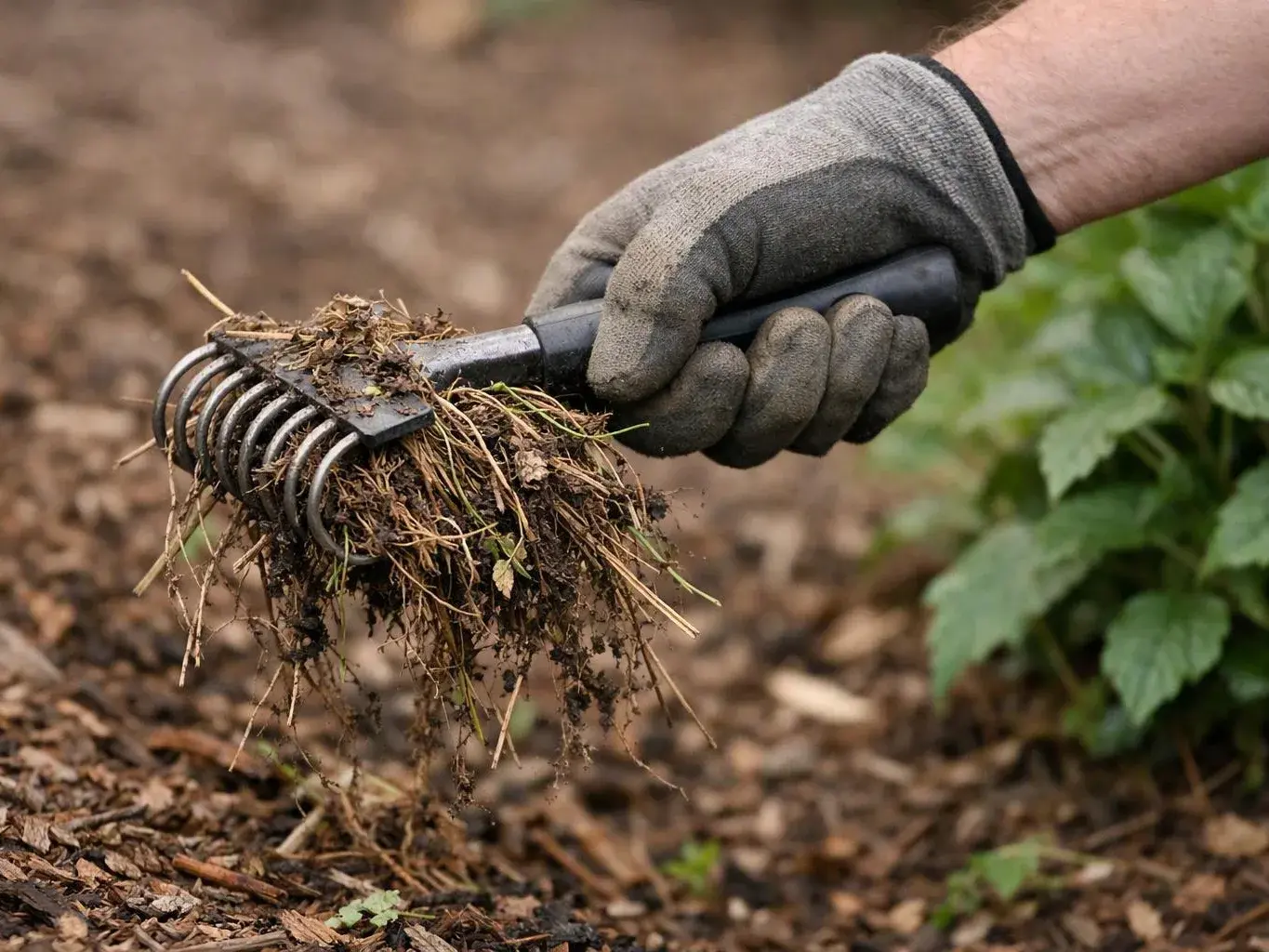
Crabgrass, dandelions, clover, nutsedge, and broadleaf weeds are appropriate targets for lawn weed control. The work starts by identifying where each weed grows and whether it sits in turf or near desirable plants. That distinction helps set a safe scope for the lawn and shows when a broader planting or landscape service is needed.
How do I know whether weed control fits my property?
The lawn's weed pattern shows whether focused weed control fits the property. Scattered growth in turf may need lawn care, while weed growth tied to poor drainage, planting changes, or damaged lawn may need a wider review. We inspect the affected areas and explain which service matches the condition before preparing a quote.
What part of the property changes the work scope?
The affected lawn area changes the work scope most directly. Turf condition, bed edges, soil, slope, drainage, access, and nearby plants also matter. Customers with weeds across both lawn and planting beds should describe each area separately. That information helps us decide whether the request is focused lawn care or part of a larger landscape plan.
How does weed growth affect a larger landscape plan?
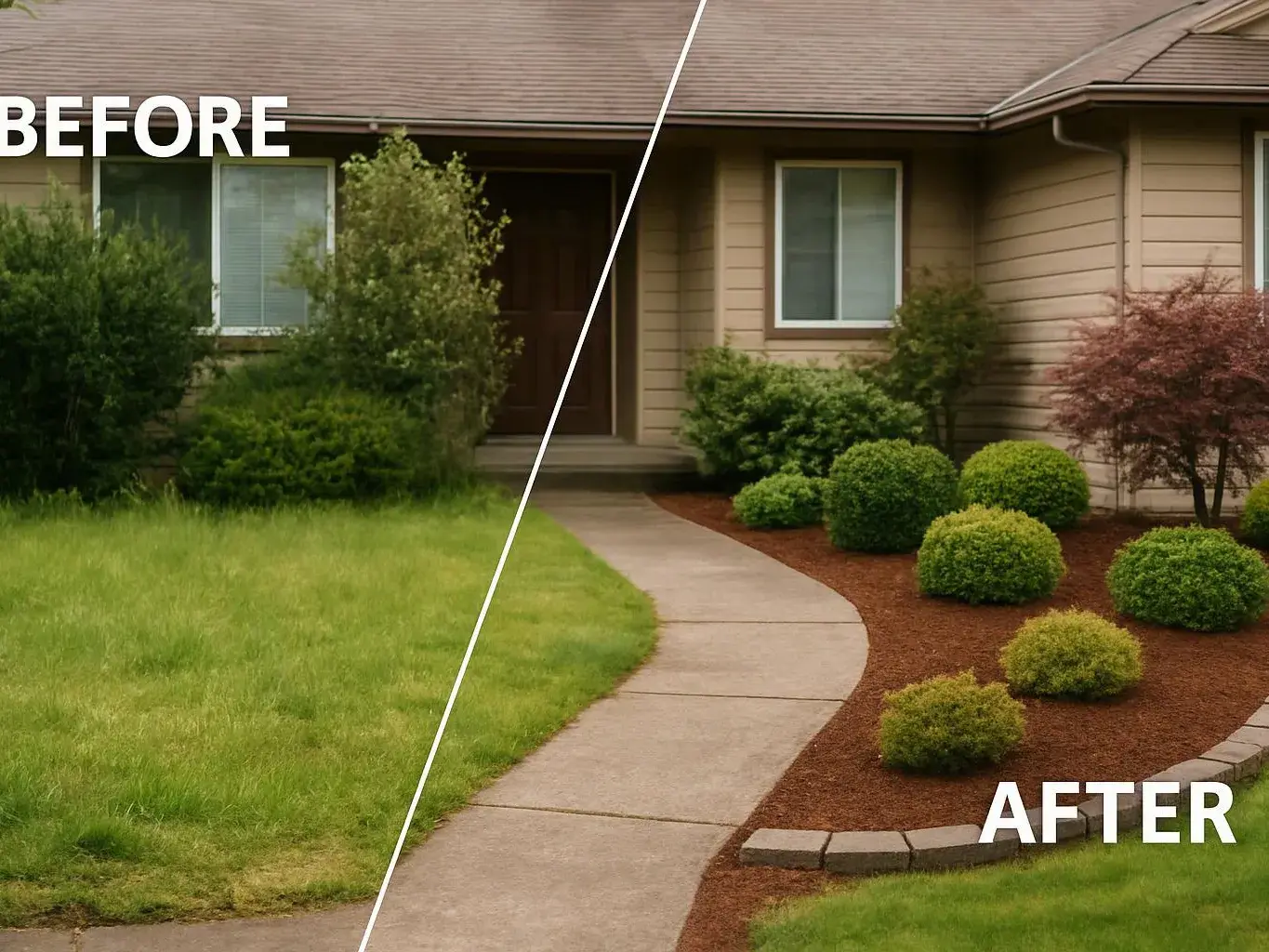
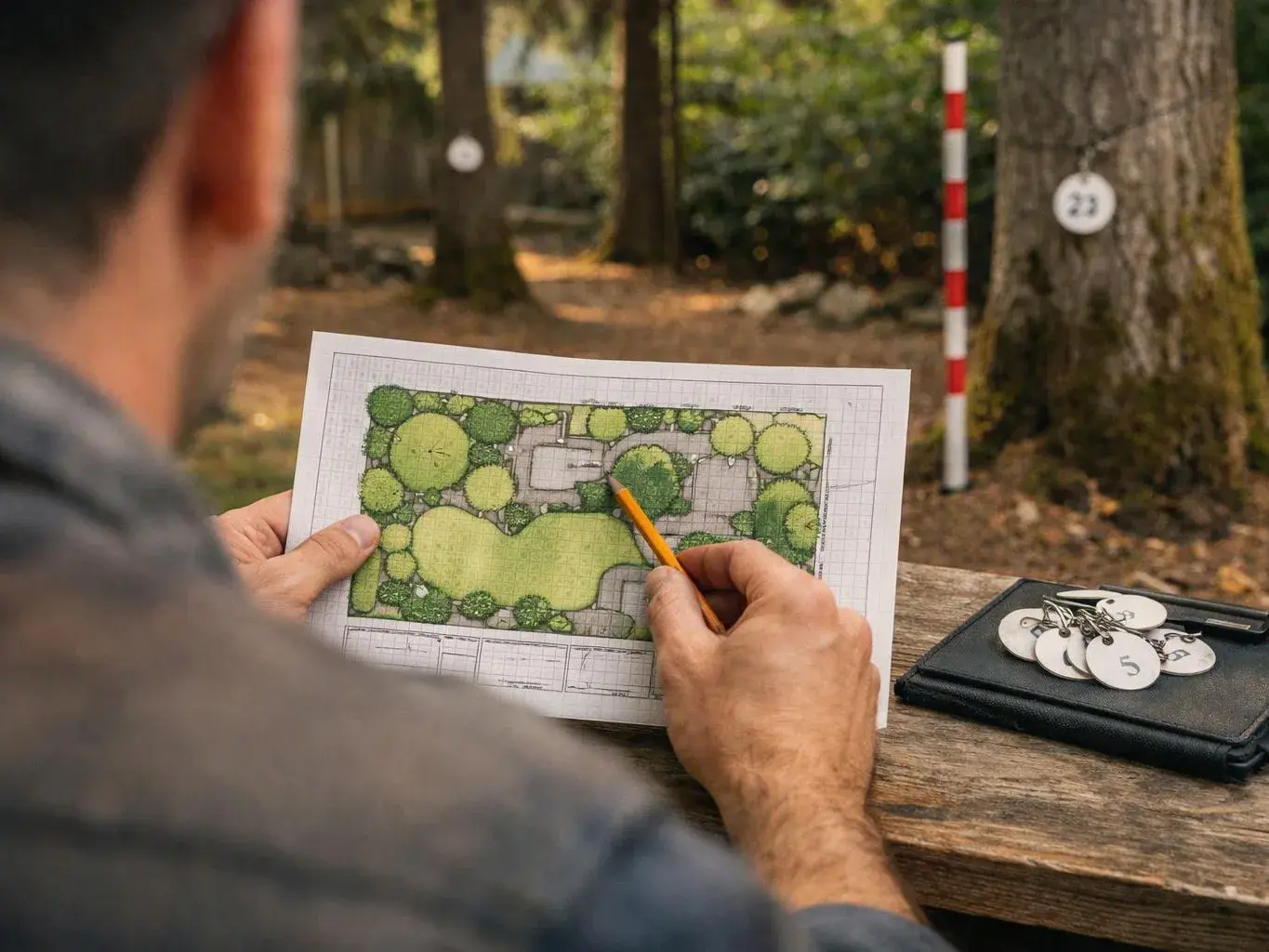
Weed growth can show that a property needs both lawn care and landscape planning. Soil, drainage, turf condition, and planting-bed layout may all shape the next step. Our design-to-build work connects weed control with planting, lawn installation, patios, walkways, retaining walls, and lighting when those services fit the property.
Which landscape details should I share before requesting a quote?
Photos, the affected lawn areas, nearby planting beds, and your maintenance goal give us useful starting information. Note whether weeds appear in turf, gravel, mulch, or planting soil. You can also describe drainage concerns or recent landscape changes. We use those details to focus the assessment and explain the likely work scope.
Why might regular maintenance still matter after weed control?
Regular maintenance matters because new weed growth can return after the initial work. Mowing, bed care, soil conditions, drainage, and the health of desirable plants all affect ongoing upkeep. We include detailed maintenance guidance with our landscape work, so customers can plan care around the condition and design of the property.
What does the landscape design background add to weed control?
Landscape design experience helps connect weed control with the property's full layout. We consider lawn installation, planting, soil, drainage, hardscape, and maintenance goals together. That view is useful when weeds point to a larger change, but focused weed control remains the better fit when the problem stays within the lawn.