Skip to content

Yard Drainage City Of Sammamish Washington

Filter fabric must separate soil from drainage stone in City of Sammamish systems. We use it where the design calls for clean water flow and stable trench layers.

5 · 36 Reviews29 Years in BusinessUpfront, Transparent PricingServing 89 Communities

Quick Summary: yard drainage in City of Sammamish, Washington

Yard Drainage in City of Sammamish is provided by LandscaperMaplevalleywa.com for homeowners who need drainage materials selected and installed as part of a coordinated landscape project. The work covers site review, pipe, gravel, catch basins, and related landscape construction, with coverage across King County and the Eastside.

  • What we do: LandscaperMaplevalleywa.com provides Yard Drainage for City of Sammamish, Washington properties through site review, drainage materials, and coordinated landscape construction.
  • What is included: We assess drainage paths, place drainage gravel, install perforated or solid pipe, and connect catch basins where the design requires them.
  • What you get: The finished drainage system moves water to its planned outlet and protects the surrounding yard from recurring saturation.

Why does yard water keep returning after rain in City of Sammamish, Washington?

Recurring yard water often points to an incomplete drainage path, blocked pipe, poor outlet, or soil that holds water. A site review checks where water starts, how it travels, and where it should go. The right repair might involve a new drain line, a catch basin, grading, or a related landscape repair.
Our Track Record

Years in Business
29
Average Rating
5
Customer Reviews
36

Yard Drainage for City of Sammamish Properties

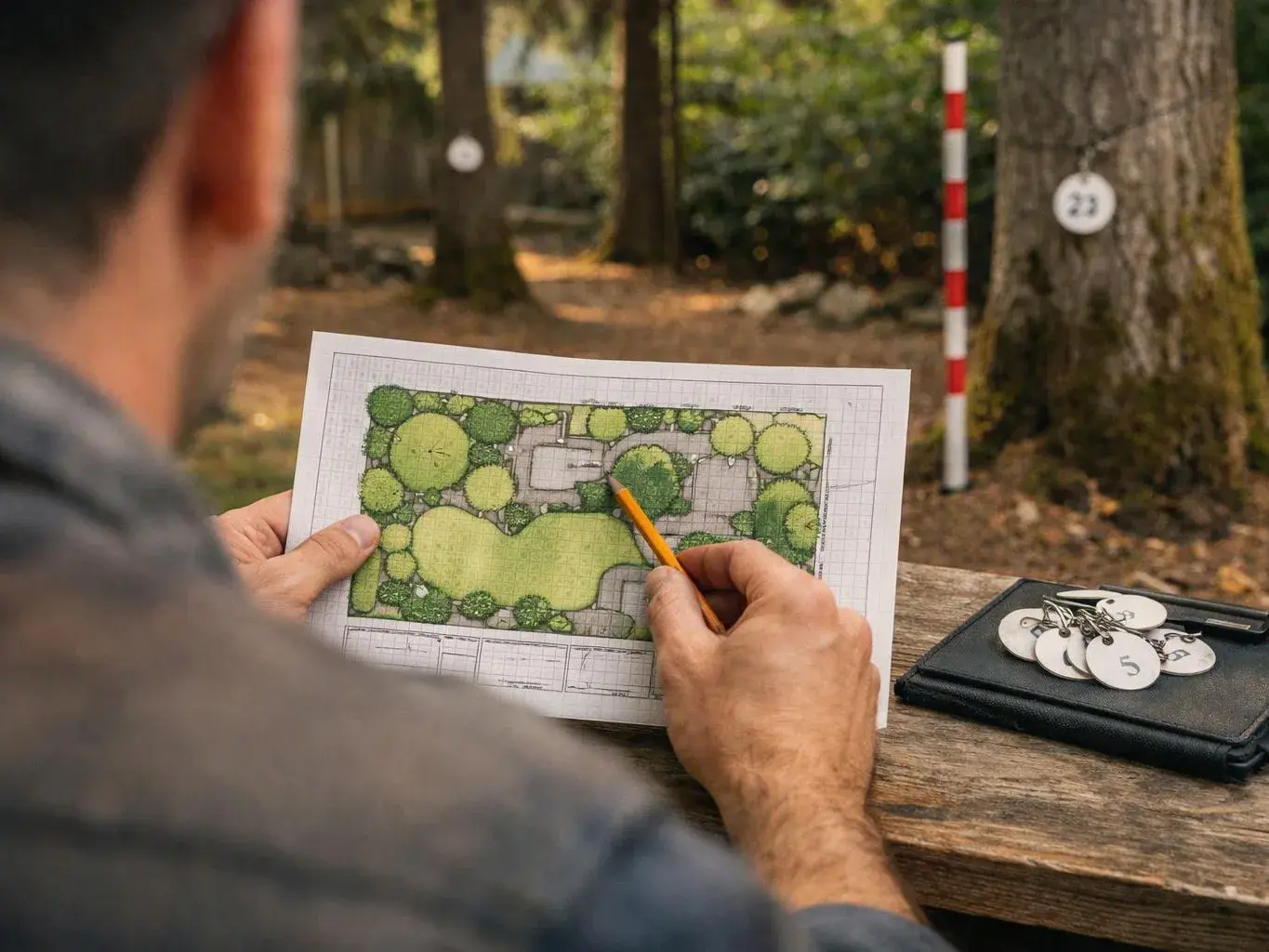
This service focuses on the parts of a yard that collect or redirect water. We assess soil, slope, drainage paths, hardscape edges, and nearby planting areas before deciding which materials fit the site.

The buyer's key decision is whether the problem needs a drainage system or a different landscape service. Water entering from a roof, damaged irrigation line, failed retaining wall, or broader grading issue may need related work before a drain installation makes sense.

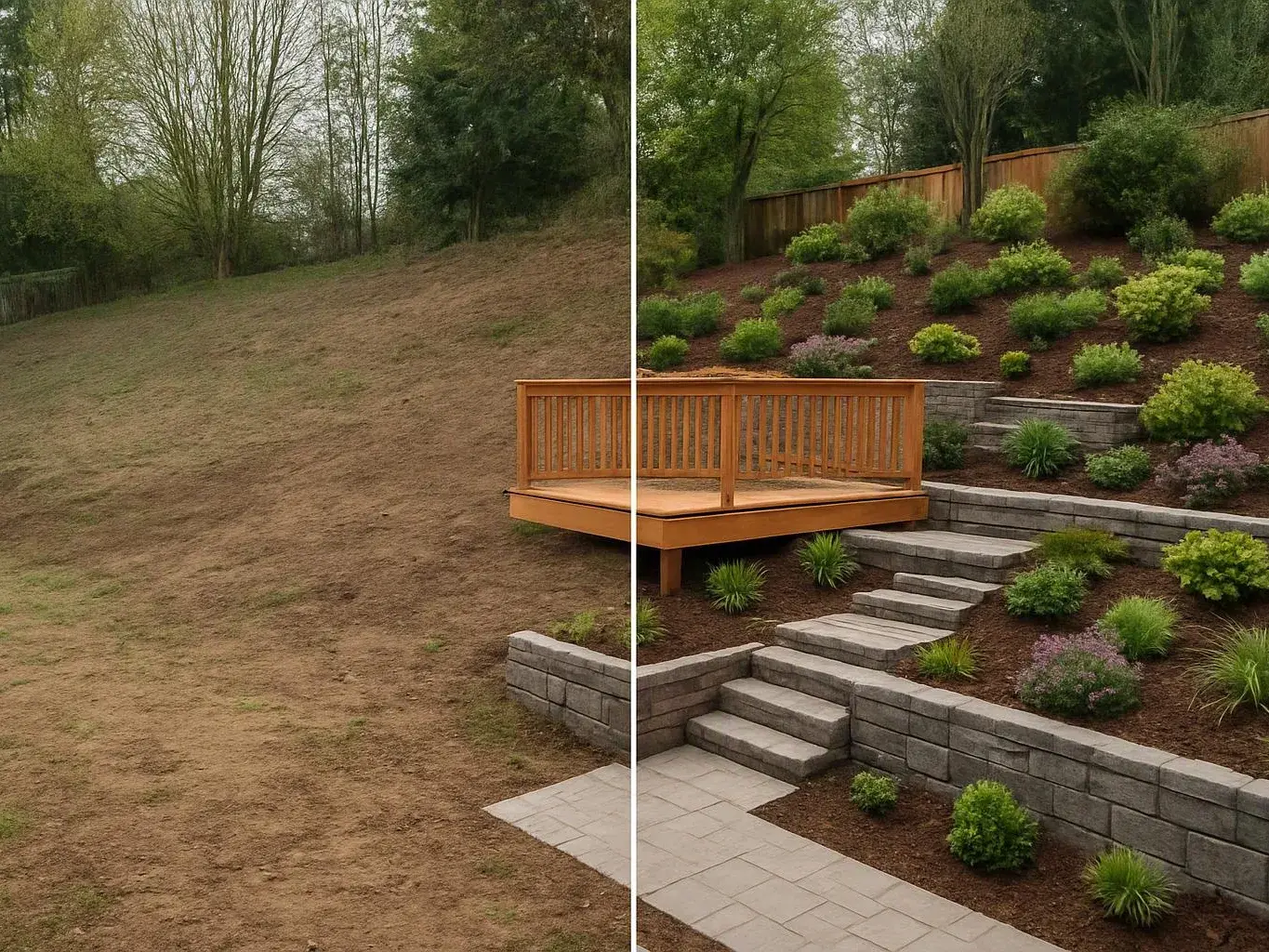
Our design-to-build process connects drainage with patios, walkways, planting, retaining walls, and lawn installation when those features affect the site. That coordination matters because a drain should work with the finished landscape, not sit apart from it.

  • Trace where water begins and where it collects.
  • Check soil, slope, hardscape edges, and existing drainage paths.
  • Match pipe, gravel, basins, and outlets to the site plan.
  • Decide whether drainage work or a related landscape repair fits the problem.
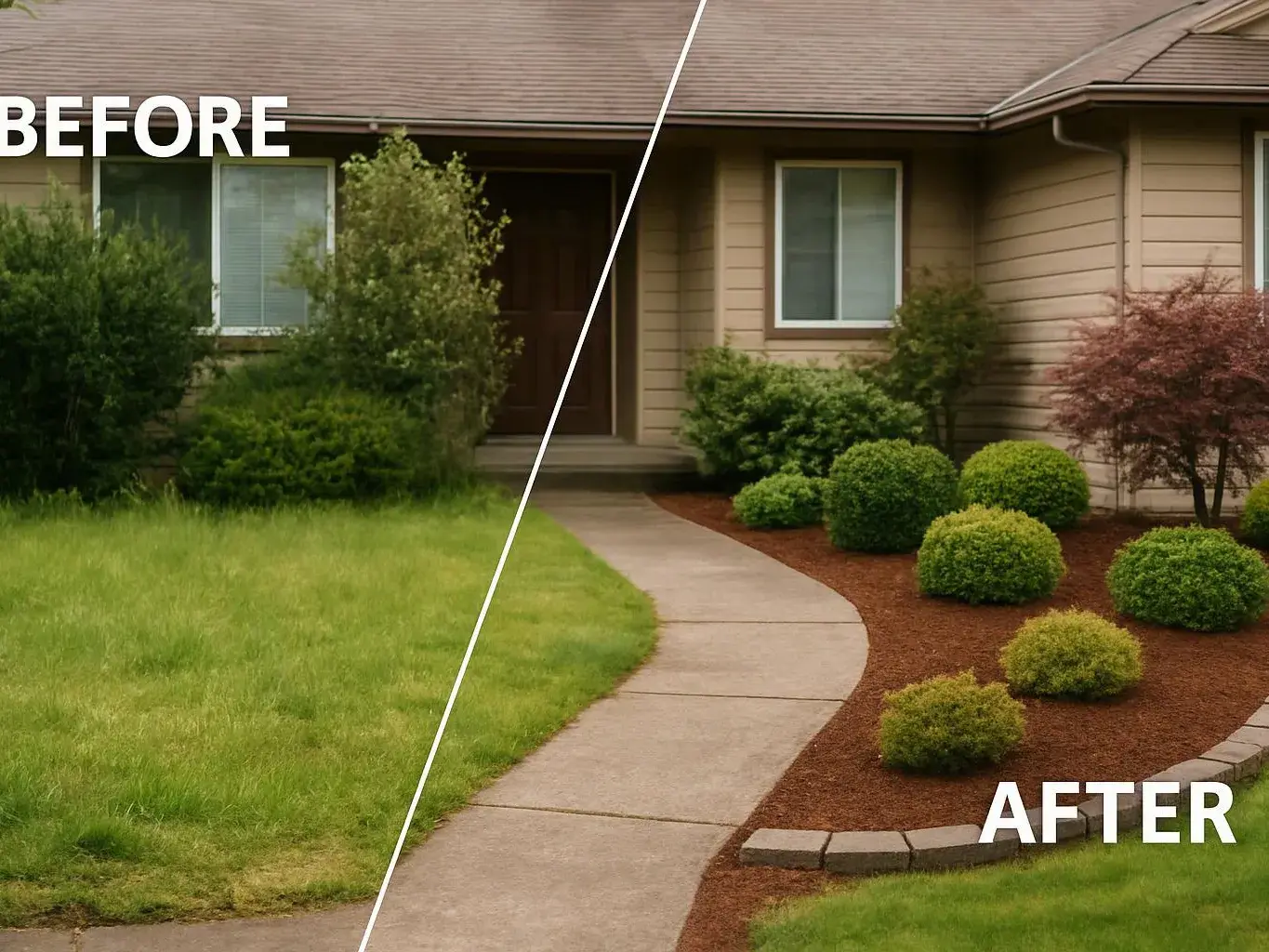
Split view of a house front yard before and after landscaping, with a curved walkway, trimmed shrubs, and lawn

Service Overview

Yard drainage is a site system that collects, carries, and releases unwanted water through planned paths.

  • Drainage work moves water away from problem areas, while grading changes the ground shape and planting work changes how the finished yard is used.
  • We provide yard drainage for City of Sammamish properties as part of residential landscape design and construction.

What This Yard Drainage Work Includes

LandscaperMaplevalleywa.com provides comprehensive Yard Drainage in City of Sammamish. Here's what you get:

  • We review the property conditions that affect water flow, including soil, slope, and existing landscape features.
  • We select drainage materials that suit the planned collection and discharge path.
  • We install perforated pipe where water must enter the line through the surrounding soil.
  • We use solid pipe where collected water needs a closed path to its outlet.
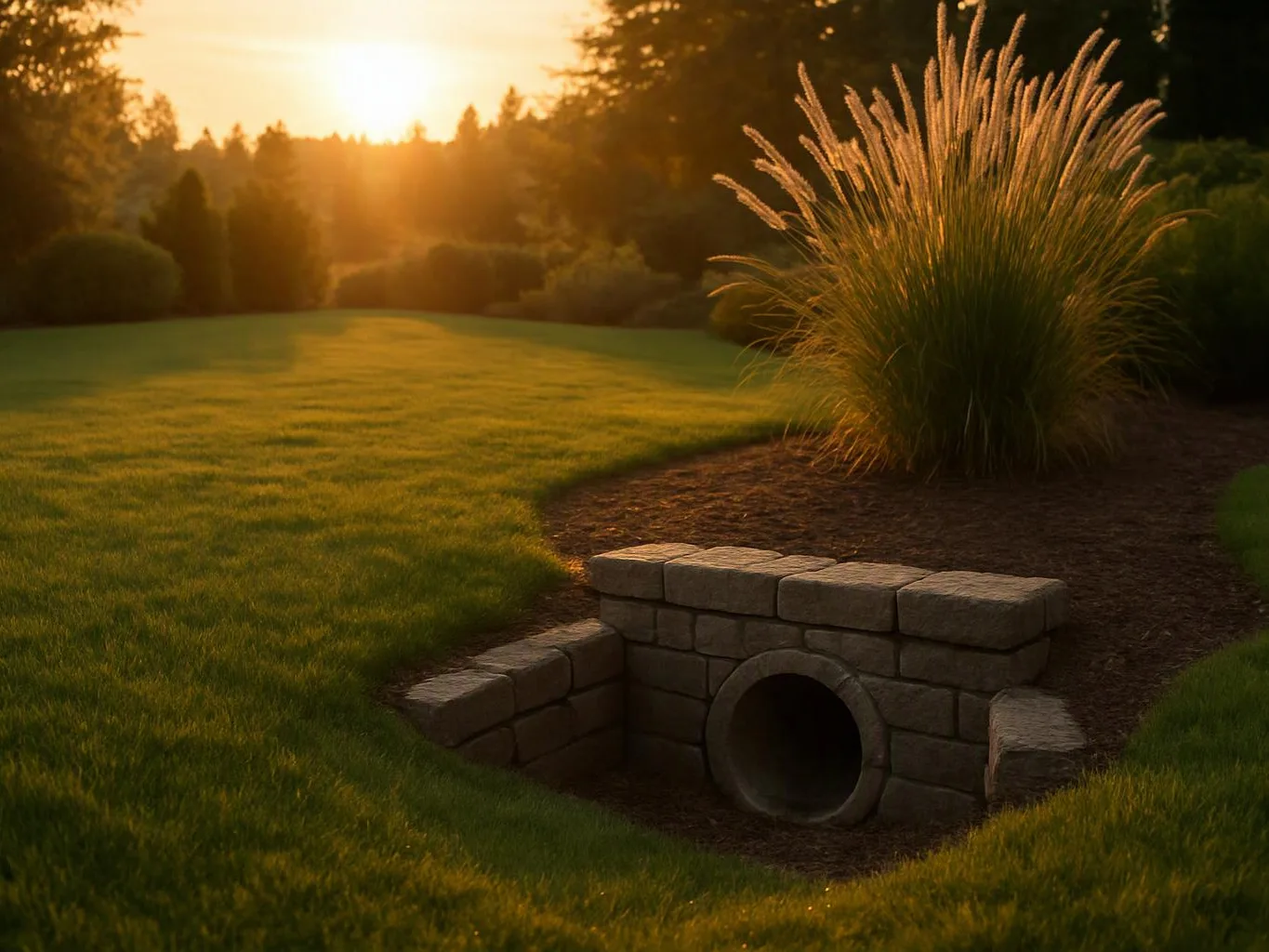
  • We add catch basins where surface water needs a defined collection point.
  • We coordinate drainage construction with planting, lawn, patios, walkways, and retaining walls when they share the work area.
Process

Steps for Building the Drainage System

1

Trace the water path

We inspect the affected area, soil, slope, paving, planting, walls, and existing drainage features to understand the source and movement of water.

2

Set the collection points

We decide where surface water or subsurface water should enter the system, then place basins or perforated lines as the plan requires.

3

Build the stone and pipe trench

We place drainage gravel and the selected pipe in the planned trench, using separation layers where the design calls for them.

4

Connect the discharge route

We use solid pipe to carry collected water toward the planned outlet and review how that route meets the surrounding landscape.

5

Coordinate the finished landscape

We complete the affected planting, lawn, paving, wall, or other landscape work that belongs in the same project scope.

How to Choose the Right Drainage Scope

Match the system to the water source

The source and path of the water decide whether a drain line, basin, grading change, or related repair fits best. Our team reviews those conditions before setting the work scope.

Coordinate drainage with landscape design

Drainage affects planting beds, lawns, walls, and paved areas. A coordinated design keeps those elements working together through construction.

Know when drainage is the wrong job

A leaking irrigation line, failing wall, or water problem outside the landscape may need another repair first. Yard drainage alone isn't the right fix when the source remains active.

What Better Yard Drainage Changes

A planned outlet gives collected water a defined destination.

Separated soil and gravel help keep drainage paths open where the design calls for that layer.

Catch basins reduce scattered surface flow at selected collection points.

Drainage planning helps protect new planting, lawns, walkways, and patio areas from avoidable water buildup.

Clear material choices make the proposed work easier to review before construction begins.

Drainage Parts and Their Jobs

Each part handles a different stage of collecting or moving water.

Drainage partMain jobWhere it fits
Perforated pipeCollects water along the buried routeUsed where surrounding soil must drain into the line
Catch basinCollects surface waterUsed at planned low points or surface flow paths
Solid pipeCarries collected waterUsed between collection points and the planned outlet
Drainage gravelSupports open water flow around the pipePlaced around the collection section of the trench

Our Standard

  • Professional Consultation Access
  • On-Site Consultation
  • Conscious Design Practices
  • Coordinated Project Services

Customer Reviews for Yard Drainage in City of Sammamish

5(36 Customer Reviews)View our Google Business Profile
Shelly Siegfried
Shelly Siegfried
Local Guide7 months ago
Verified on Google
Adam's crew just finished my front and back yard makeover and I could not be more pleased with how it turned out. From start to finish, everything went smoothly and now I have a yard that I can be proud of. Thank you Adam, Alex and crew!!
Bryan Tomich
Bryan Tomich
9 months ago
Verified on Google
Adam has done landscaping jobs on our property, and we couldn’t be happier with the results. We managed to turn our backyard into a mini park, and the expense was more than reasonable. We also changed our high maintenance front yard into a low maintenance clean look that doesn’t demand weekly attention. When you get to the time of picking plants, Adam will meet you at the nursery and he’ll give you excellent advice as to what plants are best suited for your layout and expected results, and your plants are guaranteed for one year, so if some don’t take, he’ll replace them with new ones. Both jobs added value and usability to our place, and now we’re able to enjoy our yard year round
Jason Fiorito
Jason Fiorito
9 months ago
Verified on Google
I had a great experience with Adam Gorski Landscapes. I'm not big on writing reviews, but this company deserves one! From design to build, the process was flawless. Adam and his team exceeded expectations at every turn. We were honest about our budget, and there was no pressure to go over. That was big for us, and something we didn't find with other companies. Equally important was timing and professionalism. They showed up when they said they would, left the site organized and presentable every day, and finished on time and on budget. The work done was amazing, we get compliments on it over and over! I would recommend Adam and his team to friends and family. If you read this and engage with him, you won't be disappointed.

Questions About Yard Drainage Materials and Work

When planning ahead, what materials are used for yard drainage systems on a standard service call?

Filter fabric separates soil from drainage gravel when the system needs a clean, stable trench layer. Perforated pipe collects water, catch basins collect surface flow, and solid pipe carries collected water to an outlet. The site conditions decide which parts belong in the system. We select materials after reviewing soil, slope, access, and the planned landscape.

How do you decide between perforated pipe and solid pipe?

Perforated pipe collects water along its buried route, while solid pipe carries water through a closed route. The collection need decides which pipe belongs in each section. A system may use both materials because water can enter through one section and travel through another. The outlet and surrounding soil also shape the pipe layout.

Which part of the job changes the quote most for Yard Drainage?

Access, trench length, soil conditions, outlet work, and related landscape repairs shape the quote. A short accessible route has a different scope from work that crosses paving, planting, or a retaining wall area. The quote should identify the materials, excavation, connections, restoration, and any linked construction so you can review the work clearly.

When is a catch basin useful in a wet yard?

A catch basin is useful where surface water gathers at a planned low point. The basin gives runoff a defined entry into the drainage line instead of leaving water spread across the yard. We review the surrounding grade, paving, planting, and outlet before placing one. A basin won't correct an active pipe leak or every grading problem.

Why can a new drain still leave part of the yard wet?

A drain can leave wet soil when the water source, collection area, or outlet remains outside the system. Blocked pipe, poor discharge, irrigation leaks, and broad grading issues can also keep water in place. We trace the full path instead of judging one low spot alone. The next scope may include drainage, grading, irrigation repair, or wall work.

What should I prepare before a drainage assessment?

Photos of the wet area, notes about when water appears, and existing landscape plans help prepare for an assessment. Mark the locations of walkways, walls, planting beds, irrigation, and visible outlets if you can. Those details help frame the site review. Avoid disturbing buried utilities or opening drainage lines before the visit.
Contact

Request a Yard Drainage Quote in City of Sammamish

Send the affected area, photos, and any existing landscape plans to request a yard drainage quote. We’ll discuss the site assessment, material scope, and related landscape work before construction.

(425) 587-8011