
What Is A Berm?
A berm is a raised strip or mound of soil that changes water flow, adds height, or separates areas in a landscape. Land grading uses berms to guide runoff away from structures, shape a yard, create planting space, or add visual screening. Proper grading and compaction help the berm keep its intended form.
Quick Facts About Berm
Category
Land grading feature
Used for
Drainage, screening, and landscape shaping
Common confusion
A berm is not a vertical retaining wall
Also called
Landscape Berm, Earth berm
Often discussed with
Land Grading, Yard Drainage
Key Takeaways About Berm
- A berm has sloped sides and a raised center.
- Its shape controls water movement across the ground.
- A berm isn't the same as a retaining wall.
How Berm Works
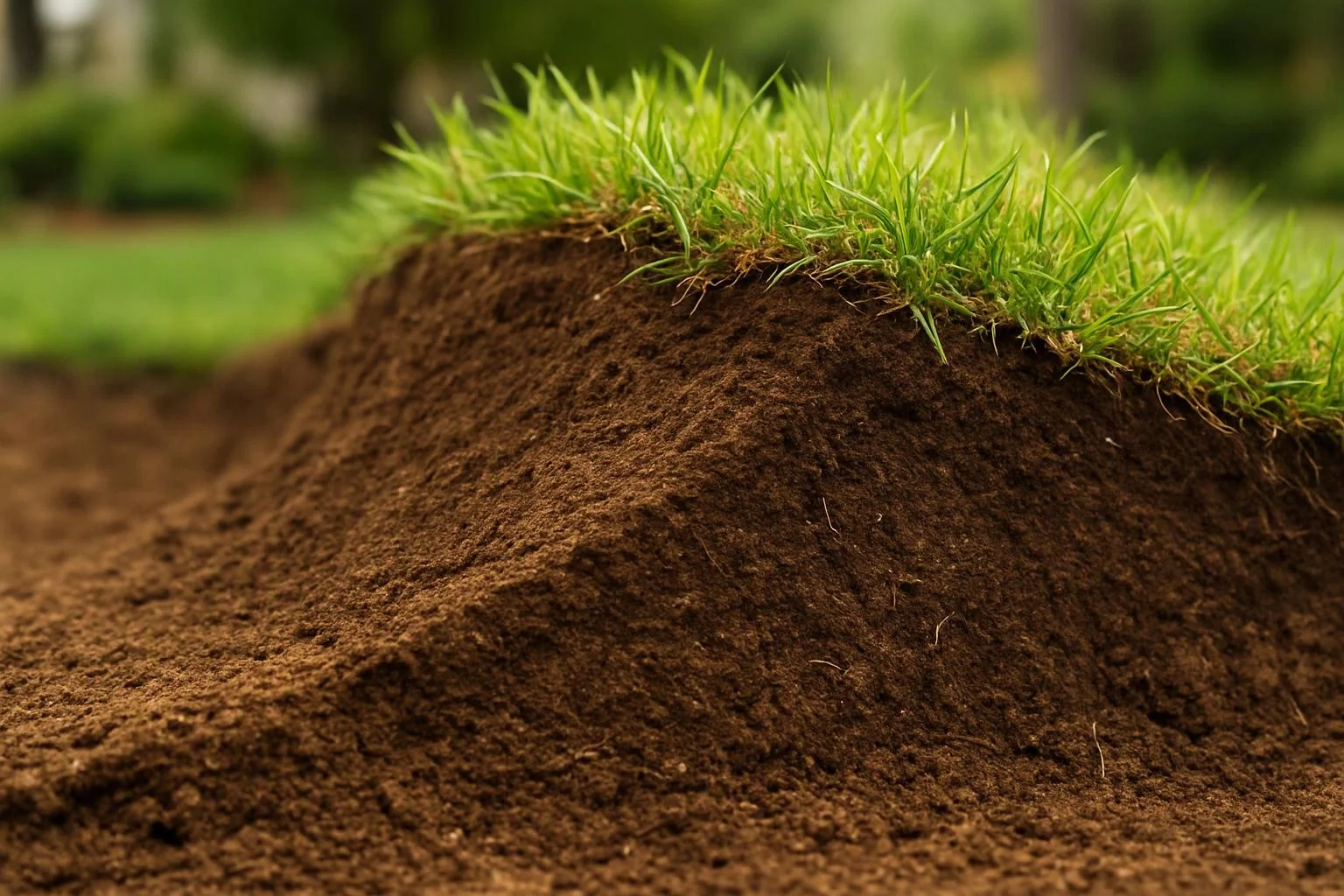
A berm works by placing and shaping soil to create a raised landform. Sloped sides spread the change in elevation across the yard. The top may guide surface water toward a drain, swale, or lower part of the property.
Related glossary terms: Landscape Fabric, Drainage Swale, Retaining Wall Cap.
Land grading plans set the berm's position, height, width, and slope. Soil is placed in layers and compacted so the form stays stable. Grass, ground cover, mulch, or other plants can protect the surface from erosion.
A berm may also frame a planting bed or block views. A drainage swale can work with the berm by carrying water along a planned route. A retaining wall uses a structure to hold soil in place, while a berm relies mainly on its soil shape and gentle slopes.
Expert Note
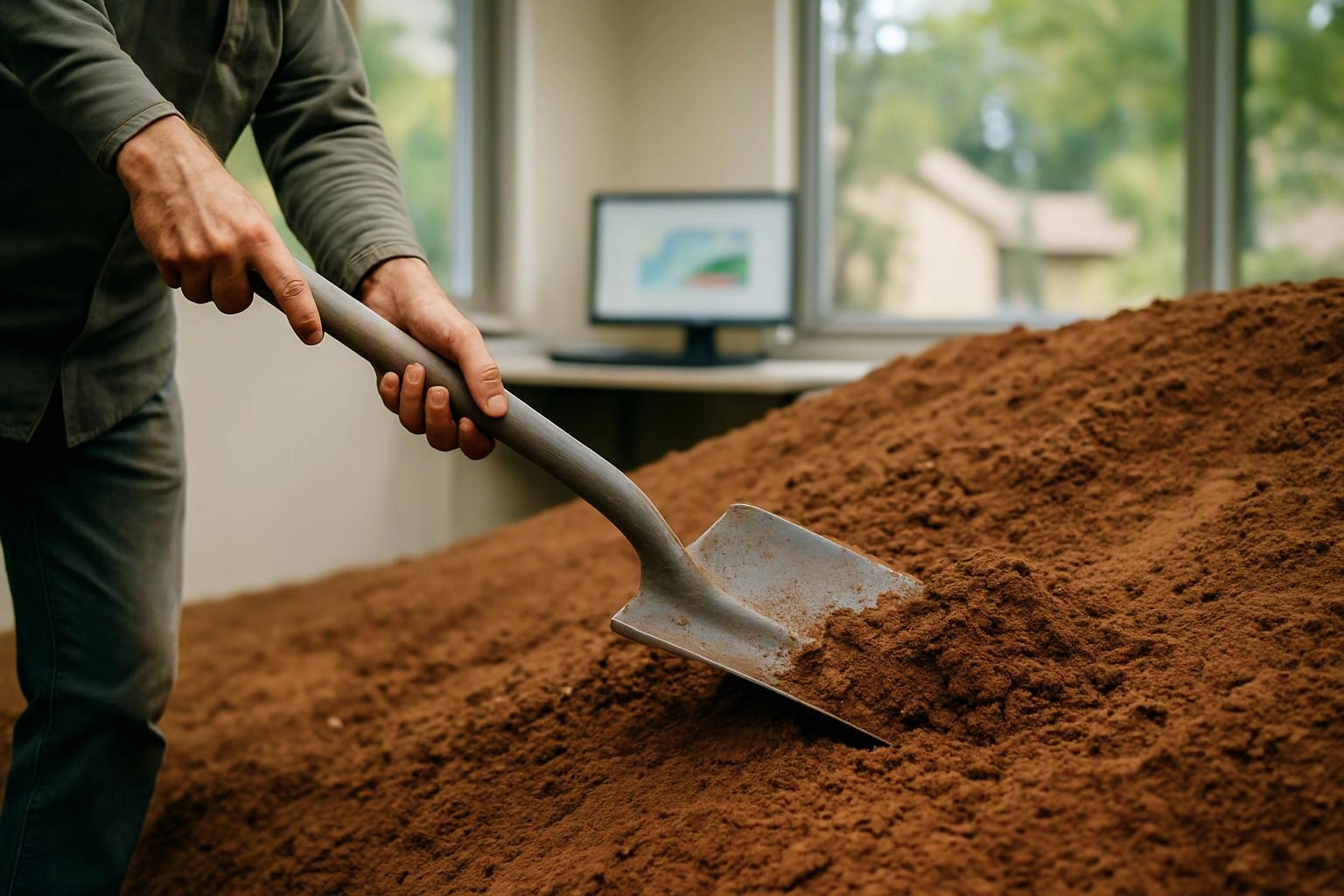
When we plan a berm, we check the existing grades and trace where surface water will move. Our team also checks soil placement, slope transitions, and nearby structures. We shape the berm so mowing, planting, and drainage work together on the finished site.
Berm in Practice: A Real-World Example
A sloped Maple Valley yard may need a berm along its upper edge to direct runoff toward a planned drainage path. The graded soil can also create a defined planting area beside the lawn.
Related Services
Related Terms
Landscape Fabric
Landscape Fabric is a porous sheet placed over soil to limit weed growth while allowing water…
Drainage Swale
A drainage swale is a shallow, gently sloped channel that guides stormwater across a landscape. The…
Retaining Wall Cap
A retaining wall cap is a finishing piece placed along the top course of a retaining…
Soil Amendment
A Soil Amendment is a material mixed into existing soil to improve its structure, drainage, moisture…
LandscaperMaplevalleywa.com
Have Questions About Berm?
Contact LandscaperMaplevalleywa.com for practical guidance on Berm and related landscape architect company work in Maple Valley.