A Checklist for Overseeding a Thin or Patchy Lawn
A lawn overseeding checklist starts with mowing, soil preparation, and removing thatch before seed touches the ground. At LandscaperMaplevalleywa.com, we check lawn conditions, match the process to the bare patches, and help keep new seed moist after application.
Written by Adam Gorski · 29 years of local experience
Request an Estimate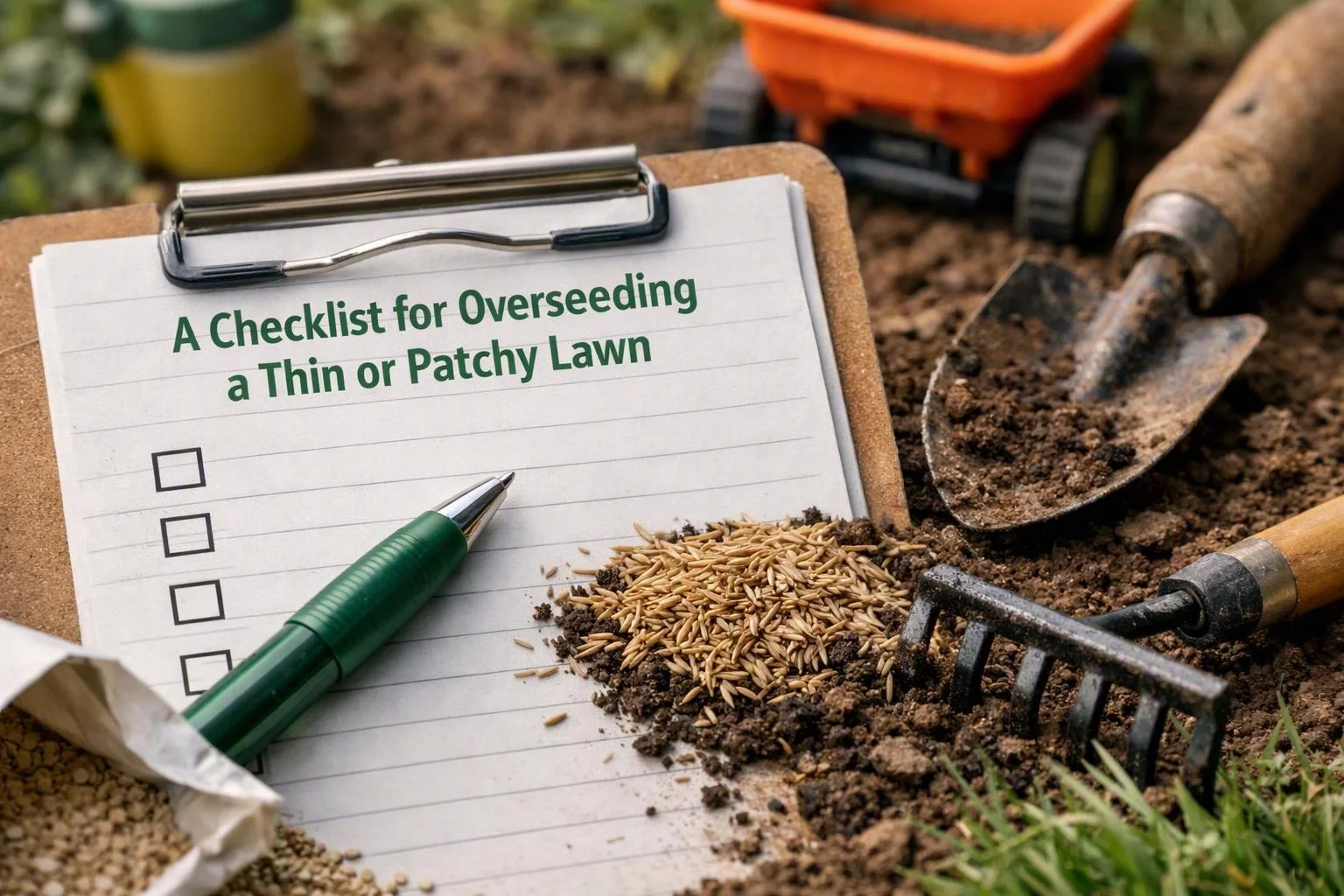
Author: Adam Gorski
What Should You Check Before Overseeding a Thin Lawn?
Lawn overseeding requires a preparation, seeding, and aftercare checklist for thin or patchy lawns.
A thin lawn needs a condition check before overseeding because compacted soil, heavy thatch, poor drainage, or unsuitable grass seed can limit new growth. We inspect the soil condition, existing grass type, sunlight, and drainage around each bare patch.
A patchy lawn may need different treatment across the same surface. Shaded areas can need seed with better shade tolerance, while wet areas may point to a drainage problem. We also look for weed pressure, erosion, and signs of pest or disease damage.
Our Lawn Overseeding service starts with that inspection so the seeding plan fits the lawn.
Before You Spread Grass Seed
Before overseeding, the lawn needs a clean surface and open soil contact. These preparation steps help us repair thin grass and prepare bare spots for seed.
When Should You Aerate or Dethatch Before Overseeding?
Lawn aeration helps when compacted soil blocks roots, while lawn dethatching helps when a thick thatch layer blocks seed and water from reaching soil.
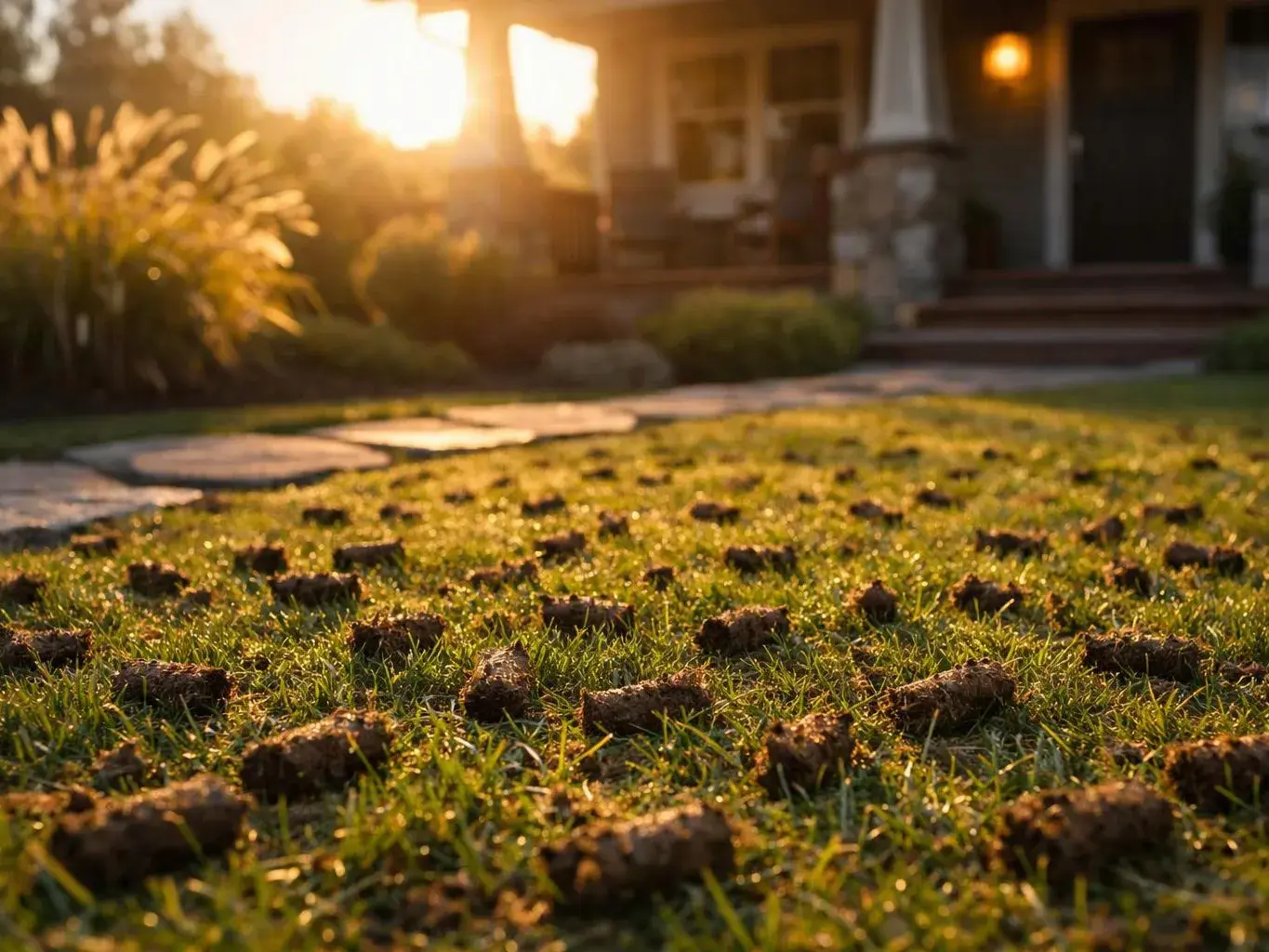
Core aeration opens pathways through compacted soil and improves seed-to-soil contact. We look for hard soil, poor infiltration, and weak root growth before choosing this step.
A thatch layer is a mat of dead and living material near the soil surface. A light layer can protect the lawn, but heavy thatch can keep seed from reaching soil. Our team removes excess thatch when it interferes with germination.
During Seeding and Soil Preparation
Seeding works best when each bare patch receives the right preparation and coverage. We adjust the process to the soil, grass type, and condition of the lawn.
How Do You Choose Seed for Bare Patches?
The right grass seed matches the existing lawn, sunlight, soil moisture, and growing conditions around each bare patch.
We compare the patch with nearby grass before selecting seed. A matching blend usually supports a more even repair, while different conditions may call for a targeted seed choice.
| Condition | Seed choice focus | What we check |
|---|---|---|
| Cool-season lawn | Cool-season grass suited to the existing turf | Growing conditions and germination needs |
| Warm-season lawn | Warm-season grass suited to the local growing pattern | Temperature and seasonal growth |
| Low sunlight | Seed with suitable shade tolerance | Sun exposure and nearby shade |
| Wet or dry soil | Seed suited to the available soil moisture | Drainage, watering access, and surface moisture |
After Seeding: Keep New Grass Moist and Protected
After seeding, steady moisture and light use give grass seed a better chance to germinate. The surface should stay moist without washing seed away or creating standing water.
New grass needs protection while roots develop. We also check whether watering reaches the soil evenly, especially across slopes and compacted areas.
What Red Flags Can Stop Overseeding From Working?
Several lawn conditions can prevent seed from establishing even when coverage looks adequate. We address these problems before relying on overseeding alone.
When Does a Patch Need More Than Overseeding?
A bare lawn needs more than overseeding when drainage, erosion, pests, disease, or severe soil problems keep grass from establishing.
We look for the cause behind repeated bare patches. Drainage problems may need site correction, while erosion can require surface stabilization before seeding.
Pest damage, disease, and root competition can also weaken new grass. Nearby trees, dense plants, and damaged soil may limit growth even when the seed choice is sound.
When the lawn needs broader correction, we may recommend lawn renovation. That work can include soil preparation, weed control, drainage correction, or removal of failed turf before new grass is established.
How We Assess a Thin or Patchy Lawn
We assess grass coverage, soil contact, thatch, compaction, moisture, and site conditions before recommending overseeding work.
Our lawn inspection starts with grass density and the pattern of bare areas. We check whether the cause is traffic, shade, drainage, soil compaction, weeds, or root competition.
We then review seed selection, soil preparation, and the need for lawn aeration or lawn dethatching. The work plan explains what the quote includes, including preparation, seed application, and aftercare guidance.
Job conditions change the work involved, so we provide an exact quote after reviewing the lawn. You can contact our team for a quote.
Questions About Overseeding Thin Lawns
Can I overseed a lawn with bare patches?
Yes, lawn overseeding can fill bare patches when the soil, moisture, drainage, and seed choice support germination. We prepare each patch so seed can reach the soil.
Should I remove weeds before overseeding?
Yes, active weeds should be addressed before overseeding because weed competition can limit new grass. We review the weed problem and choose preparation steps that protect the seeding plan.
Can I overseed without aerating?
Yes, you can overseed without aerating when soil compaction doesn't block seed-to-soil contact or root growth. We recommend aeration when hard soil limits water entry and grass establishment.
How do I stop birds from eating grass seed?
Protect exposed seed with good soil contact and careful watering so less seed remains loose on the surface. We also check for runoff and disturbance that can expose more seed.
Why is my overseeded grass not germinating?
Overseeded grass may fail when seed lacks soil contact, moisture is uneven, thatch is heavy, or the seed doesn't match the site. We inspect those conditions and identify the barrier to grass germination.