Signs Your Lawn May Need Aeration
Signs your lawn may need aeration include hard soil, standing puddles, weak grass growth, and recurring moss. At LandscaperMaplevalleywa.com, we can assess compaction and recommend aeration or overseeding when the lawn needs both. Written by Adam Gorski.
Written by Adam Gorski · 29 years of local experience
Request an Estimate
What Lawn Aeration Does for Compacted Soil
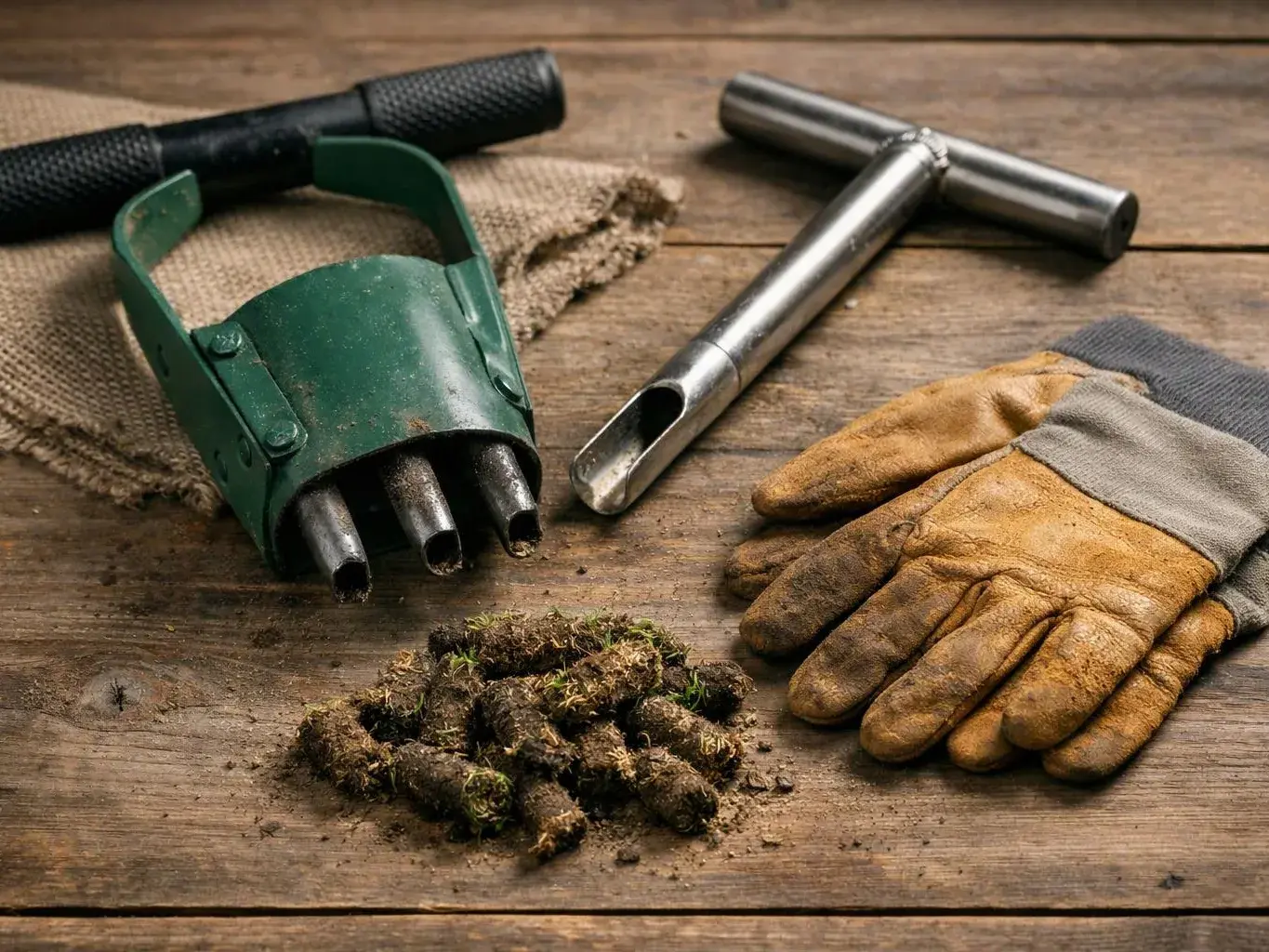
Lawn aeration is a lawn care process that opens compacted soil around grass roots. Core aeration removes small soil plugs, which creates air pockets through the root zone.
Compacted soil has fewer open spaces for air and water. Aeration improves air movement and supports water infiltration near the grass roots.
Better soil access can help roots grow deeper and use available moisture. Aeration also supports healthier lawn drainage when compaction is the main problem.
Our lawn aeration service starts with checking the soil and grass before we plan the work.
Signs Your Lawn May Need Aeration
A lawn may need aeration when compacted soil restricts air, water, and root growth. These visible signs can help you decide whether to request a lawn assessment.
Why Is Lawn Soil Hard Underfoot?
Lawn soil is often hard underfoot because compression reduces the open spaces that roots need. Clay soil can feel especially firm because its fine particles pack closely together.
Foot traffic and mowing pressure can add compaction over time. Hard ground limits root growth, air movement, and water infiltration.
Does Recurring Moss Mean the Lawn Is Compacted?
Recurring moss can point to compaction, but shade, moisture, and poor drainage can also cause it. Moss often grows where grass health is already weak.
Our team checks soil condition, light exposure, and drainage before choosing aeration. A drainage issue may need further assessment when water remains near the soil surface.
When Should You Aerate a Compacted Lawn?
You should aerate a compacted lawn when the grass can recover and the soil is moist but not saturated. Soil moisture should allow the core aerator to enter without smearing wet soil.
Aeration timing also depends on active grass growth and seasonal lawn care needs. Our team checks the lawn's condition before scheduling the work.
A compacted lawn may recover better when aeration matches the grass growth cycle. We also consider thatch, recent weather, and the lawn's ability to handle the work.
Does Lawn Aeration Help With Puddles?
Lawn aeration can improve puddles caused by compacted soil, but it won't correct low spots or major drainage problems. Core openings give water more paths into the soil when compaction causes the blockage.
Low spots can collect water even after soil loosening. Our team checks the grade, soil condition, and drainage pattern before recommending aeration.
Persistent standing water may need a broader lawn drainage assessment. A guide called “Signs Your Yard Has a Drainage Problem” can help you review other warning signs.
When Does Aeration Need Lawn Overseeding?
Aeration needs lawn overseeding when the lawn has open areas that need new grass to fill them. Thin grass and bare patches often need both improved soil access and new seed.
Core holes can improve seed-to-soil contact when grass seed is spread after aeration. Good contact gives seed access to soil moisture and supports germination.
Our team checks grass coverage before adding overseeding to the plan. We choose the work based on the lawn's open areas, root condition, and recovery needs.
What You Can Do Yourself and What We Do
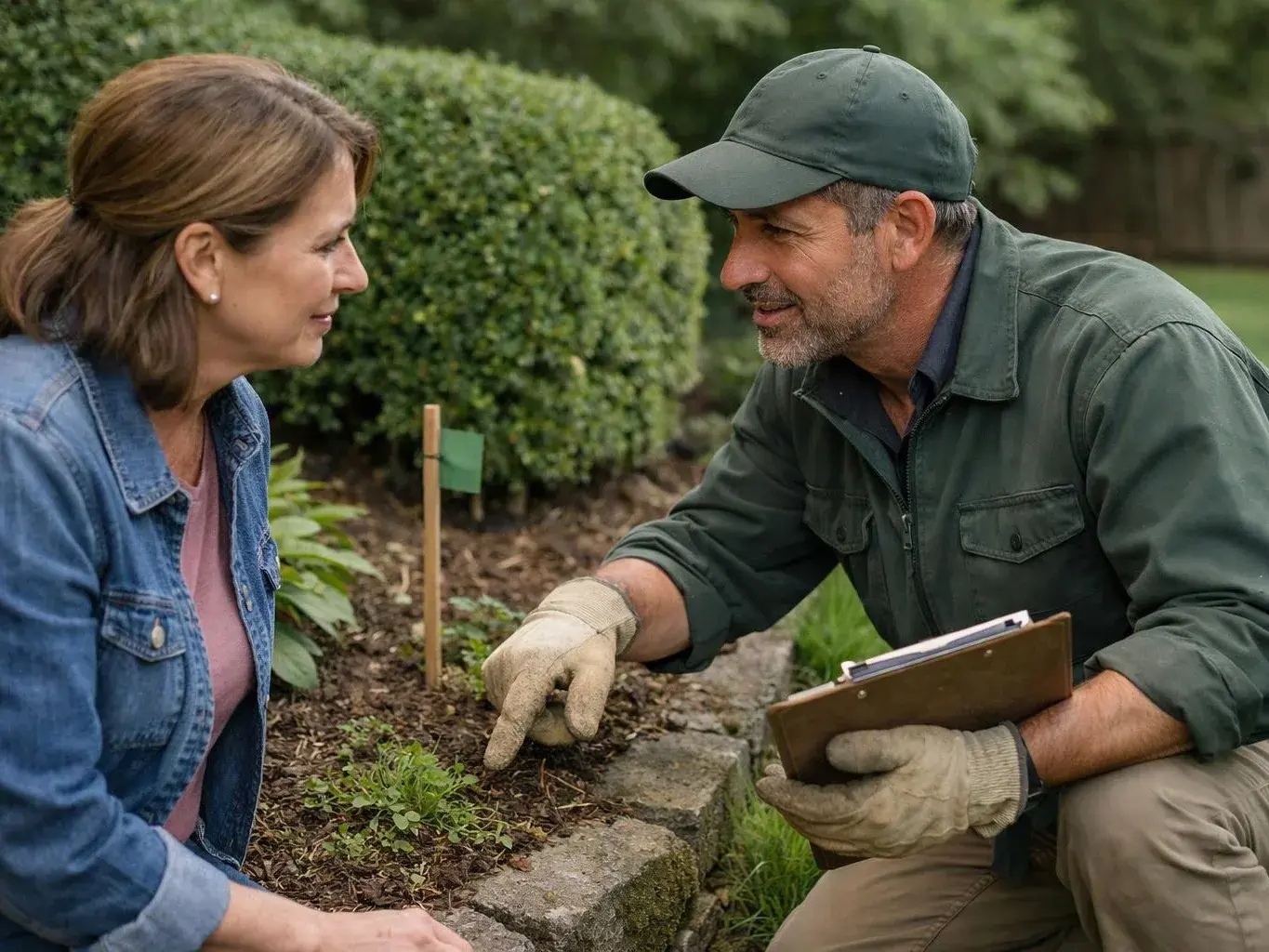
You can make a basic lawn assessment by observing soil firmness, puddles, thin turf, moss, and bare spots. Our team can check compaction and match the findings to a practical service plan.
The table shows where homeowner observations end and our assessment begins.
| Factor | What you can do yourself | What we do |
|---|---|---|
| Soil compaction | Notice hard ground and weak grass growth. | Assess soil condition and plan core aeration when suitable. |
| Core aeration | Decide whether visible signs suggest a need for service. | Use core aeration to open compacted soil around the root zone. |
| Lawn overseeding | Look for thin grass and bare patches. | Decide whether grass seed should follow aeration. |
| Service planning | Record where puddles, moss, and hard soil appear. | Build a plan around lawn condition, access, and recovery. |
How We Assess a Lawn Before Aeration
Our team inspects the lawn's soil condition, grass density, thatch, and drainage before aeration. This inspection shows whether compaction is the main cause of weak growth.
We look for hard soil, shallow roots, standing water, and areas with poor grass coverage. We also note site access because equipment needs a clear path to the lawn.
Our aeration planning connects the findings to the right service. The plan may include core aeration, lawn overseeding, or further drainage assessment.
What Changes the Cost of Lawn Aeration?
Lawn aeration cost changes with lawn size, soil condition, access, and whether overseeding is needed; request a quote for the specific property.
Larger lawn areas require more work and equipment coverage. Heavy compaction can also affect the service plan and preparation.
Grass coverage matters when thin areas or bare patches need lawn overseeding. Site access can affect how our crew moves equipment to the lawn.
Our quote explains the planned work and any added overseeding needs. Contact us through our contact page to request an exact quote.
Plan Lawn Aeration for Healthier Grass
A lawn aeration service can support grass recovery when compacted soil limits roots, air, and water. Core aeration helps open the soil, while lawn overseeding adds grass seed where coverage is weak.
Visible signs can guide the next step, but the cause still matters. Our team can assess the lawn and plan aeration, overseeding, or drainage follow-up based on its condition.
Request a property-specific quote when hard soil, puddles, thin grass, or recurring moss keeps returning.
Questions About Lawn Aeration Signs
Can aeration fix a completely bare lawn?
Aeration alone can't fix a completely bare lawn because bare soil needs new grass coverage. Our team can assess the soil and recommend lawn overseeding when grass seed is needed.
Should I mow before lawn aeration?
Mowing before lawn aeration can help expose the soil surface, but the lawn should be assessed first. Our team can explain the preparation needed for the specific grass and site.
Can lawn aeration damage grass?
Lawn aeration can stress grass when soil moisture, timing, or lawn condition is unsuitable. Our team checks those conditions and plans the work to support grass recovery.
How can I tell whether puddles come from compaction or poor drainage?
Puddles come from compaction when water struggles to enter otherwise level soil, while poor drainage can involve low spots or broader water flow problems. Our team checks the soil, grade, and drainage pattern before recommending aeration.