Landscape Design Styles and the Elements That Bring Them Together
Landscape design styles guide the look, layout, materials, and planting choices in an outdoor space. At LandscaperMaplevalleywa.com, we connect each style with practical elements such as hardscape, plants, lighting, and water features.
Written by Adam Gorski · 29 years of local experience
Request an Estimate
Landscape design organizes and coordinates outdoor space elements so the property feels connected. Our team uses the home's character, site conditions, and outdoor function to shape a useful design.
Our Landscape Design service can connect style decisions with planting beds, patios, walkways, lighting, and water features. We also explain how each choice affects care and long-term use.
Written by Adam Gorski
What Are the Main Landscape Design Styles?
Landscape design styles are visual and planning approaches that guide plant choices, hardscape, colors, shapes, and outdoor features. Each style can be adapted to the property, climate, and way you use the space.
| Landscape style | Common design elements | Overall character |
|---|---|---|
| Traditional landscape design | Balanced planting beds, defined edges, symmetrical forms, and classic materials | Orderly and formal |
| Modern landscape design | Clean lines, simple plant palettes, pavers, concrete, and strong geometry | Simple and structured |
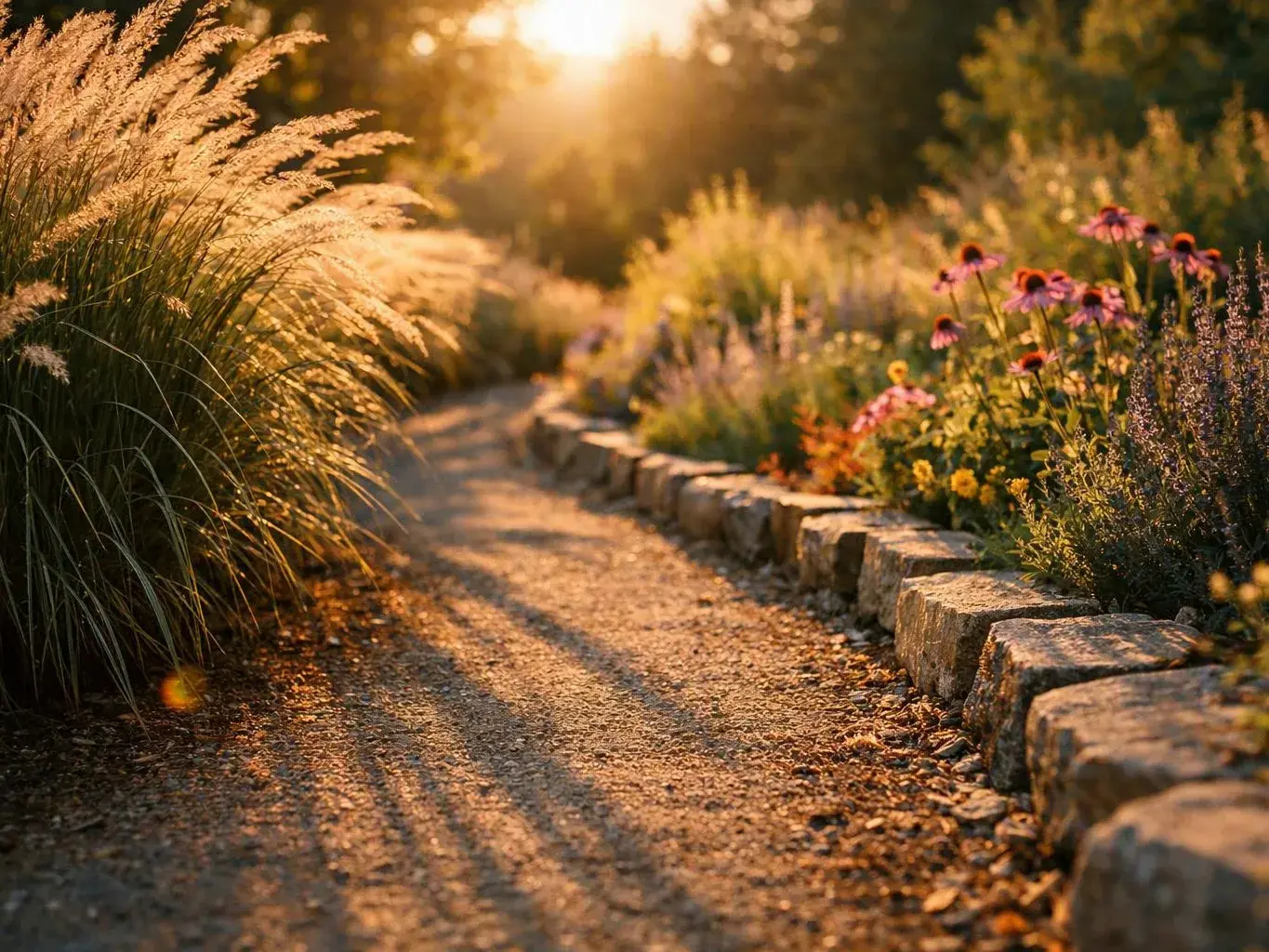
| Cottage garden design | Layered flowers, informal paths, mixed textures, and ornamental plants | Relaxed and abundant |
| Tropical landscape design | Bold foliage, strong color, lush groupings, and moisture-focused planting | Lush and dramatic |
| Xeriscape design | Water-wise plants, gravel, natural stone, efficient layout, and limited lawn | Practical and resource-aware |
| Japanese garden design | Natural stone, restrained planting, water, timber, and carefully framed views | Calm and thoughtful |
| Mediterranean landscape design | Warm materials, textured planting, gravel, terracotta tones, and outdoor gathering areas | Warm and inviting |
How Do You Choose a Landscape Style for Your Home?
The right landscape style matches the home, site conditions, intended use, and level of maintenance you want. Our team starts with the relationship between the yard and the home's architecture.
Home architecture can guide materials, shapes, and visual balance. A simple home may suit a clean contemporary layout, while a detailed home may work well with traditional or cottage garden design.
Property layout also matters. We review slopes, usable areas, views, privacy needs, shade, and sun exposure before choosing plants or hardscape.
Climate and maintenance needs shape plant selection. Native plants may support easier care, while ornamental plants can add a specific color palette or seasonal interest when their needs fit the site.
Finally, consider outdoor use. Dining, play, entertaining, privacy, and quiet areas each call for different circulation and space planning.
Which Elements Create a Cohesive Landscape Design?
A cohesive landscape combines repeated colors, materials, shapes, textures, and sight lines across the property. These connections help separate areas feel like parts of one outdoor living space.
How Do Hardscape and Planting Work Together?
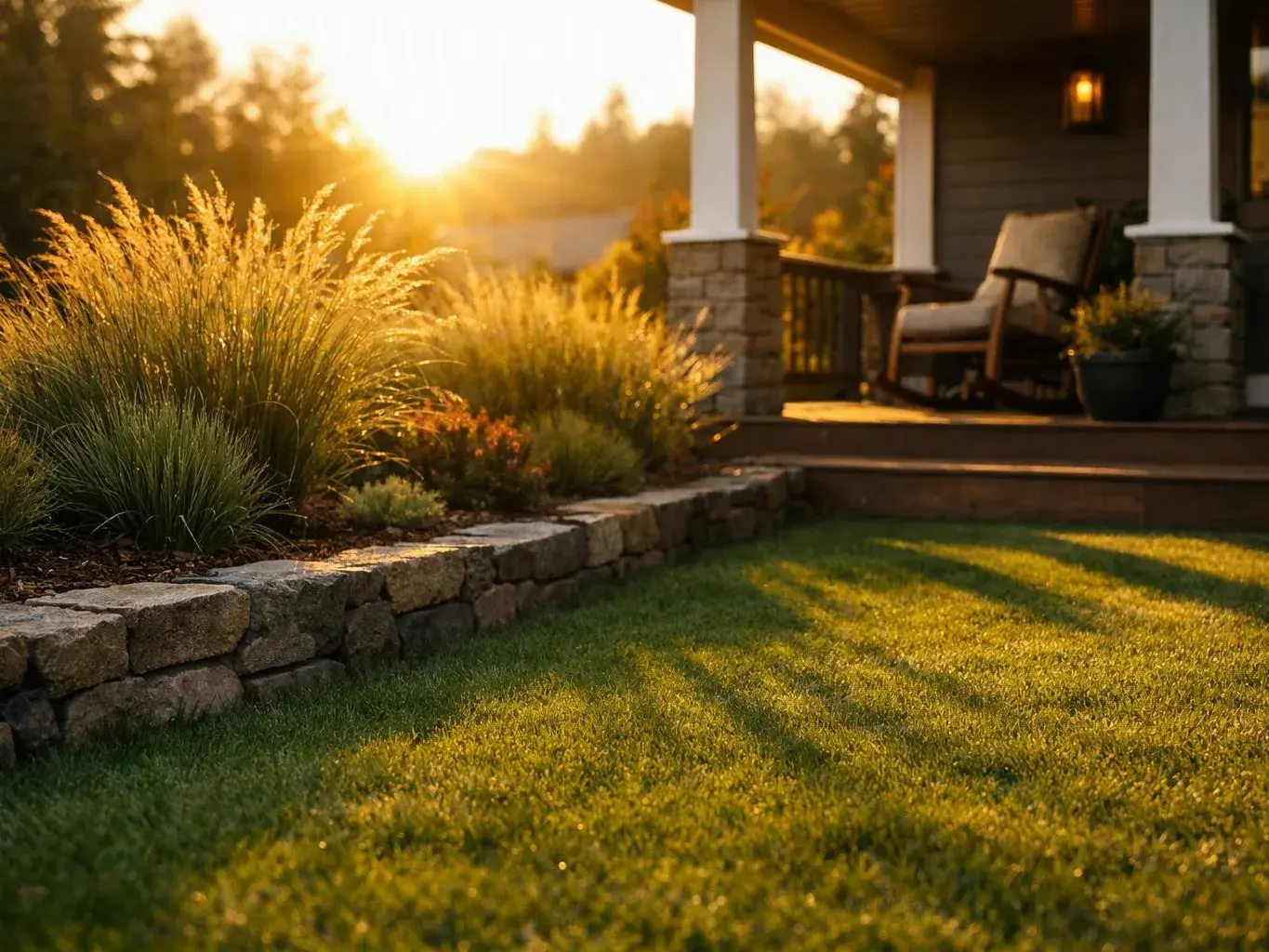
Hardscape creates structure and movement, while planting softens edges, adds seasonal interest, and connects separate outdoor areas. The strongest designs plan both parts together.
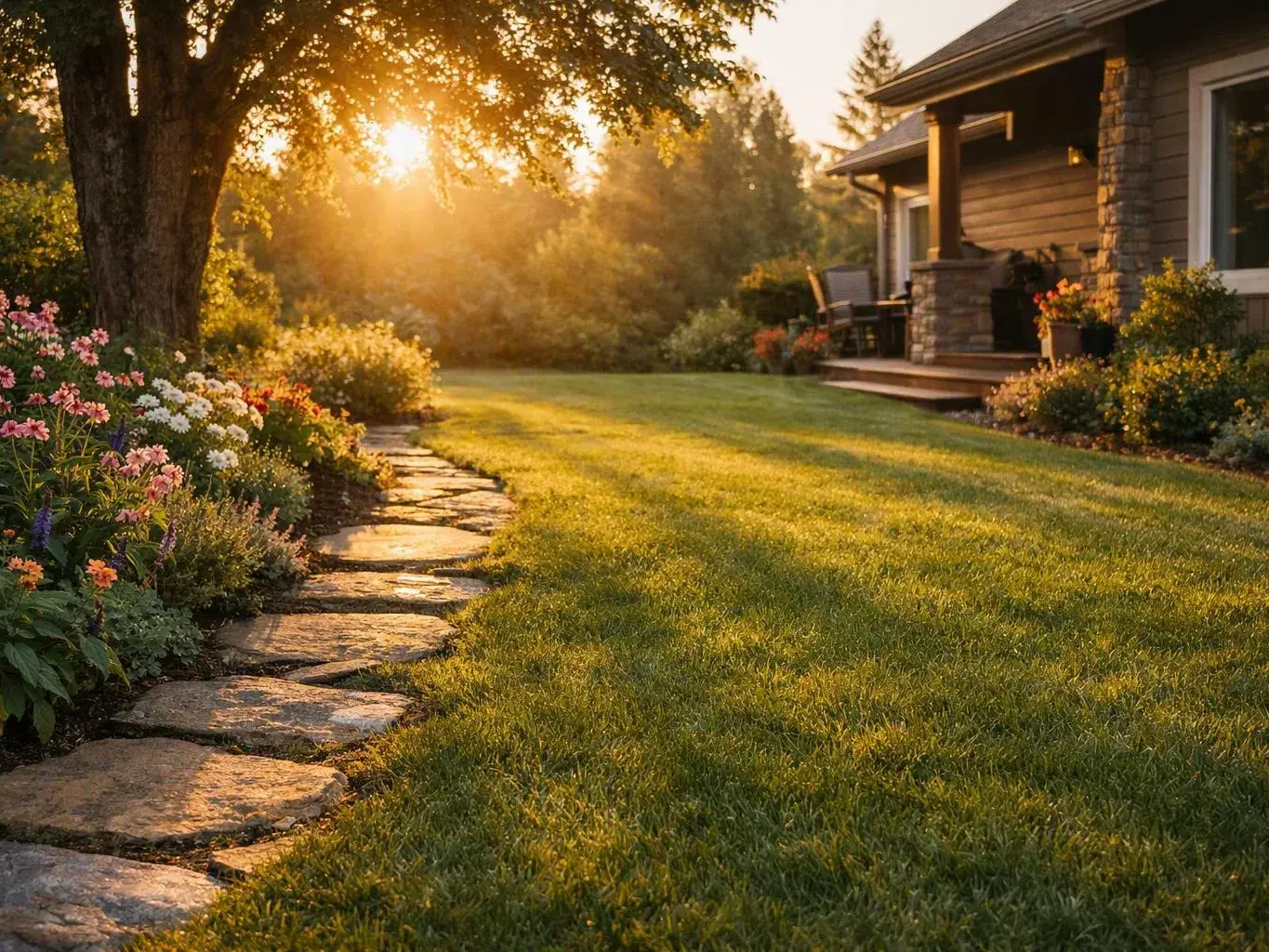
A paver patio can define an outdoor dining area, while nearby planting beds soften its edges. A walkway can lead through shrubs and ground covers, giving the route a clear destination.
Retaining walls can manage changes in grade and create useful planting space. Trees and shrubs can frame those walls, provide screening, and connect upper and lower areas.
We also check how mature plants will relate to walls, paving, drainage, and access. This helps protect circulation and keeps maintenance practical as the garden develops.
What Belongs in a Landscape Design Plan?
A landscape design plan shows how the site, plants, hardscape, lighting, and water features will work together. A complete plan gives each part a place and a purpose.
How Can Lighting and Water Features Support a Landscape Style?
Landscape lighting extends the design into the evening, while water features add movement, sound, and a visual focal point. Both should support the style and daily use of the space.
Path lighting helps define circulation and improves nighttime visibility along walkways and steps. Accent lighting can highlight trees, planting beds, natural stone, walls, or architectural details.
Ponds and fountains create different moods through movement and sound. Our team places these features where they can be enjoyed without blocking access or creating difficult maintenance areas.
Electrical and plumbing work must follow applicable code and inspection requirements. We plan these systems carefully, and regulated connections should be handled by licensed professionals.
How We Turn a Chosen Style Into a Usable Outdoor Space
We turn a preferred landscape style into a practical plan by reviewing the site, priorities, materials, plants, and features. Our process keeps appearance connected to outdoor function.
Our team explains what the design includes and how each choice affects maintenance. You can request a quote from us after the site needs and design scope are clear.
For a deeper process overview, see The Landscape Design Process, From Site Visit to Installation.
What Should You Check Before Approving a Landscape Design?
A landscape design should work for daily use, future plant growth, drainage, maintenance access, and seasonal changes. Review the plan as a living space, not only as a drawing.
Check maintenance access around planting beds, walls, lighting, and water features. Make sure equipment, pruning, cleaning, and repairs can be handled without damaging nearby areas.
Review plant maturity and seasonal appearance. Trees and shrubs need enough room for their mature form, while the overall planting should continue to look balanced through changing seasons.
Confirm walkway access and patio placement for the way people move and gather. Also check lighting coverage along routes, steps, entrances, and important outdoor areas.
Drainage deserves careful attention before approval. Our team checks how water moves through the site and how the design protects planting, hardscape, and structures.
Questions About Landscape Design Styles
Can you combine more than one landscape design style?
Yes, landscape design styles can be combined when they share materials, colors, forms, or planting patterns. Our team uses one clear visual thread so the result feels intentional.
What is the difference between hardscape and softscape?
Hardscape is the built part of a landscape, such as patios, walkways, walls, and paving. Softscape is the living part, including trees, shrubs, ground covers, and other plants.
How do landscape design styles affect plant selection?
Landscape design styles affect plant form, color, texture, spacing, and the amount of visual variety. Site conditions still control which plants can grow well.
How do I make a landscape design easier to maintain?
A low-maintenance landscape design uses suitable plants, clear access, practical bed shapes, durable materials, and planned drainage. Our team also considers mature plant size and long-term care before finalizing the layout.
Related Resources
Landscape Architect, Designer, or Design-Build Contractor: Which Should You Hire?
Compared ToLandscape Design Only or Design-Build: Which Route Fits Your Project?
Compared ToPaver Patio or Deck: Choosing the Right Outdoor Living Surface
How to HireHow to Choose a Landscape Contractor for Your Project