Before confirming the work plan, what problems can affect drip irrigation installation as part of the intake checklist?
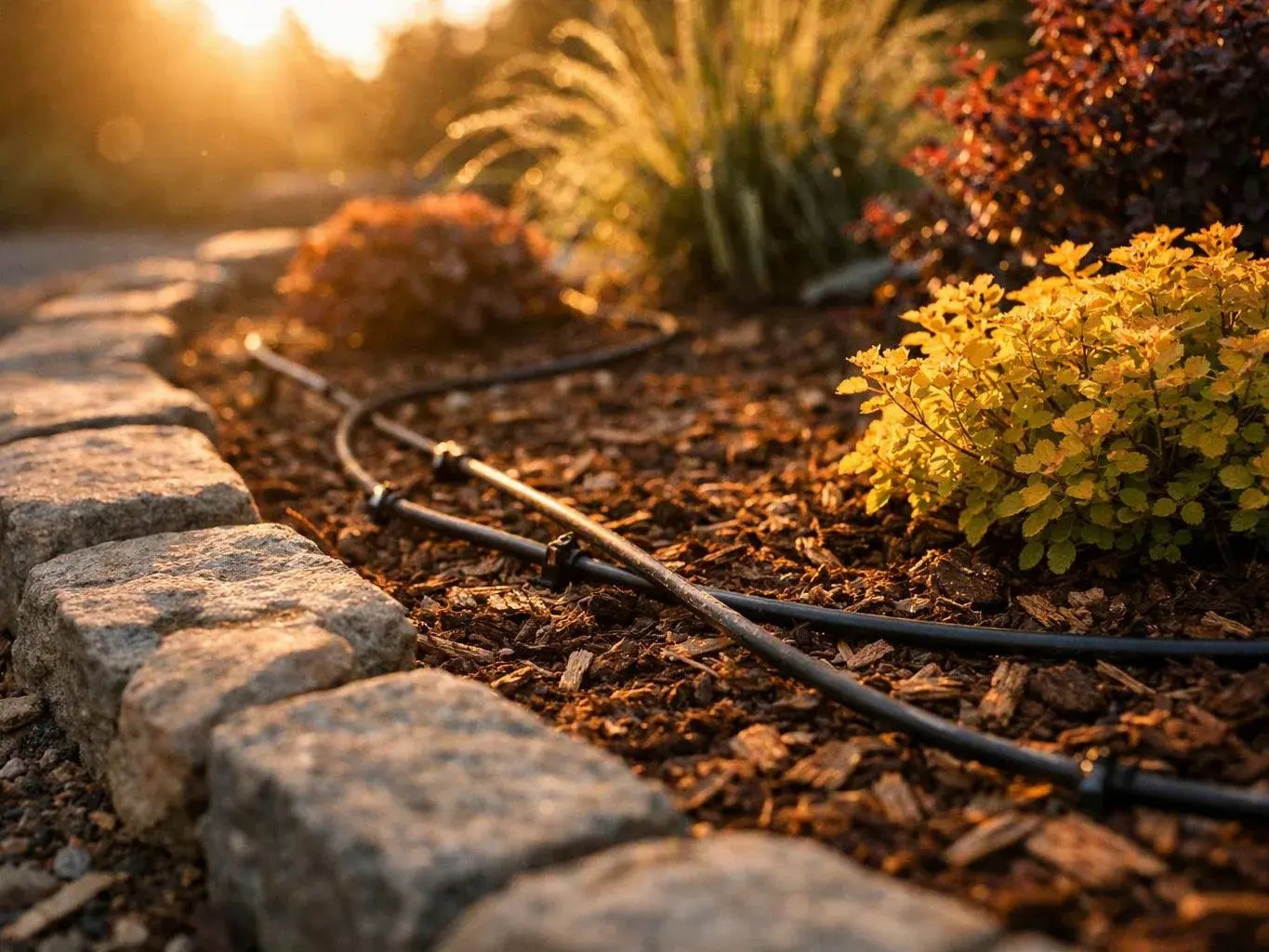
Pressure surges, clogged emitters, tubing leaks, uneven flow, and rodent damage can affect drip irrigation installation. Each problem needs a different inspection. We check the supply, fittings, tubing route, and emitter pattern before choosing the repair or installation scope. The system’s layout also matters because a local blockage may not require changes to every planting area.
How does the planting layout change the irrigation plan?
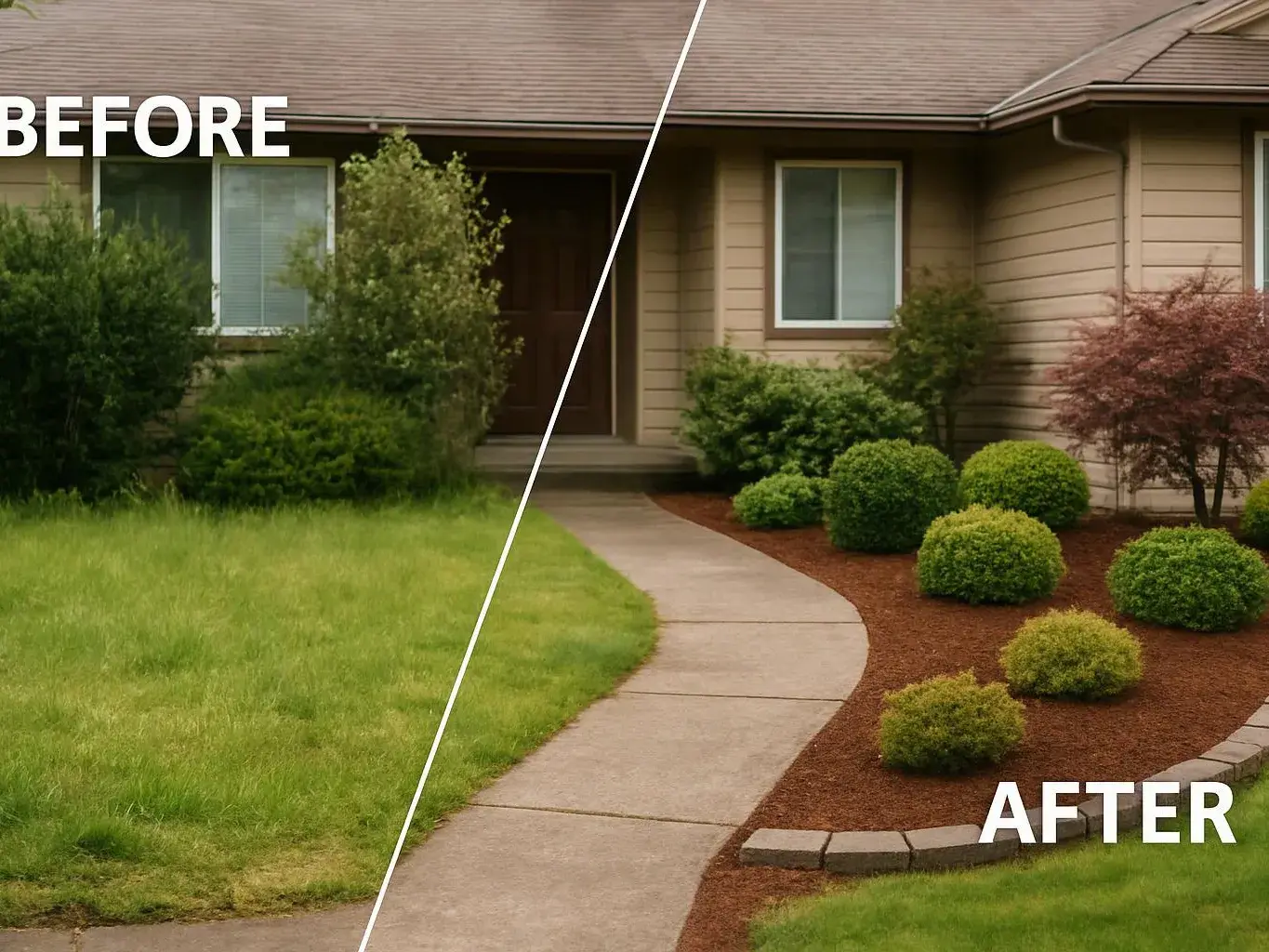
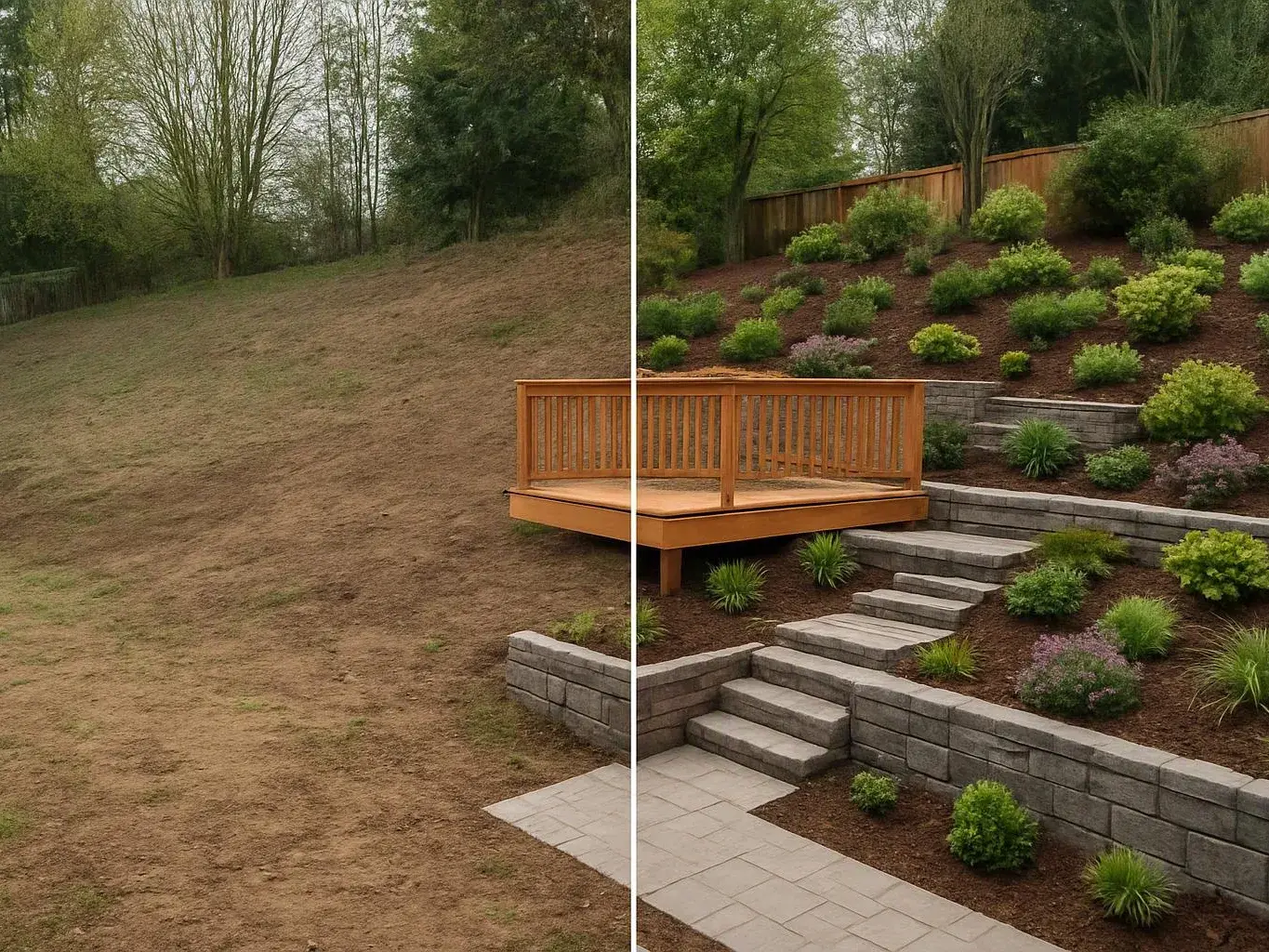
Plant spacing and root zones determine where tubing and emitters should go. Dense beds may need more delivery points, while trees and shrubs need different placement from small plants. The plan also accounts for paths, patios, retaining walls, and access. A planting layout gives us the basis for a system that fits the finished landscape.
Which materials can affect the installation work?
Tubing, fittings, pressure control parts, emitters, and end caps shape the installation work. Existing hardscape can also change the route and access needed for tubing. We review the property before selecting the parts that fit the site and planting plan. The quote reflects the actual scope, materials, and access involved.
When should a homeowner request an irrigation assessment for Drip Irrigation Installation?
A homeowner should request an assessment when plants stay dry, soil remains wet, emitters stop flowing, or tubing shows leaks. These signs can point to different faults, so replacing parts without checking the layout may miss the cause. In Burien, homeowners can request a review for a new planting project or an existing irrigation concern.
Why does one part of a drip line flow poorly?
A weak section often points to a clogged emitter, damaged tubing, poor connection, or pressure problem. The affected line needs inspection from its supply point to the final emitter. We trace the flow pattern and check nearby planting areas before recommending a repair or new section. Regular flushing can help reduce future blockages.
How is the installation scope priced for a residential yard?
Residential irrigation pricing follows the site area, planting layout, water access, tubing route, existing parts, and needed pressure control. A yard with damaged or buried lines may need more inspection than a new planting bed. We review those factors and provide upfront pricing for the agreed scope. No standard package replaces a site-based quote.
For Drip Irrigation Installation, what should I prepare before requesting a quote?
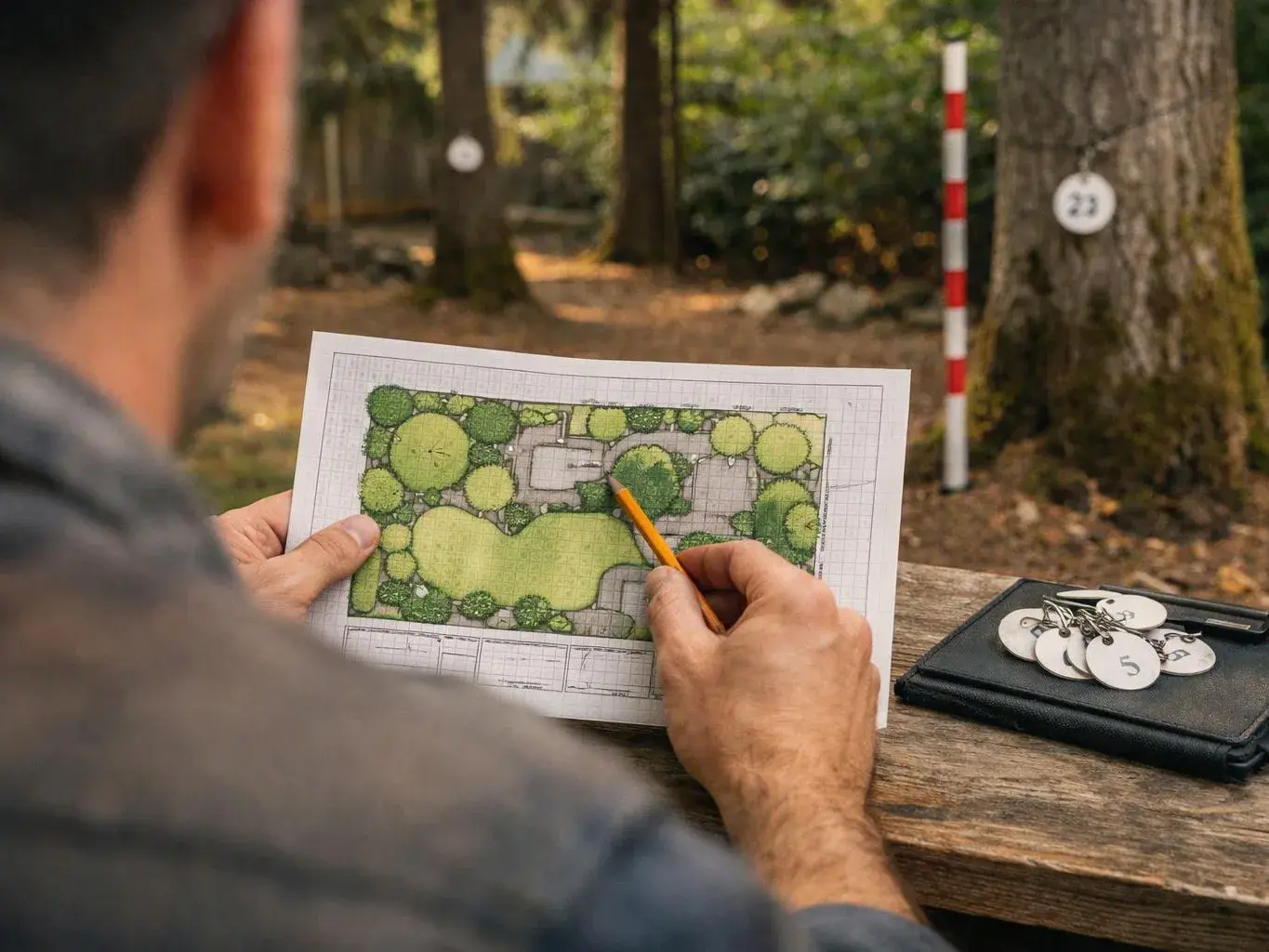
Photos of planting beds, a simple property sketch, known leak areas, and details about existing irrigation help define the request. Note which plants look dry and where water collects after watering. Those observations give us useful starting information. We’ll still assess the site, because tubing access and connection points can change the work.