How can walkway placement improve outdoor function?
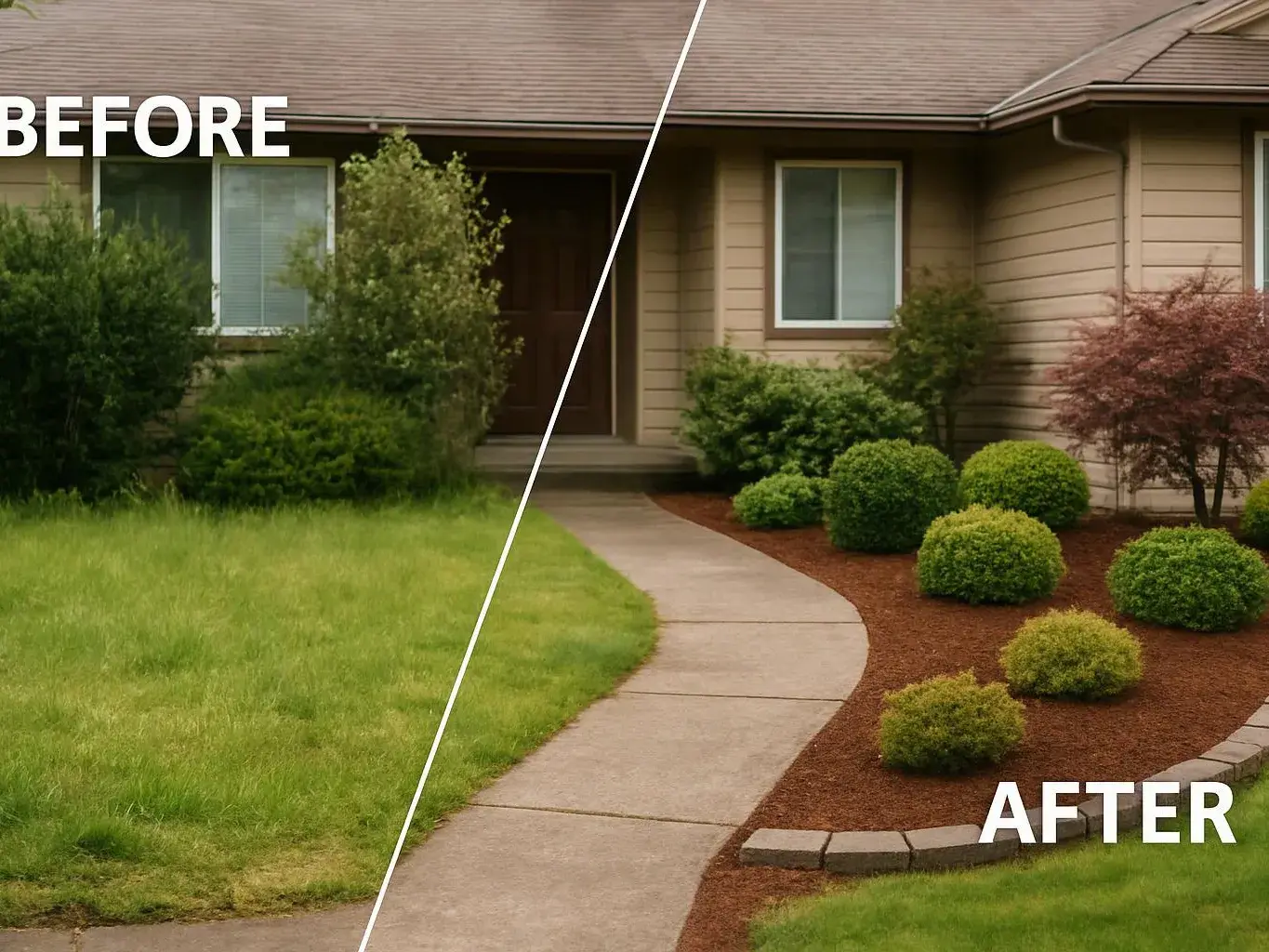
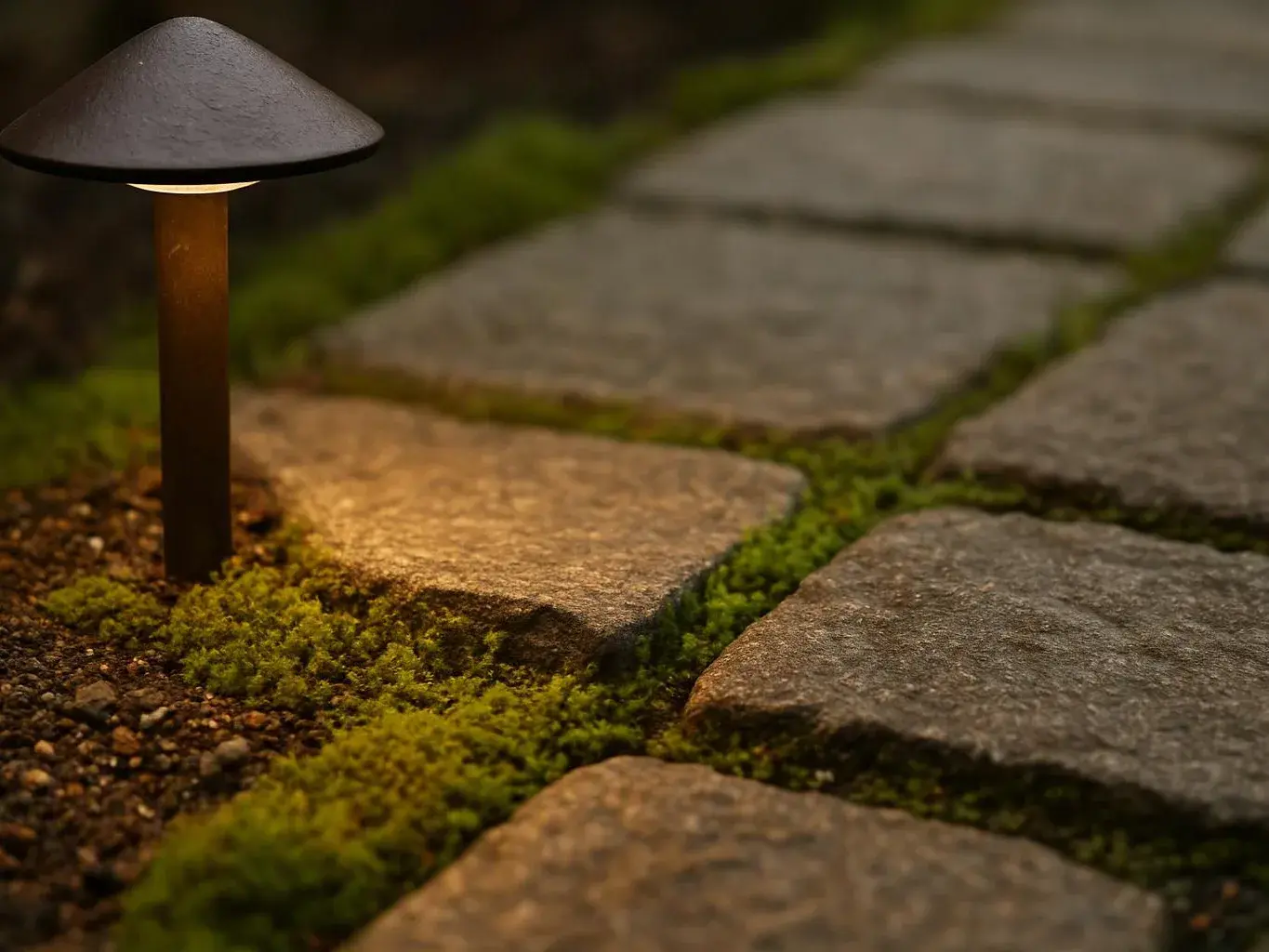
Walkway placement improves outdoor function by linking the home, patio, lawn, garden, and seating areas. The route should match daily movement and support the way guests enter the yard. We also review slope, drainage, planting beds, lighting, and material changes. A good layout helps each outdoor room feel connected without covering the yard with unnecessary hardscape.
What does the first property review check?
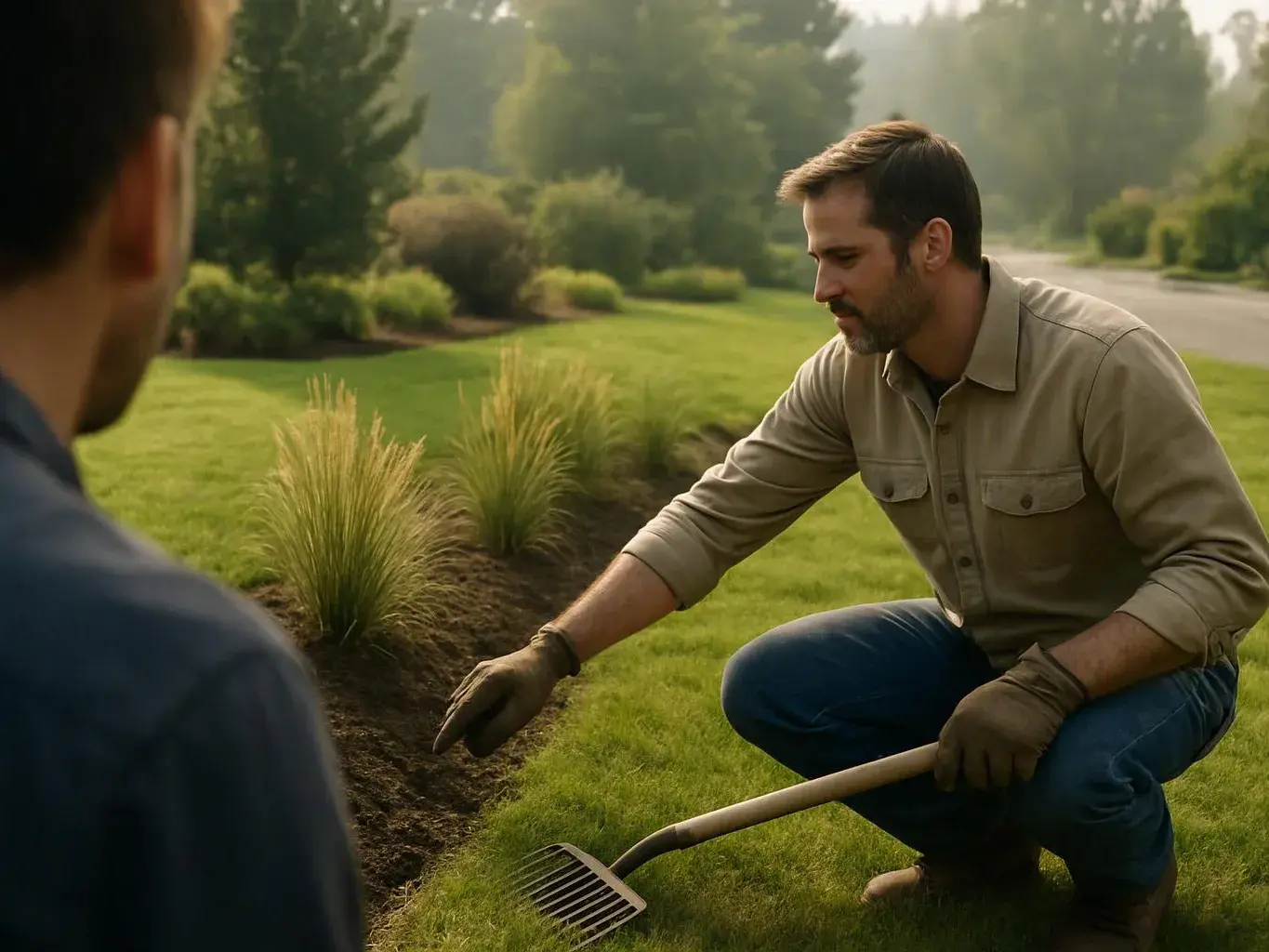
The first property review checks soil, slope, drainage, existing plants, structures, and the routes people already use. We also discuss goals for patios, privacy, seating, lighting, and maintenance. These details shape the design scope. Photos, rough measurements, and a list of preferred outdoor activities can help make the first discussion more useful.
Which projects benefit most from a full landscape plan?
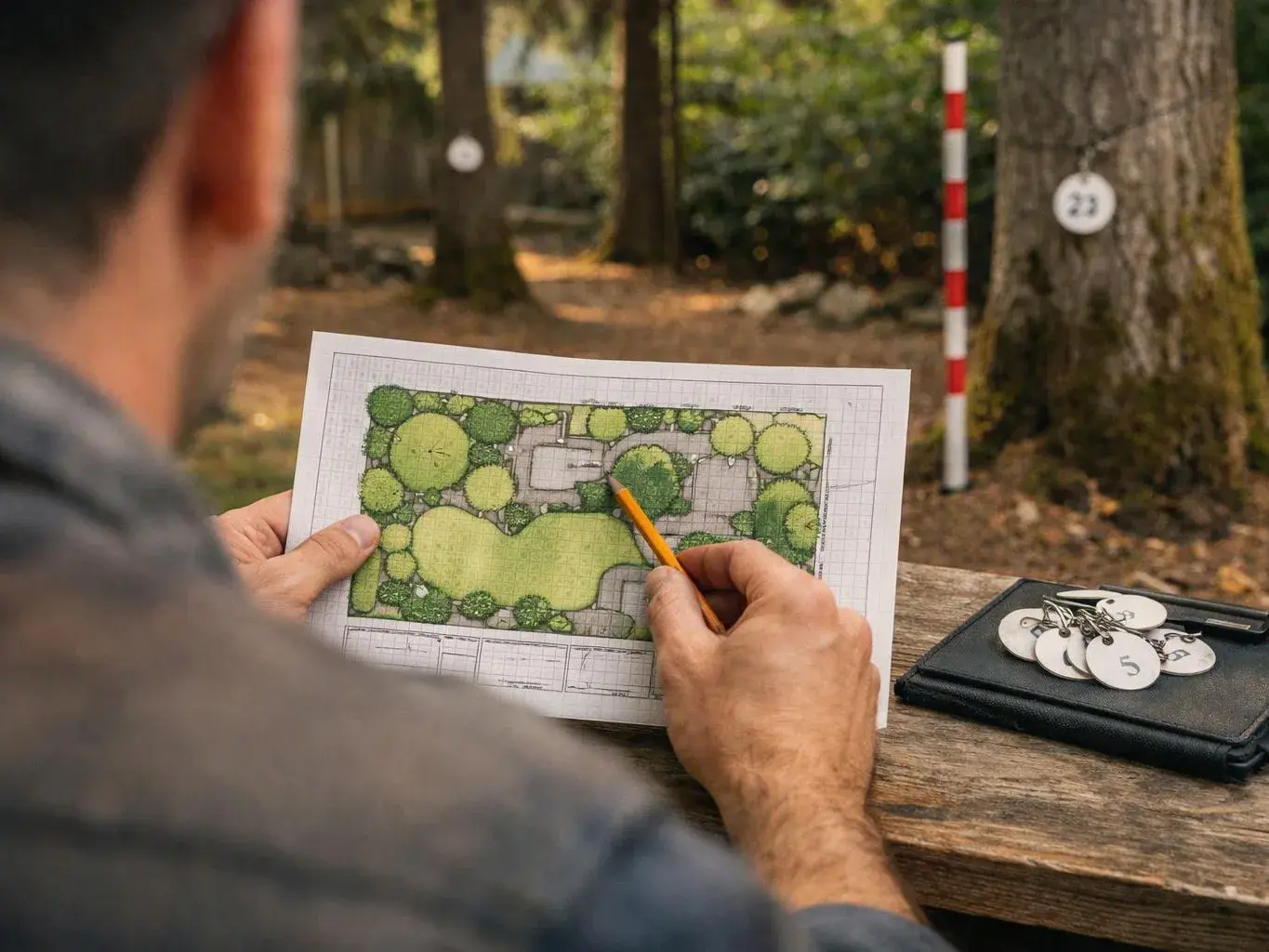
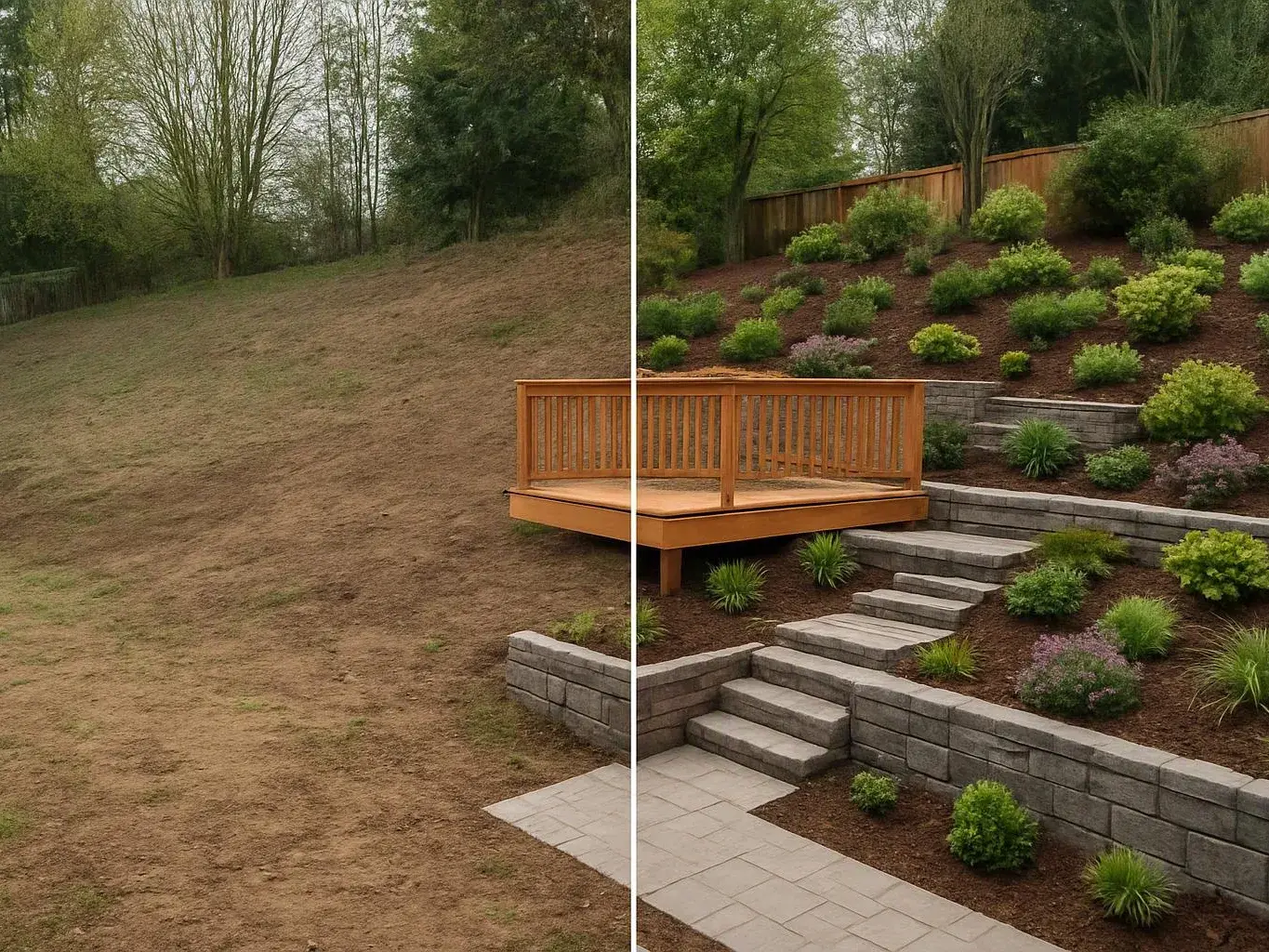
Full landscape plans suit yards that need several connected changes, such as patios, paths, planting, lighting, and retaining walls. The plan gives those parts one layout before construction starts. Smaller work may need only a focused planting or hardscape service. The right choice depends on how many areas must work together.
When should I request a landscape design quote?
A design quote makes sense before you choose materials or start construction on a multi-part yard project. The scope should name the areas you want to change and the outdoor activities you want to support. We then review the property and discuss the design work, planting, hardscape, lighting, and installation needs included in the request.
Why do outdoor rooms need access paths planned early?
Outdoor rooms need early access planning because paths affect entry, seating, furniture placement, planting, and maintenance. A late route can cut through a planting bed or leave a patio hard to reach. We place circulation with the intended use of each space, then coordinate edges, lighting, and nearby landscape features.
How do you decide where privacy screening belongs?
Privacy screening belongs where sight lines, seating, and outdoor use call for separation. We review views from the home and planned gathering areas before selecting plant placement or other screening elements. The design must preserve useful access and avoid blocking important routes. Plant care also matters, since screening needs regular maintenance after installation.
What makes a landscape designer different from a landscape builder?
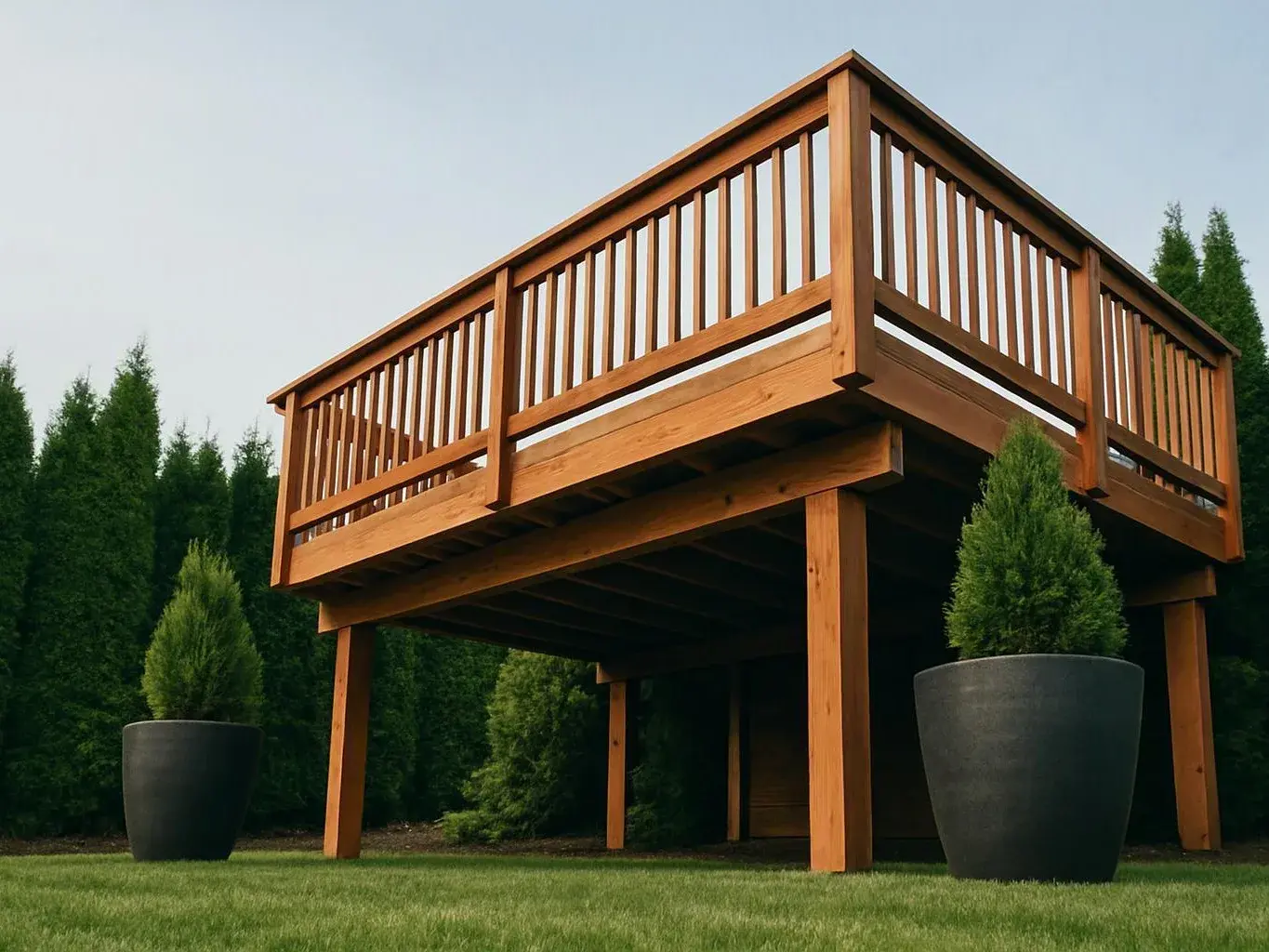
A landscape designer develops the layout and planting direction, while a landscape builder carries the design into construction. Our work connects both roles through a coordinated design-to-build process. That approach helps keep paths, patios, walls, plants, lighting, and water features aligned from the first site review through installation.