How can landscape installation improve soil and plant health?
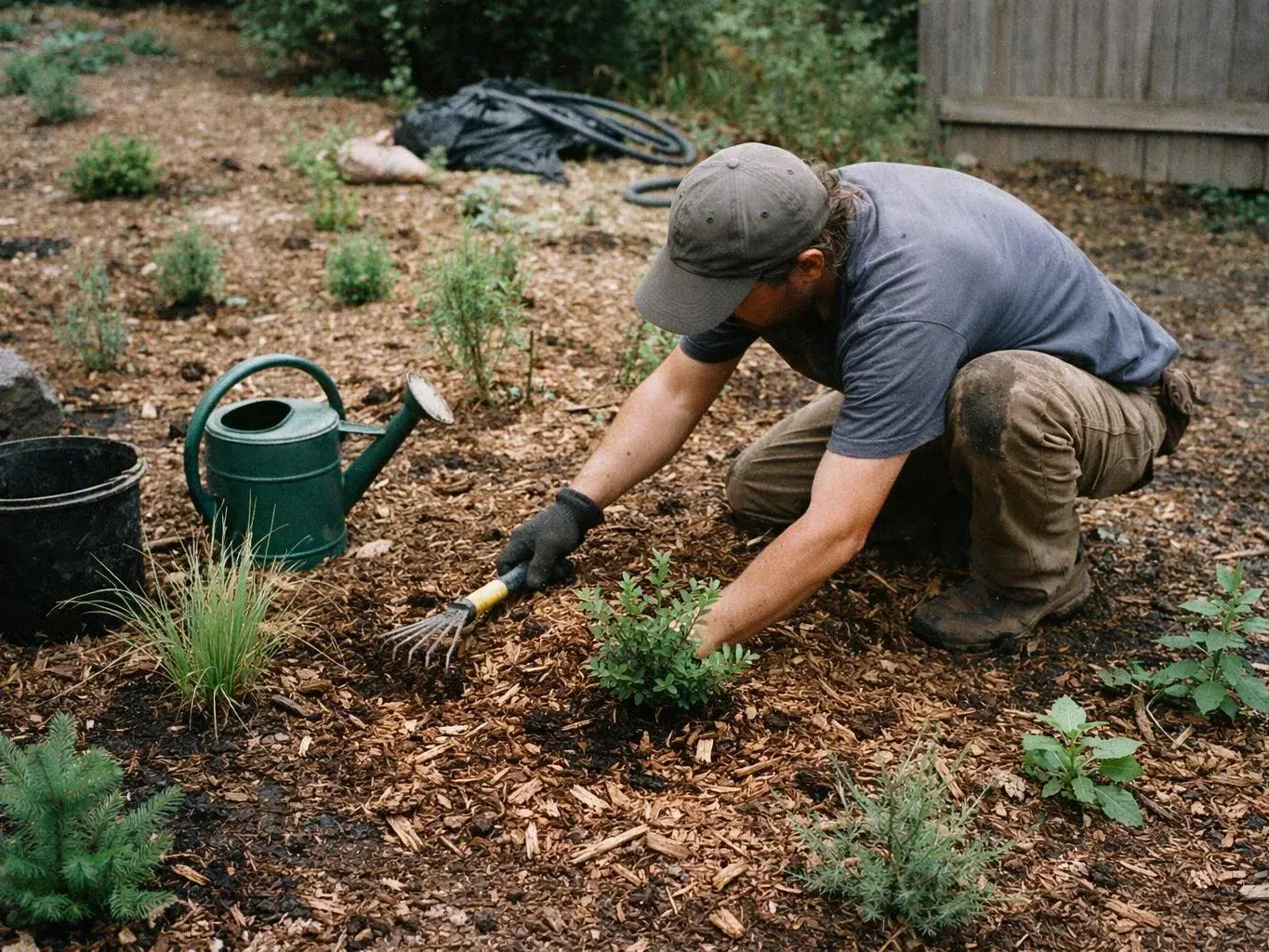
Compost amendment improves soil structure and supports healthier planting when the site needs more organic matter. Soil testing helps guide the work, while proper planting depth protects roots and drainage correction limits standing water. Root coverage also helps protect the bed after installation. We use those findings to connect plant health with the wider design.
What site conditions change the planting plan?
Soil condition, slope, drainage, existing plants, and available sunlight change the planting plan. Our team reviews those factors before selecting plants or setting bed lines. The decision is whether the site needs preparation first or can support planting as planned. That answer also affects nearby walls, paths, lawn, and water features.
Which details should I prepare before the first design meeting?
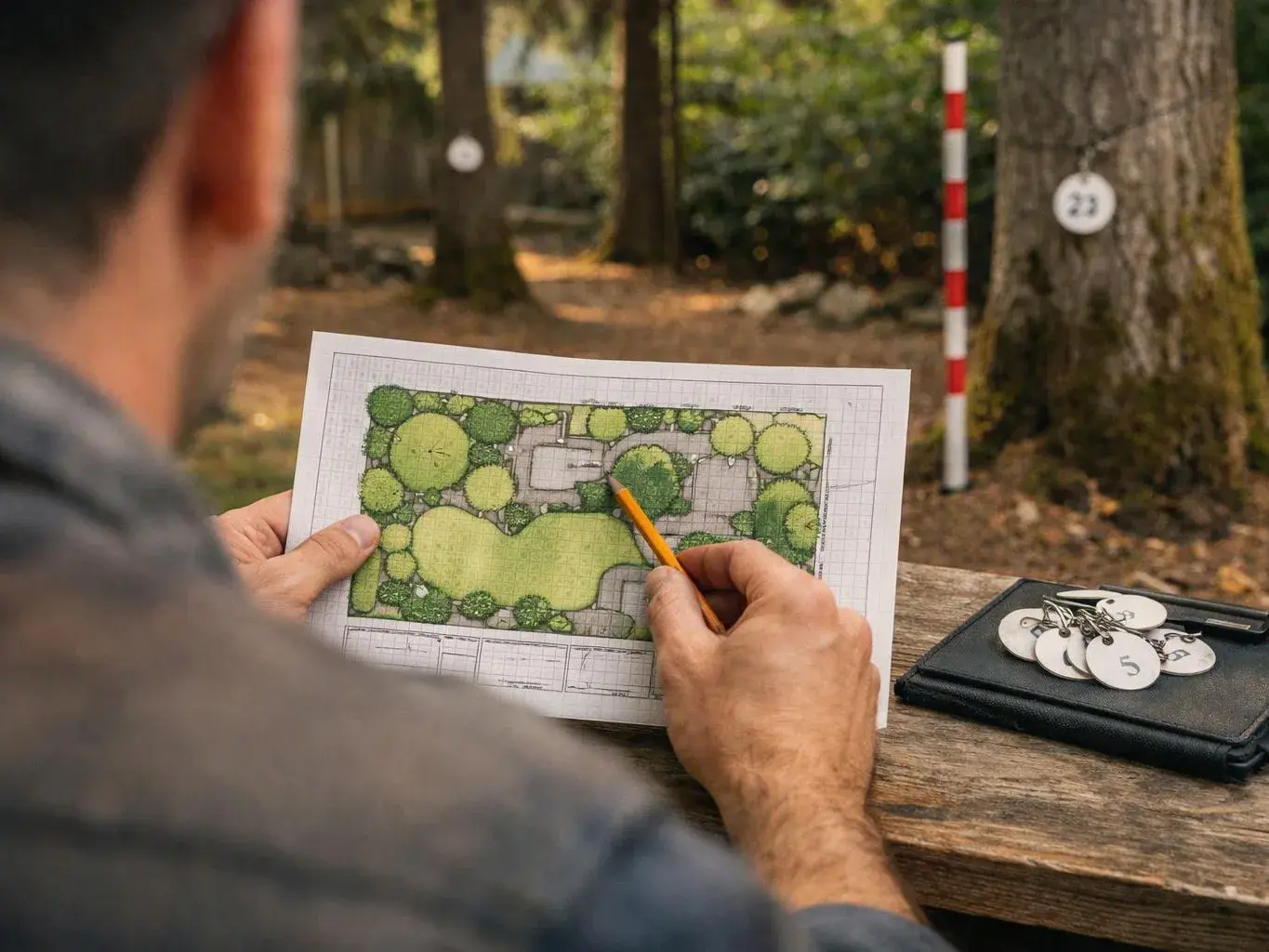
Property goals, photos, problem areas, and a list of desired features help guide the first design meeting. Share where you want seating, play space, planting, lawn, lighting, or water features. Access details also matter because they affect construction planning. Our team then reviews the site and outlines the work that fits.
Why do retaining walls and planting beds need one plan?
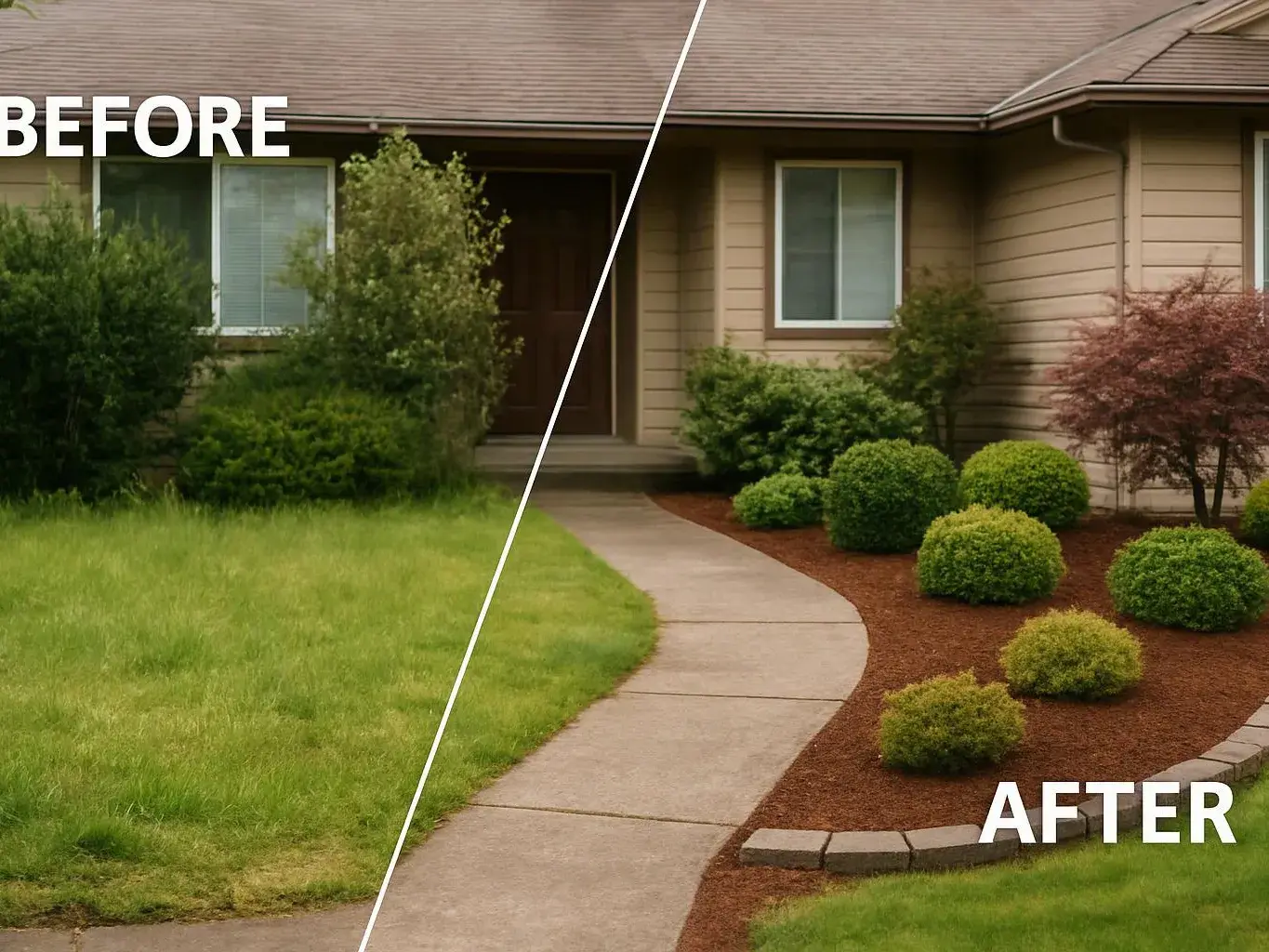
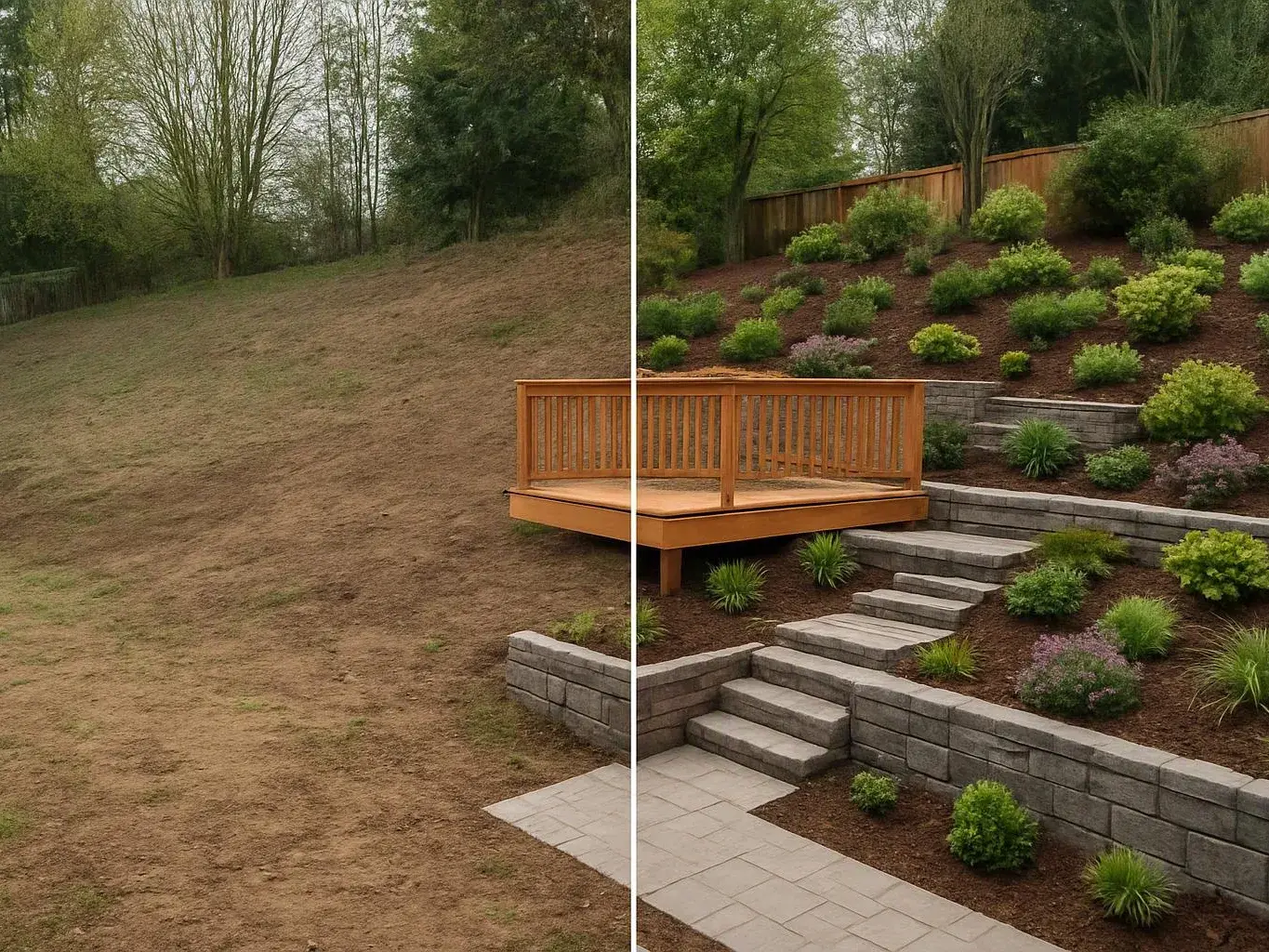
Retaining walls and planting beds need one plan because wall placement affects soil depth, water movement, and root space. We review the slope and drainage before setting the wall and bed layout. This helps the finished planting and hardscape work together. A wall-only request is better suited to a focused hardscape scope.
When is a landscaper a better fit than routine yard care?
A landscaper is a better fit when the property needs design, planting, lawn installation, hardscape, drainage work, or several features together. Routine yard care focuses on recurring upkeep after the space is established. Our work begins with site conditions and a planned scope. Regular maintenance can then support the installed landscape.
How does the design-to-build process affect the quote?
The design-to-build process connects the quote to the selected work, site preparation, materials, and installation details. Planting, drainage, walls, paths, lighting, and lawn work each add different scope. We review those choices before preparing a quote. The final amount comes from the property and the work you choose.
What is the difference between a landscape designer and a landscape architect?
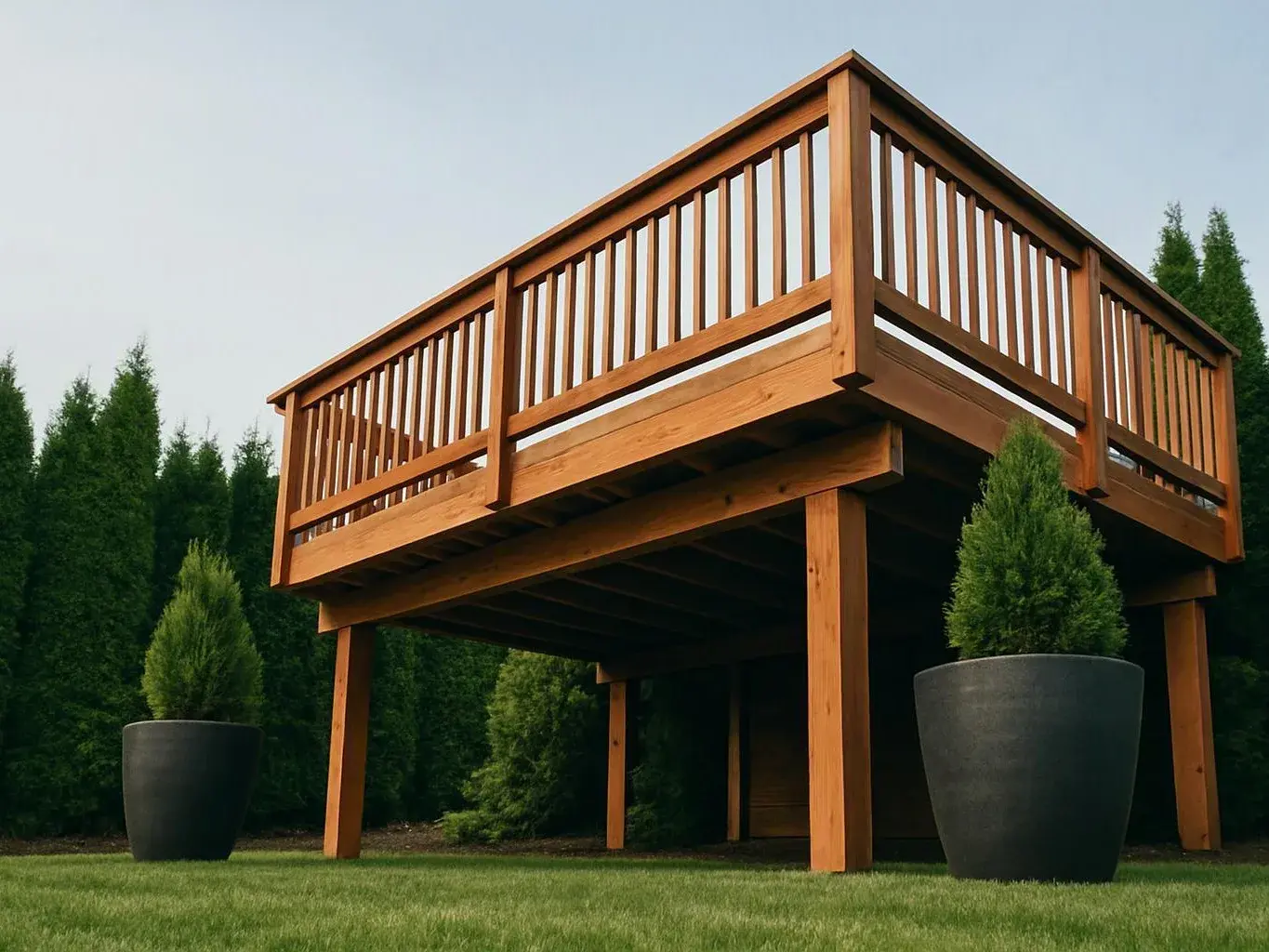
A landscape designer focuses on outdoor layout and planting, while landscape architecture training covers broader site planning and construction coordination. Our team combines formal landscape architecture training with hands-on construction experience. The right choice depends on whether your project includes planting alone or also needs walls, drainage, paving, lighting, and other built features.