For Landscaper, what signs indicate a landscape needs corrective work?
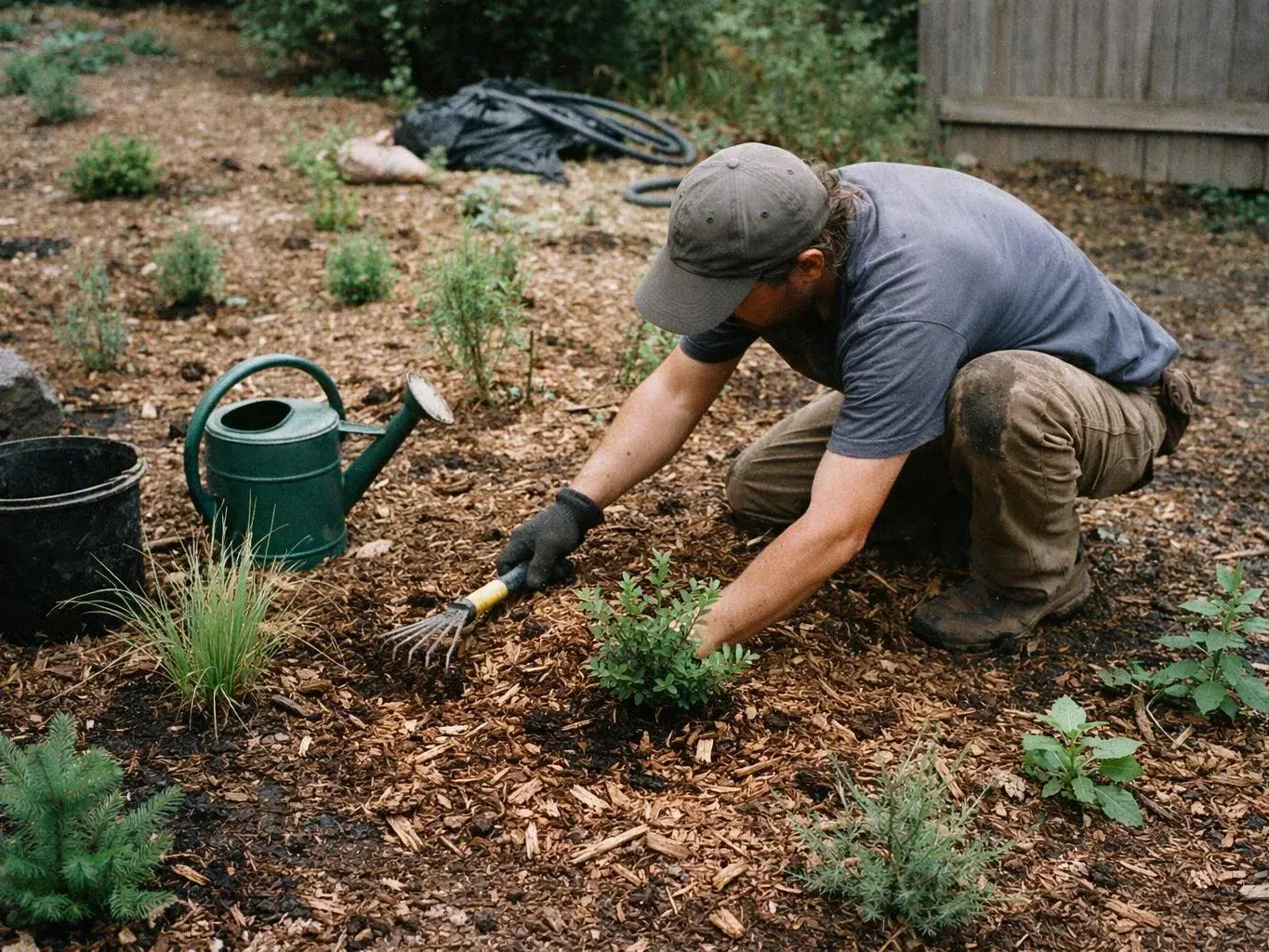
Pest damage, standing water, plant decline, bare soil, and eroded beds can indicate corrective work is needed. We inspect the affected area and look for connected causes in the soil, slope, drainage, plants, and hardscape. The findings guide the next step, which may be planting work, drainage work, bed repair, or a wider design. Photos can help explain when the issue began.
Which site conditions change the work plan for Landscaper?
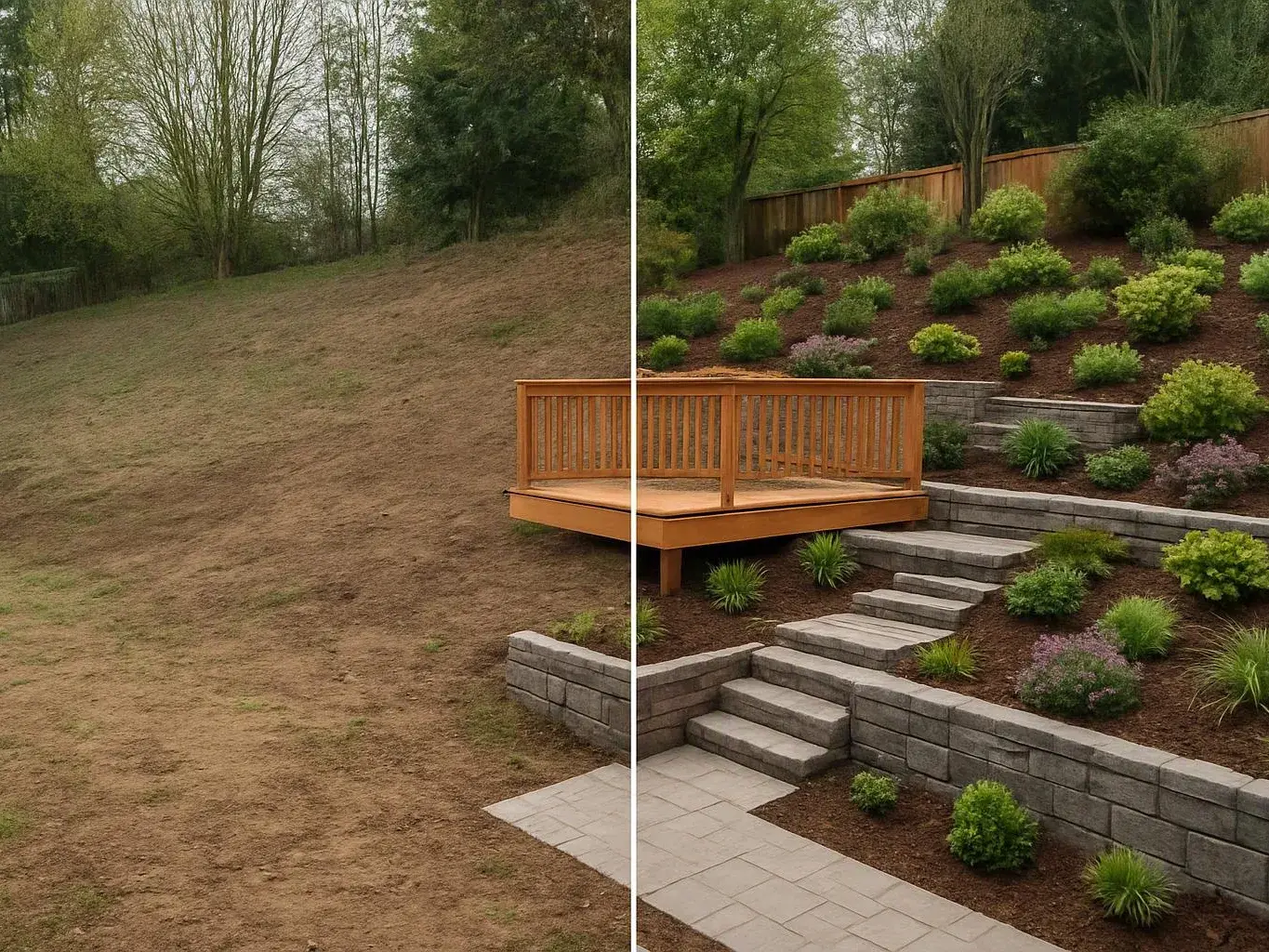
Soil, slope, drainage, plant health, access, and existing hardscape can change the work plan. A wet planting bed may need drainage or grading work before new plants are added. An eroded bed may need a wall or edge detail. We review these conditions together so the proposed work matches the cause and the property's use.
How should I prepare before the first landscaping discussion?
Photos, affected-area notes, property goals, and examples of preferred plants or materials help prepare for the first discussion. Mark where water collects and note changes in plant health or soil movement. Existing plans can also help, but we still need to review the site. These details give the design conversation a useful starting point.
What should I confirm before approving the work for Landscaper?
The approved scope should state the areas included, materials, plant work, hardscape, lighting, maintenance guidance, pricing, and warranty terms. Ask which non-irrigated plantings fall outside the one-year installation warranty. Confirm how the plan addresses the observed condition, such as erosion or plant decline. Written scope details help you compare the work with your goals.
Who installs patios, paths, and planting as one project?
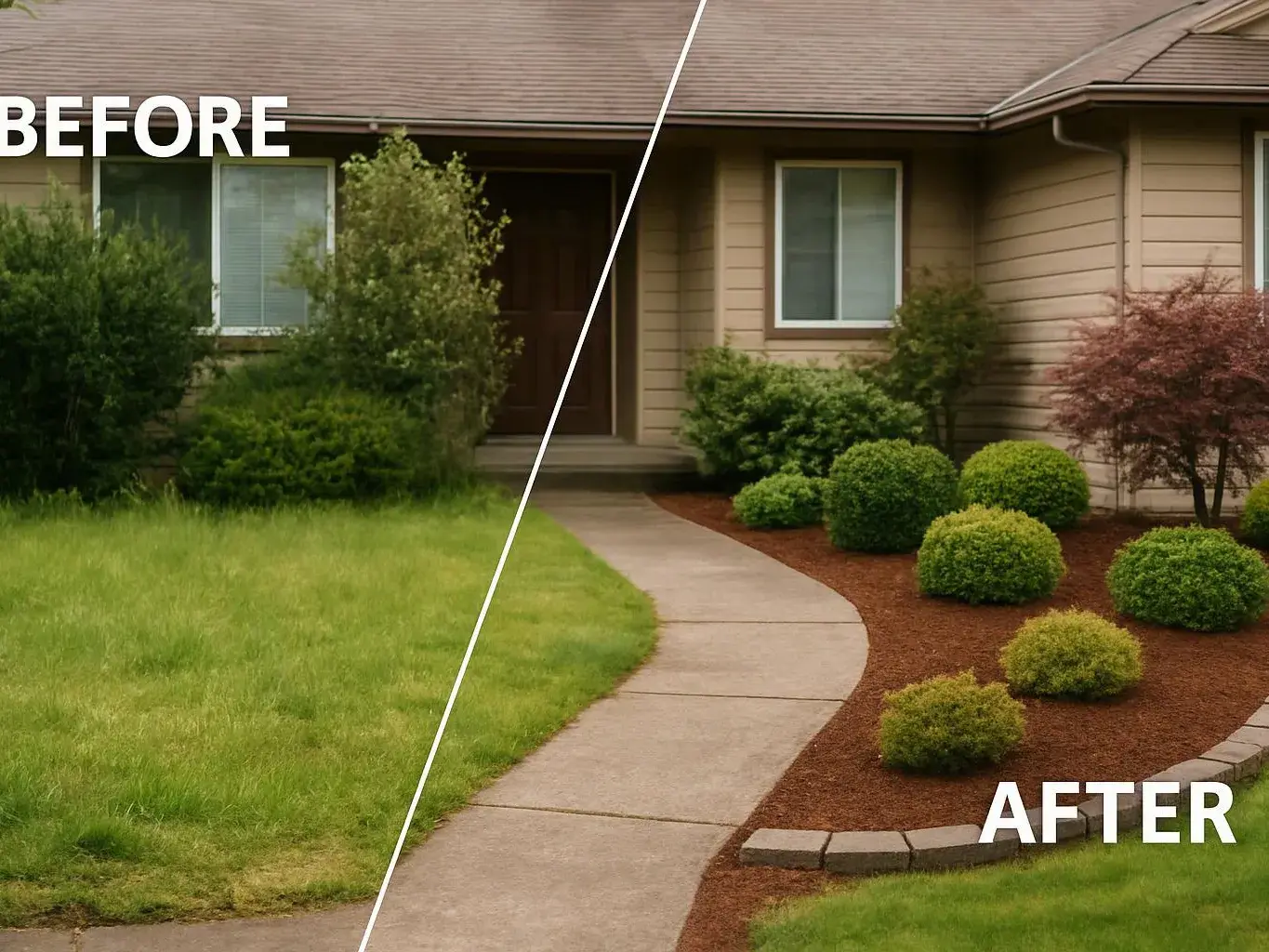
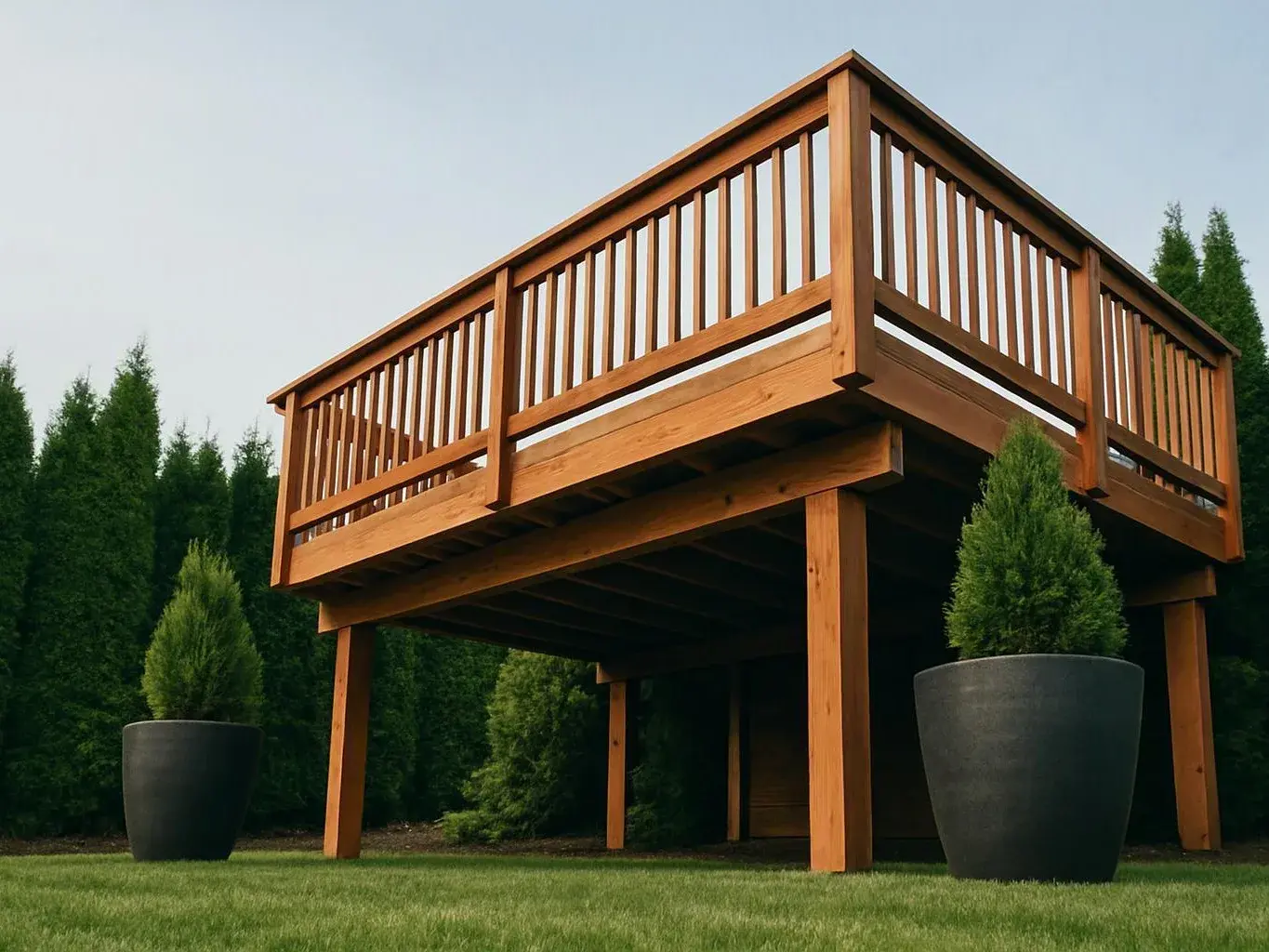
LandscaperMaplevalleywa.com installs patios, walkways, planting, retaining walls, water features, lighting, and lawns through a coordinated design-to-build process. Our team reviews the site before selecting materials and plants. This approach suits homeowners who want connected outdoor elements. A single planting bed or maintenance visit may need a smaller scope.
Why might a planting bed keep losing soil?
Runoff, slope, exposed soil, poor bed edges, or nearby construction can cause repeated soil loss. We inspect the grade, drainage route, plant roots, retaining wall, and path edge to identify the source. New plants alone may not solve the problem. The quote should address the cause and the repair work needed to protect the bed.
What makes a landscaper different from a landscape designer?
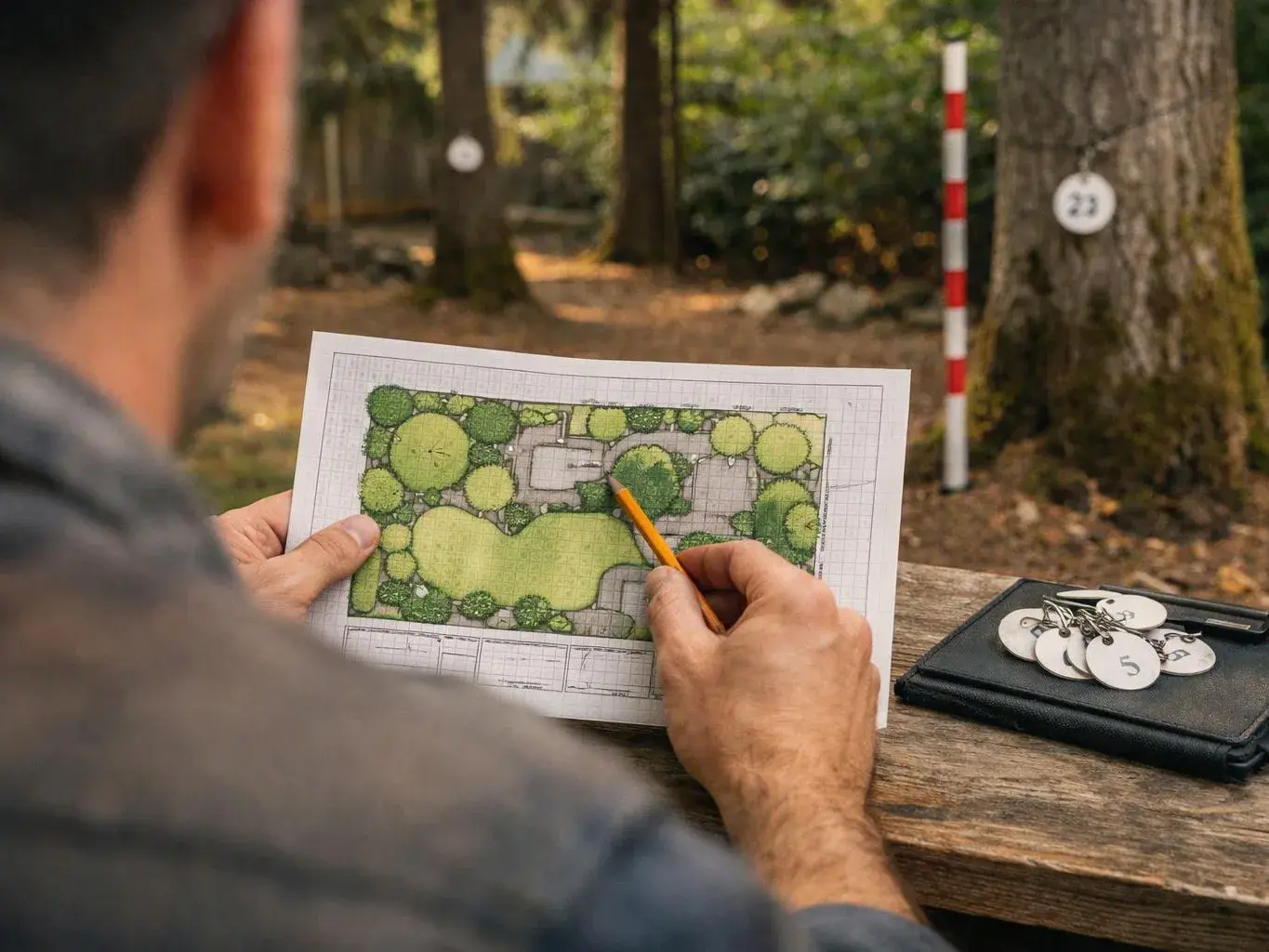
A landscaper may build and install outdoor work, while a landscape designer focuses more on planning and plant or material selection. Our service combines design planning with construction for planting, patios, walls, paths, lighting, and water features. The right choice depends on whether you need a plan only, construction only, or both parts coordinated.