What benefits can native plants provide in a landscape for Native Plant Landscaping?
Pollinator habitat is a key benefit of native plants, which can also support wildlife, water conservation, soil stability, and seasonal interest. Plant value depends on site fit, not a plant label alone. Soil, drainage, light, and bed layout guide the choices. We connect those factors with the home and explain the maintenance needed after installation.
Which site conditions change the cost of a native planting project?
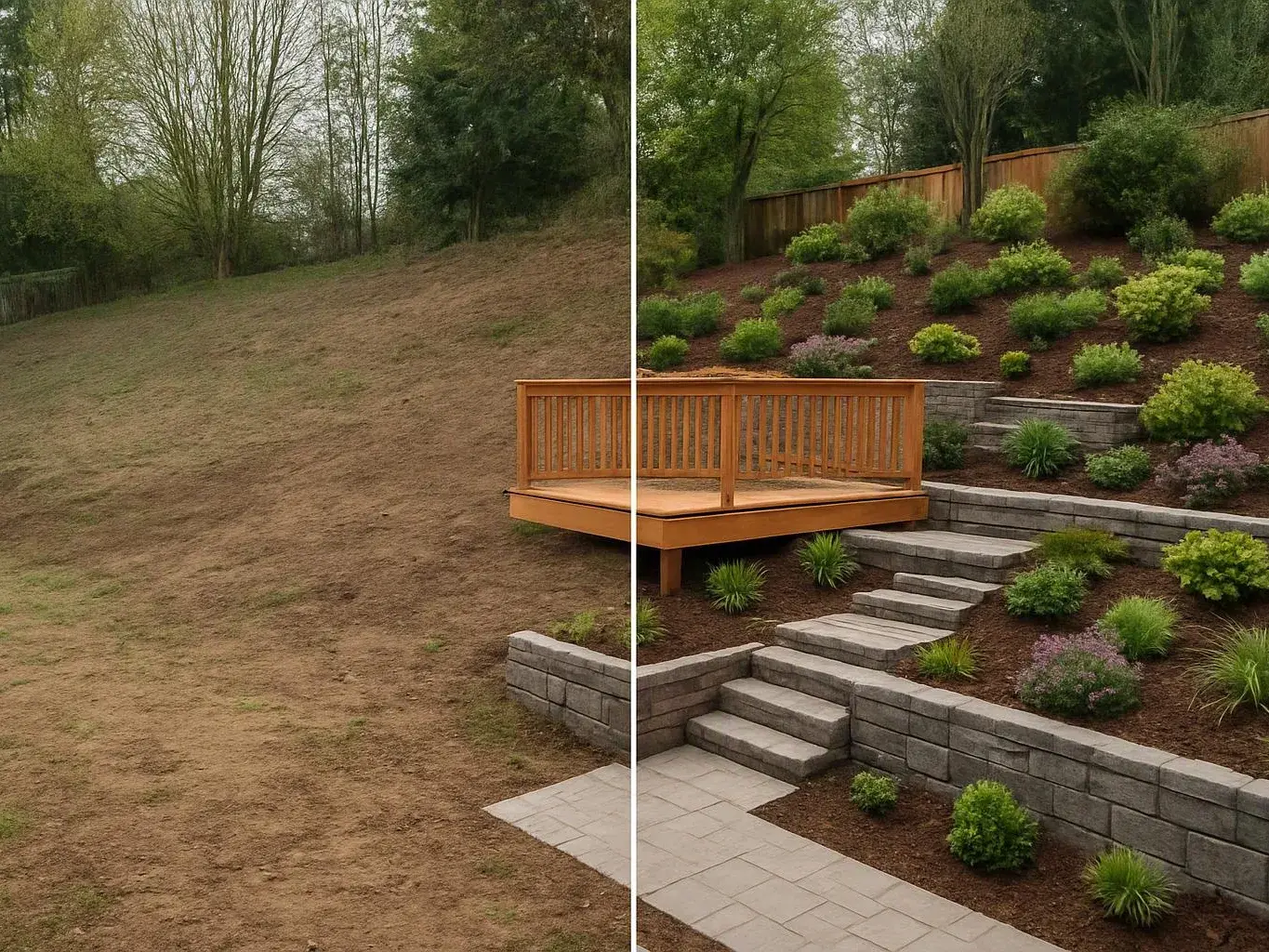
Site access, soil work, drainage needs, planting area, plant size, and related construction change the project cost. A bed beside a retaining wall may need a different scope than an open lawn area. We review these conditions before preparing a quote. The quote reflects the work requested and the property’s needs.
How does the work move from the first request to installation?
The work moves from site review to planting direction, plan preparation, construction, and care guidance. We start by looking at soil, slope, drainage, existing plants, and access. Next, we shape the layout around the home and your goals. Installation follows the agreed scope, with related yard features coordinated where needed.
Why might native planting fail to suit a property?
Native planting may not suit a property when unresolved drainage, grading, soil, or wall issues control the site. Those conditions can limit root growth and change where plants belong. We identify the controlling issue during the site review. The project may need related construction or soil work before planting proceeds.
When should I request a planting assessment?
A planting assessment makes sense before removing lawn, rebuilding beds, or adding plants around new hardscape. Early review helps connect soil, drainage, access, and plant choices in one plan. It also gives you a clearer scope for a quote. Regular maintenance needs should be part of the discussion from the start.
Who provides the planting design and installation?
LandscaperMaplevalleywa.com provides the planting design and installation. The company combines formal landscape architecture training with hands-on construction experience. Adam Gorski is a certified landscape designer and Cornell University Landscape Architecture graduate. Our team can coordinate planting with patios, walkways, walls, lighting, and water features.
What should I prepare before discussing a native planting plan?
Property photos, your planting goals, areas that stay wet or dry, and concerns about maintenance help start the discussion. Existing plans or measurements can add useful context, but the site still needs review. Tell us whether you want more habitat, less lawn, seasonal color, or a stronger connection to existing yard features.