How should native plants be selected for a successful landscape?
Sun exposure should guide native plant selection first. Soil type, drainage, mature size, and plant diversity then shape the final mix. We group plants by the conditions they can handle and leave room for future growth. This approach helps the planting plan fit the property instead of forcing one list across every bed.
What does the first site review check before planting?
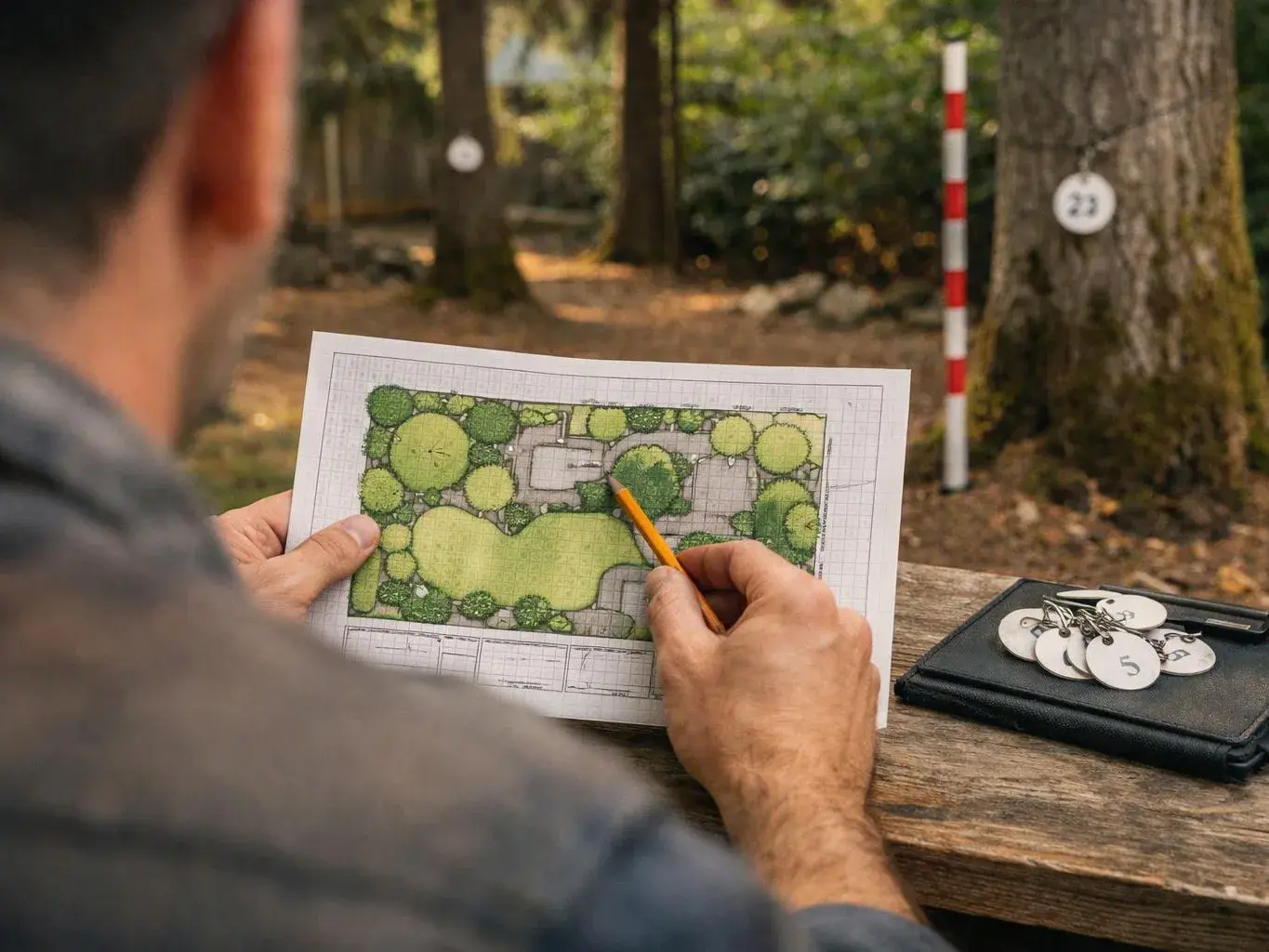
The first site review checks soil, slope, drainage, light, access, and existing landscape features. We also look at how planting areas connect with paths, walls, patios, and the home. Those findings set the design scope and show whether planting alone addresses the property's needs.
Which plants work beside a walkway as they mature?
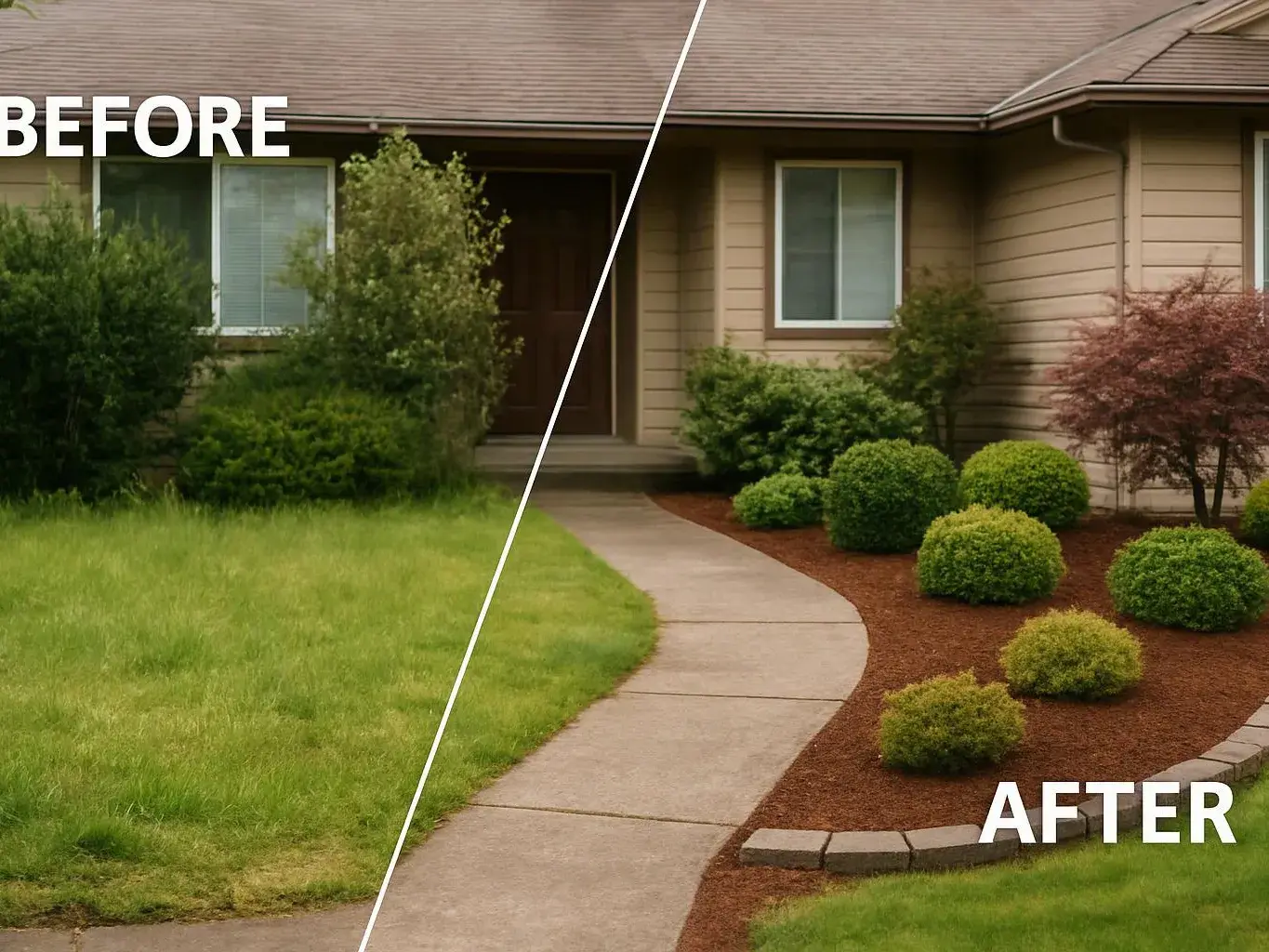
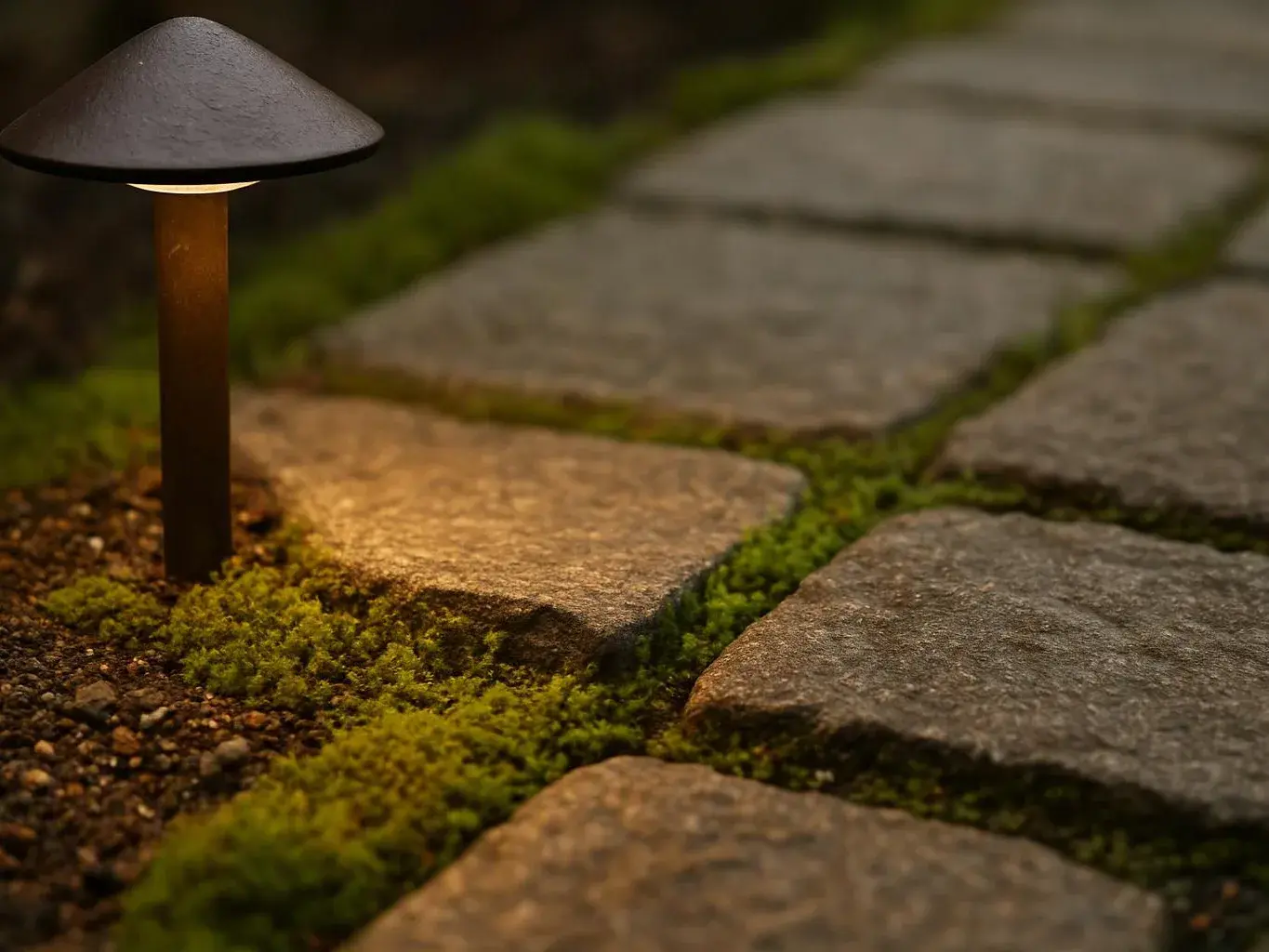
Plants with a mature size that fits the bed width work best beside a walkway. The plan should account for spread, height, root space, and sight lines. We also consider how groundcover and shrubs will affect access over time. A wider construction issue may need separate site work before planting begins.
When should a homeowner request a planting assessment?
A homeowner should request an assessment before buying plants or changing established beds. Early review helps match species to soil, drainage, light, and mature size. It also helps coordinate planting with a patio, retaining wall, path, or lighting project. Bring photos and your preferred outdoor uses so the design starts with useful context.
Why does plant diversity matter in a native garden?
Plant diversity gives a garden more varied form, texture, and growth habits. It also helps the design serve different spaces across the property. We balance the plant mix with the desired look, available room, maintenance needs, and nearby construction. The goal is a garden that works as a connected plan, not a random collection of plants.
How does the broader construction scope change the quote?
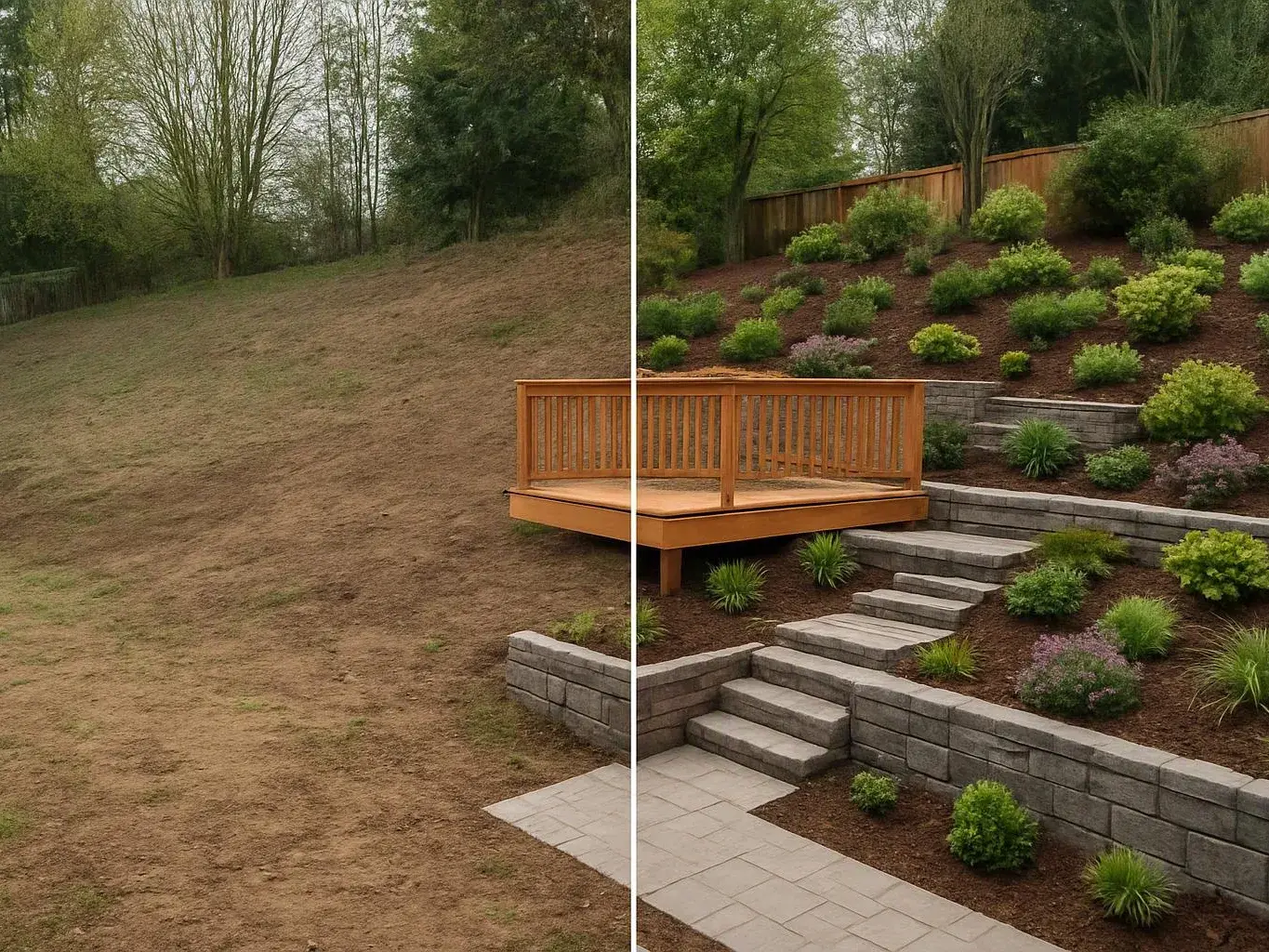
The quote changes when planting connects with construction such as retaining walls, patios, walkways, lighting, or water features. Existing soil, slope, drainage, access, and removal needs also affect the work. We review these details together and provide upfront pricing for the requested scope. Ask for a quote after the property review.
What is the difference between a landscape designer and a landscape architect for Native Plant Landscaping?
A landscape architect has formal training in landscape architecture, while a landscape designer may focus on planting and outdoor layout. The scope and credentials can differ between providers. Adam is a Cornell University Landscape Architecture graduate and a certified landscape designer. Our work also includes hands-on construction through a coordinated design-to-build process.