When planning ahead, what problems can affect native plant landscaping during the on-site evaluation?
Overcrowding can weaken plants by limiting airflow, light, and root space. Invasive weeds compete for water and nutrients, while improper watering can stress roots. Poor drainage can damage plants in wet soil, and pest pressure can affect new growth. We inspect the bed and site conditions before recommending a planting change.
How does the first site review guide plant choices?
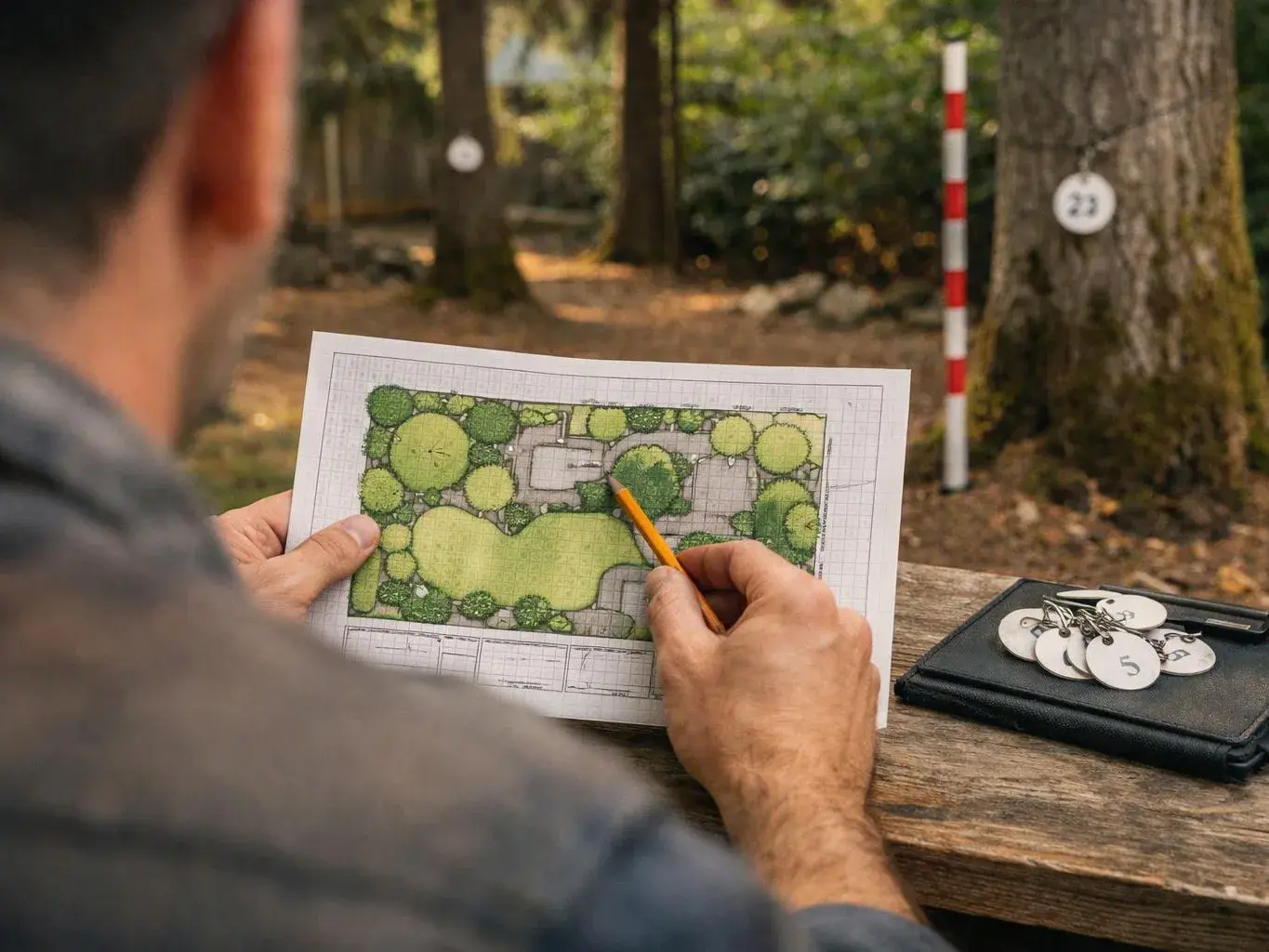
The first site review connects plant choices to soil, slope, drainage, sunlight, and access. We also look at existing plants, paths, walls, and nearby home features. Customers receive a planting direction that fits the property instead of a disconnected plant list. The review also shows where maintenance access needs protection.
Which site conditions can change the quote for Native Plant Landscaping?
Site access, soil work, drainage changes, planting area, existing plant removal, and related construction can change the quote. The scope also changes when planting connects with a patio, walkway, retaining wall, or lighting. We review those parts before giving upfront pricing for the agreed work.
When is native plant landscaping the right fit?
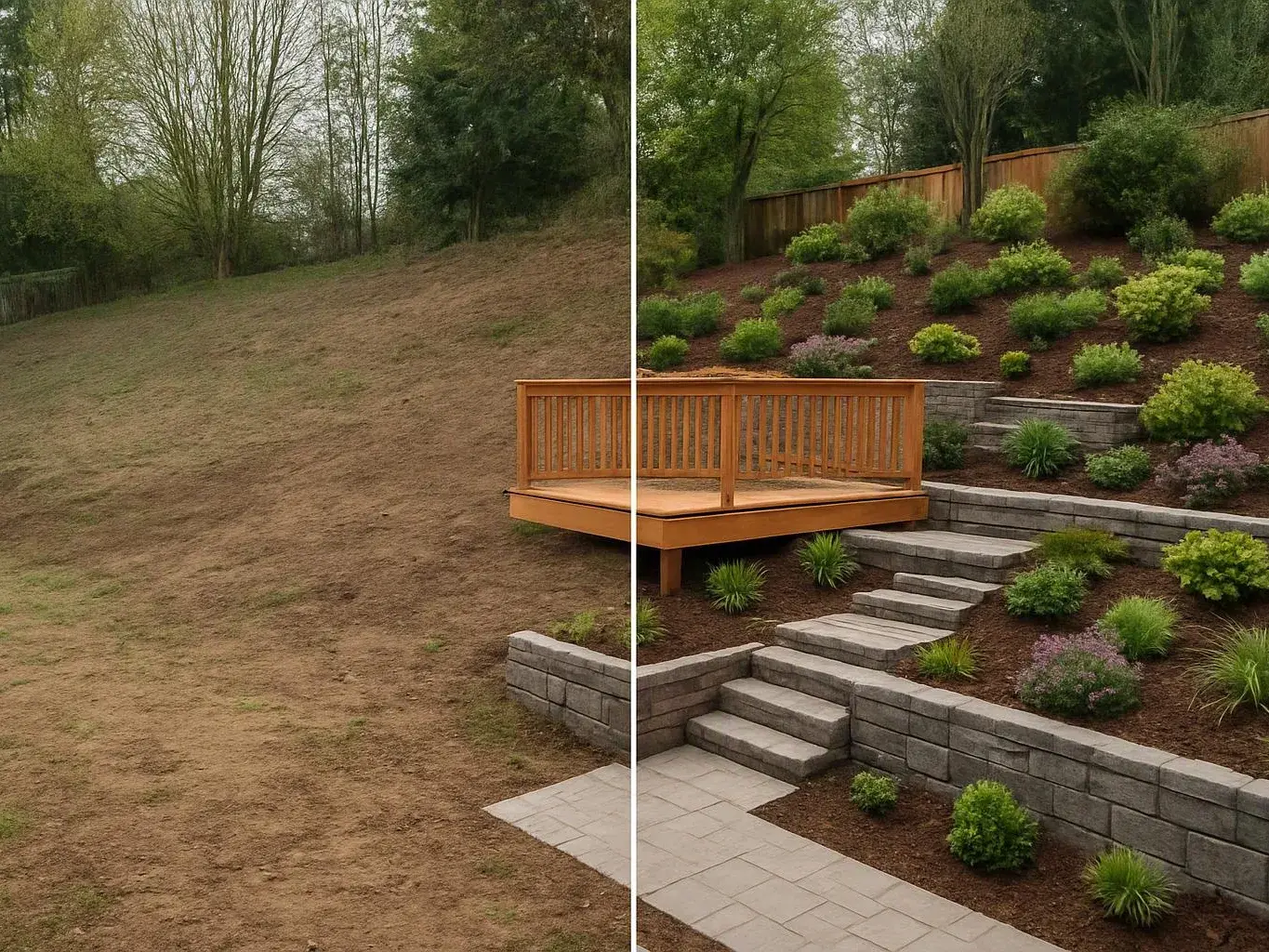
Native plant landscaping fits a property that needs planned beds, plant selection, and site-aware installation. It also suits wider outdoor projects where planting must connect with paths, walls, patios, or lighting. Routine mowing or a single lawn cut calls for a different service. We can review the property and define the right scope.
Why do new plantings develop weeds so quickly?
Weeds spread when open soil, watering, and plant spacing give them room to establish. Bed preparation, suitable spacing, and regular maintenance help limit that pressure. We check the planting layout and soil surface before suggesting changes. Customers should track where weeds return, since that pattern can point to a site or care issue.
What should I prepare before requesting an assessment for Native Plant Landscaping?
Property photos, the areas you want changed, and notes about wet or dry spots help prepare an assessment. Include paths, walls, trees, and features that must stay accessible. A simple list of plant concerns also helps. We use those details with the site review to shape the planting scope and quote.
Who provides design and installation for this work?
LandscaperMaplevalleywa.com provides design and installation through a coordinated design-to-build process. Our work covers planting, soil review, drainage planning, and related outdoor construction. Adam is a certified landscape designer and Cornell University Landscape Architecture graduate. Customers can also review our portfolio of completed landscape projects before requesting an assessment.