Skip to content

Native Plant Landscaping in City of Sammamish

Mulch application in City of Sammamish must leave plant crowns clear and allow water to reach roots. We pair that detail with soil preparation and establishment care.

5 · 36 Reviews29 Years in BusinessUpfront, Transparent PricingServing 89 Communities

Quick Summary: Native Plant Landscaping in City of Sammamish, Washington

Native Plant Landscaping in City of Sammamish is provided by LandscaperMaplevalleywa.com for homeowners across King County and the Eastside. The service covers plant selection, soil preparation, planting, watering guidance, and establishment care, with projects assessed for soil, slope, and drainage.

  • What we do: LandscaperMaplevalleywa.com provides Native Plant Landscaping for residential properties in City of Sammamish, Washington, including planting, soil preparation, root watering, and weed control.
  • What is included: Site assessment, native plant selection, planting bed preparation, root watering guidance, weed control, and establishment care.
  • What you get: Native plants are placed in prepared beds with a clear care plan for watering, weeds, and early growth.

Why do native plants struggle after installation in City of Sammamish, Washington?

Native plants often struggle when roots face compacted soil, poor drainage, dry planting beds, or early weed growth. Soil preparation, careful root watering, and regular establishment care address those risks.
Our Track Record

Years in Business
29
Average Rating
5
Customer Reviews
36

Native Plant Landscaping in City of Sammamish for Better Plant Establishment

Native Plant Landscaping suits homeowners who want planting beds that fit the property's soil, slope, drainage, and existing home. This page focuses on the early stage after installation, when watering, weeds, and soil contact decide whether plants settle in well.

Our work starts with a site review and a planting plan. We then prepare the bed, install plants, and explain the care each area needs. The buyer's main decision is whether the project needs planting alone or a wider design and build plan with paths, walls, lighting, or water features.

  • Check soil texture, compaction, slope, and drainage before planting.
  • Keep mulch away from plant crowns and stems.
  • Plan deep root watering for newly installed plants.
  • Control weeds before they compete with young plants.
  • Ask for care guidance that matches each planting bed.
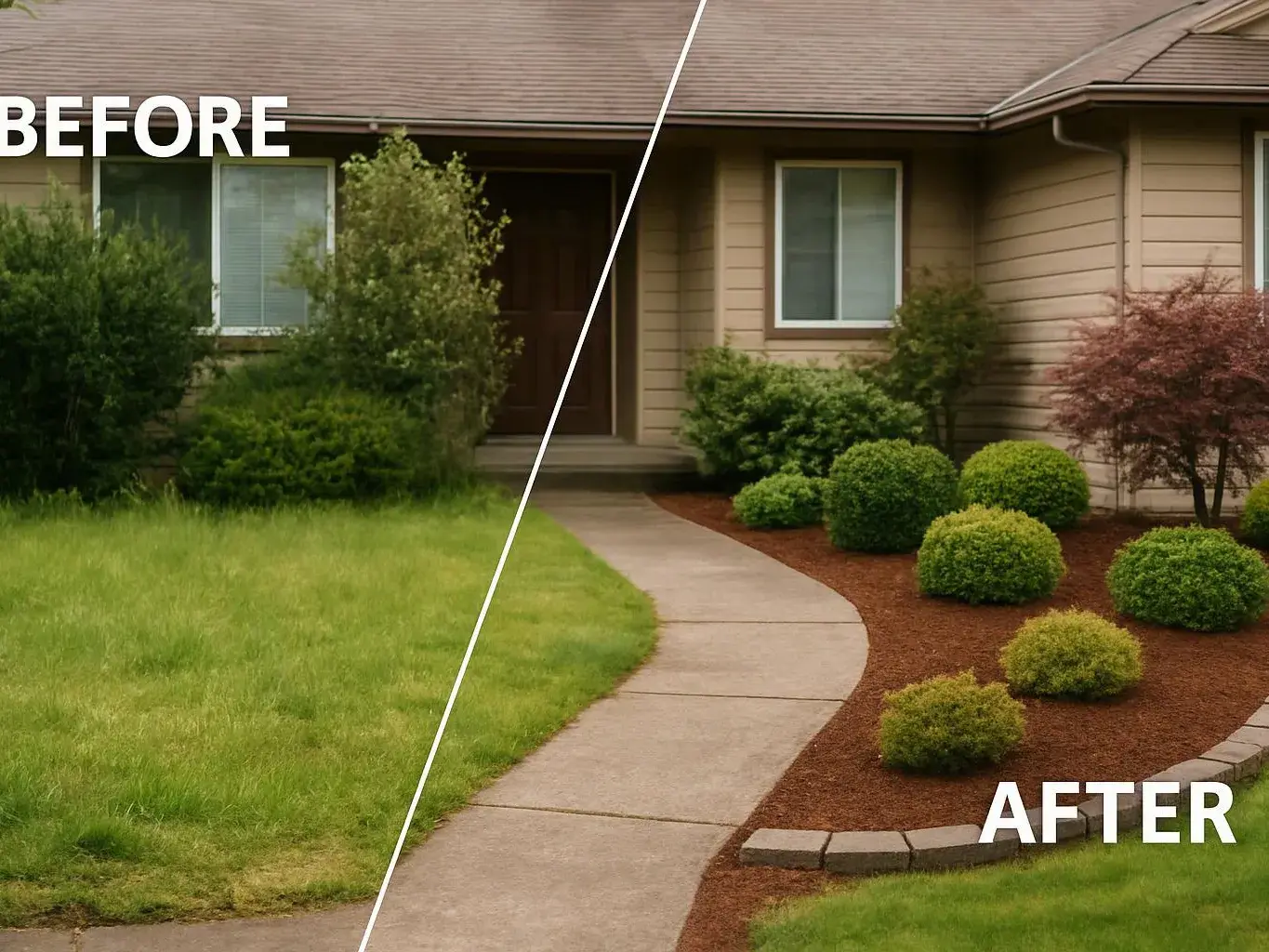
Split view of a house front yard before and after landscaping, with a curved walkway, trimmed shrubs, and lawn

Service Overview

Native Plant Landscaping is a planting service that uses regionally suited plants in a planned outdoor setting.

  • Native planting differs from lawn installation because the work centers on plant communities, soil conditions, and long-term care needs.
  • We provide Native Plant Landscaping in City of Sammamish as part of residential design and build work across King County and the Eastside.

What Native Plant Landscaping Includes for Your Property

LandscaperMaplevalleywa.com provides comprehensive Native Plant Landscaping in City of Sammamish. Here's what you get:

  • We assess soil, slope, drainage, and the way the property is used.
  • We select plants that suit the site's conditions and the planned design.
  • We prepare planting beds before placing plants and covering exposed soil.
  • We explain root watering and early care for newly installed plants.
  • We address weed control as young plants establish.
  • We provide detailed maintenance guidance for the finished planting.

What Better Plant Establishment Changes

Prepared soil gives new roots a more workable bed.

Planned watering helps roots settle below the surface.

Early weed control reduces competition around young plants.

Native planting can connect new beds with existing trees and garden areas.

A care plan helps homeowners know what to watch after installation.

Process

Steps for Establishing Native Plant Beds

1

Inspect the planting site

We check soil, slope, drainage, exposure, existing plants, and access before setting the planting scope.

2

Prepare the root zone

We prepare the soil so new roots have suitable contact and the bed can receive water.

3

Place plants at proper depth

We set each plant according to its root ball and the finished soil grade.

4

Guide early root watering

We explain where and how to water so moisture reaches the root zone without washing soil away.

5

Set establishment care

We identify weed checks, plant observations, and maintenance tasks for the early growth period.

How to Judge the Right Planting Approach

Start with site conditions

Soil, slope, drainage, and sun exposure guide the planting plan. We inspect those factors before choosing plants, so the design fits the property.

Connect planting to the whole yard

Planting works best when paths, walls, lighting, and existing trees are considered together. Our design and build experience helps coordinate those parts.

Know when planting is not enough

Native Plant Landscaping is the wrong first job when the main need is a structural retaining wall, major drainage work, or a hardscape installation.

Choosing the Right Planting Scope

This comparison helps you match the work to the condition you need addressed.

Project needBest-fit scopeMain items reviewed
New native planting bedNative plant installationSoil, drainage, plant depth, and early care
Established bed with weed pressureEstablishment care and weed controlRoot zone, plant spacing, and watering
Planting with structural site workCoordinated design and buildPlanting, paths, walls, lighting, or water features

Our Standard

  • Professional Consultation Access
  • On-Site Consultation
  • Conscious Design Practices
  • Coordinated Project Services

Customer Reviews for Native Plant Landscaping in City of Sammamish

5(36 Customer Reviews)View our Google Business Profile
B Spence
B Spence
8 months ago
Verified on Google
Adam and his team transformed our front yard, and the results exceeded our expectations. What started as a space overdue for updating is now a bright, well‑designed landscape with vibrant flowers that looked great all summer. We also really appreciate the reduced lawn area, which has made upkeep much easier. The project was completed in just a few days and included the installation of a new underground sprinkler system. Adam’s crew was courteous, detail‑focused, and consistently left the work area clean and organized at the end of each day. We’re extremely pleased with the finished product and wouldn’t hesitate to recommend Adam and his team.
Tiffanie West
Tiffanie West
3 months ago
Verified on Google
Adam and team did a fantastic job with our Yarrow Point home. He has great creativity. We love our pergola swing, retaining wall, amazing plants, pathways, water features! Our yard has been transformed and we are so excited pleased! Thanks Adam!!!!
Bryan Tomich
Bryan Tomich
9 months ago
Verified on Google
Adam has done landscaping jobs on our property, and we couldn’t be happier with the results. We managed to turn our backyard into a mini park, and the expense was more than reasonable. We also changed our high maintenance front yard into a low maintenance clean look that doesn’t demand weekly attention. When you get to the time of picking plants, Adam will meet you at the nursery and he’ll give you excellent advice as to what plants are best suited for your layout and expected results, and your plants are guaranteed for one year, so if some don’t take, he’ll replace them with new ones. Both jobs added value and usability to our place, and now we’re able to enjoy our yard year round

Questions About Native Plant Landscaping and Plant Care

What methods help native plants establish after installation?

Mulch application, prepared soil, root watering, weed control, and establishment care help native plants settle after installation. Mulch should stay clear of plant crowns and stems. Water must reach the root zone without eroding soil. Early weed checks keep young plants visible, and care guidance helps homeowners respond to stress.

How should I prepare my property before planting work begins?

Property preparation starts with access, site information, and a clear planting goal. Remove personal items from work areas and share known drainage or soil concerns. Photos and a simple sketch can help explain the current layout. We then assess the site and set the planting scope around its real conditions.

Which site details change the quote for planting work?

Planting area, soil preparation, access, plant selection, and connected construction work change the quote. A bed that needs drainage work or substantial soil preparation requires a different scope from a ready planting area. We review those details before giving a project quote.

When should I request an assessment for weak new plants?

An assessment is useful when new plants show wilt, poor growth, standing water, or heavy weed pressure. Those signs can point to root-zone problems, watering issues, or competing growth. We inspect the bed and explain which care steps or added work fit the condition.

Why does soil preparation matter for native planting?

Soil preparation gives plant roots a workable place to grow and receive water. Compacted soil can restrict roots, while poor drainage can stress plants below the surface. We review soil condition before planting and connect the preparation work to the plant choices and finished grade.

Who provides native planting and related outdoor construction?

LandscaperMaplevalleywa.com provides native planting, design, and related outdoor construction. The team includes formal landscape architecture training and hands-on construction experience. Projects can include planting, patios, walkways, retaining walls, water features, lighting, and lawn installation when those elements fit the plan.

Native Plant Landscaping in Other Areas

Contact

Request a Native Plant Landscaping Quote in City of Sammamish

Are new plants struggling or are you planning a fresh bed? Request a quote for Native Plant Landscaping in City of Sammamish, including soil preparation and establishment care.

(425) 587-8011