From initial intake onward, what problems can develop after water feature installation on a standard service call?
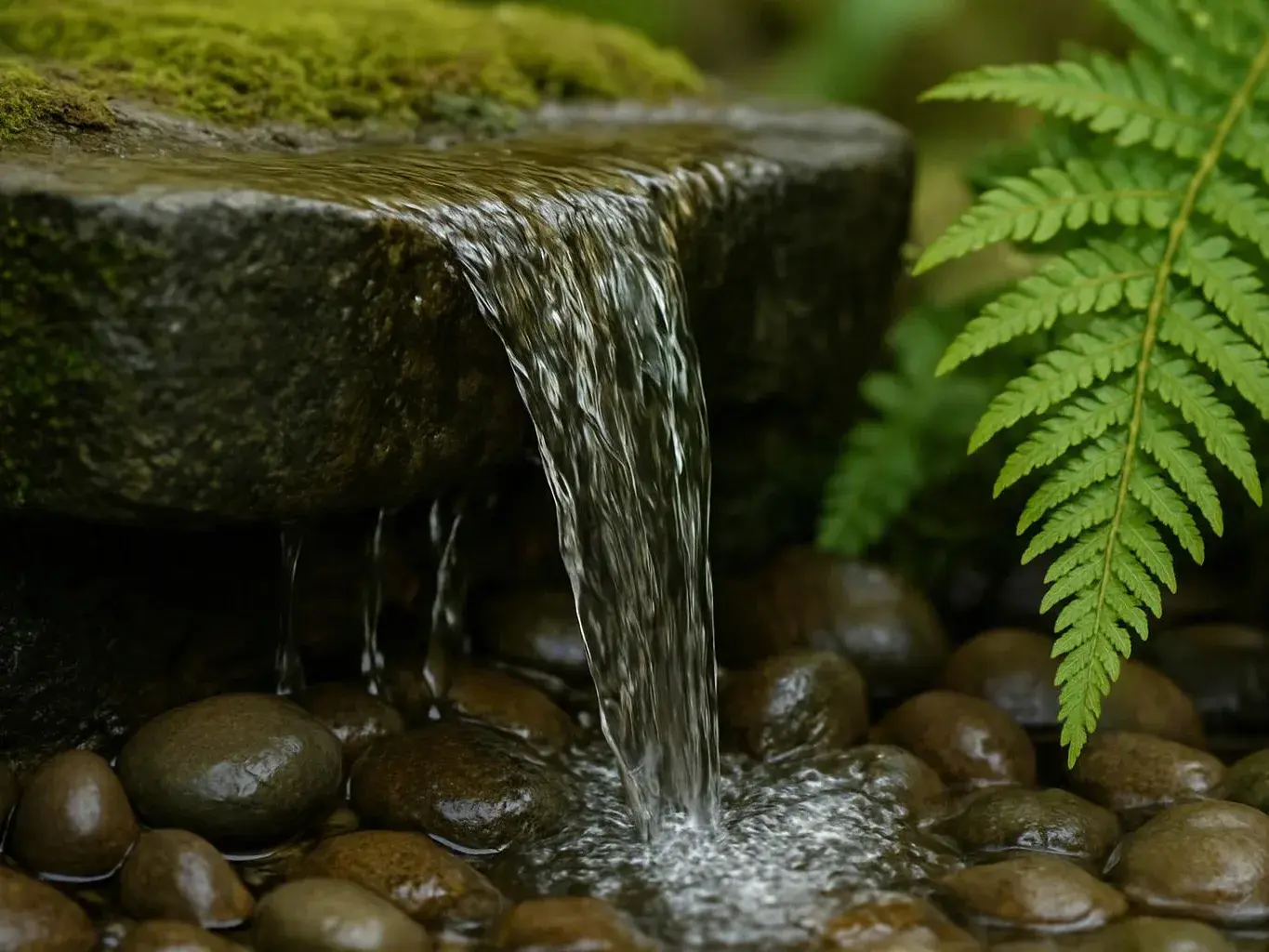
Poor circulation can lead to algae growth, pump strain, uneven water levels, and stagnant areas. Leaks can affect the basin edge or nearby planting, while ice can damage exposed parts during cold conditions. We check the pump, intake, return line, basin, fittings, and drainage before recommending cleaning, repair, or a new installation.
How does the first water feature appointment move toward construction?
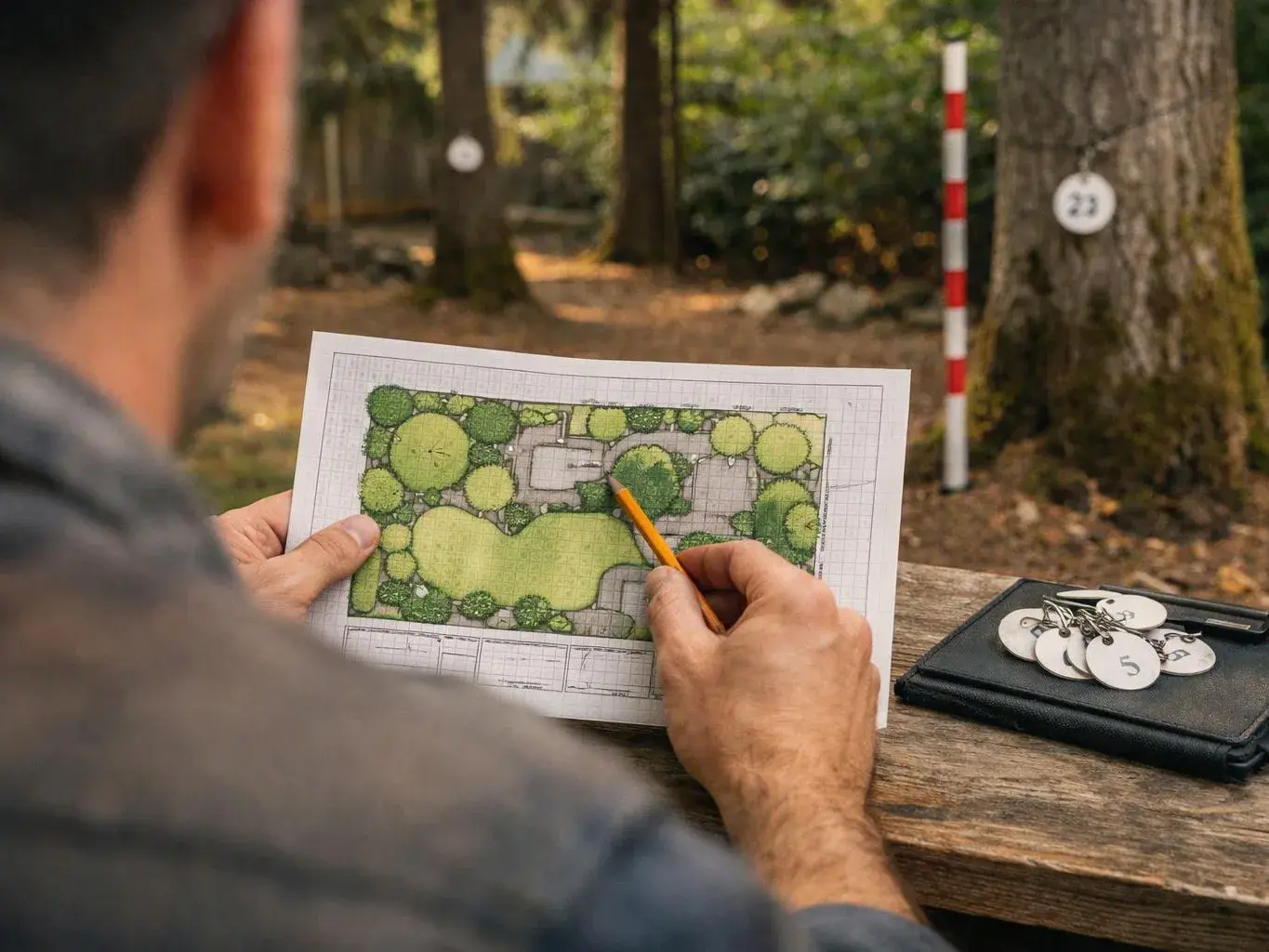
The first appointment starts with a site review and a discussion of the desired feature. We then assess soil, slope, drainage, access, and existing yard elements.
- We define the basin and circulation concept.
- We review materials and connected planting or paving.
- We prepare a quote for the agreed scope.
Construction begins after the scope and materials are settled.
Which property conditions decide the size and scope of the feature?
The available space, grade, drainage, access, and desired water movement decide the feature scope. A narrow area may suit a compact basin, while a larger setting may support a stream or pond-style layout. Existing patios, paths, planting, and service access also affect excavation and finish work.
Why does algae appear even when a pump is running?
Algae can appear when water circulation leaves still pockets or the water level changes. The pump may run while the intake, return line, basin shape, or outlet limits actual movement. We inspect the full circuit and surrounding conditions, then explain whether the fix involves cleaning, adjusting flow, replacing a part, or changing the installation.
What should a quote for this work explain?
A water feature quote should explain the planned basin, circulation system, materials, site work, and related planting or paving. It should also identify the work needed for access, drainage, and pump service. Our quote follows the site review, so the scope reflects the property and the feature the homeowner wants.
When does a water feature need a repair assessment?
A repair assessment makes sense when water levels fall, flow weakens, the pump stops, algae returns, or damp areas appear beside the basin. Clyde Hill homeowners can request an assessment when the cause is unclear. We inspect the visible parts and explain whether repair, replacement, or a new installation best fits the condition.
How does a landscape designer differ from a landscape architect on this work for Water Feature Installation?
A landscape architect has formal training in site planning and landscape systems, while a landscape designer may focus on layout, planting, and visual design. Adam Gorski is a certified landscape designer and Cornell University Landscape Architecture graduate. Our work also includes hands-on construction, so design decisions connect with the built feature.