Drip Irrigation or Sprinklers: Choosing an Irrigation System
Drip irrigation is usually better for targeted watering and planting beds, while sprinklers suit broad lawn coverage. LandscaperMaplevalleywa.com can assess the landscape, explain the trade-offs, and prepare a quote based on the system design.
Written by Adam Gorski · 29 years of local experience
Request an EstimateOptions at a Glance
Drip irrigation and sprinkler systems solve different watering problems. The best choice depends on plant coverage, layout, soil moisture, and water delivery needs.
- Drip irrigation suits plant beds, shrubs, vegetable gardens, and targeted root-zone watering.
- Sprinkler systems suit lawns and open planting areas that need broad-area coverage.
Drip Irrigation and Sprinklers: What’s the Difference?
Drip irrigation applies water slowly near plant roots, while sprinkler systems distribute water across a wider surface.
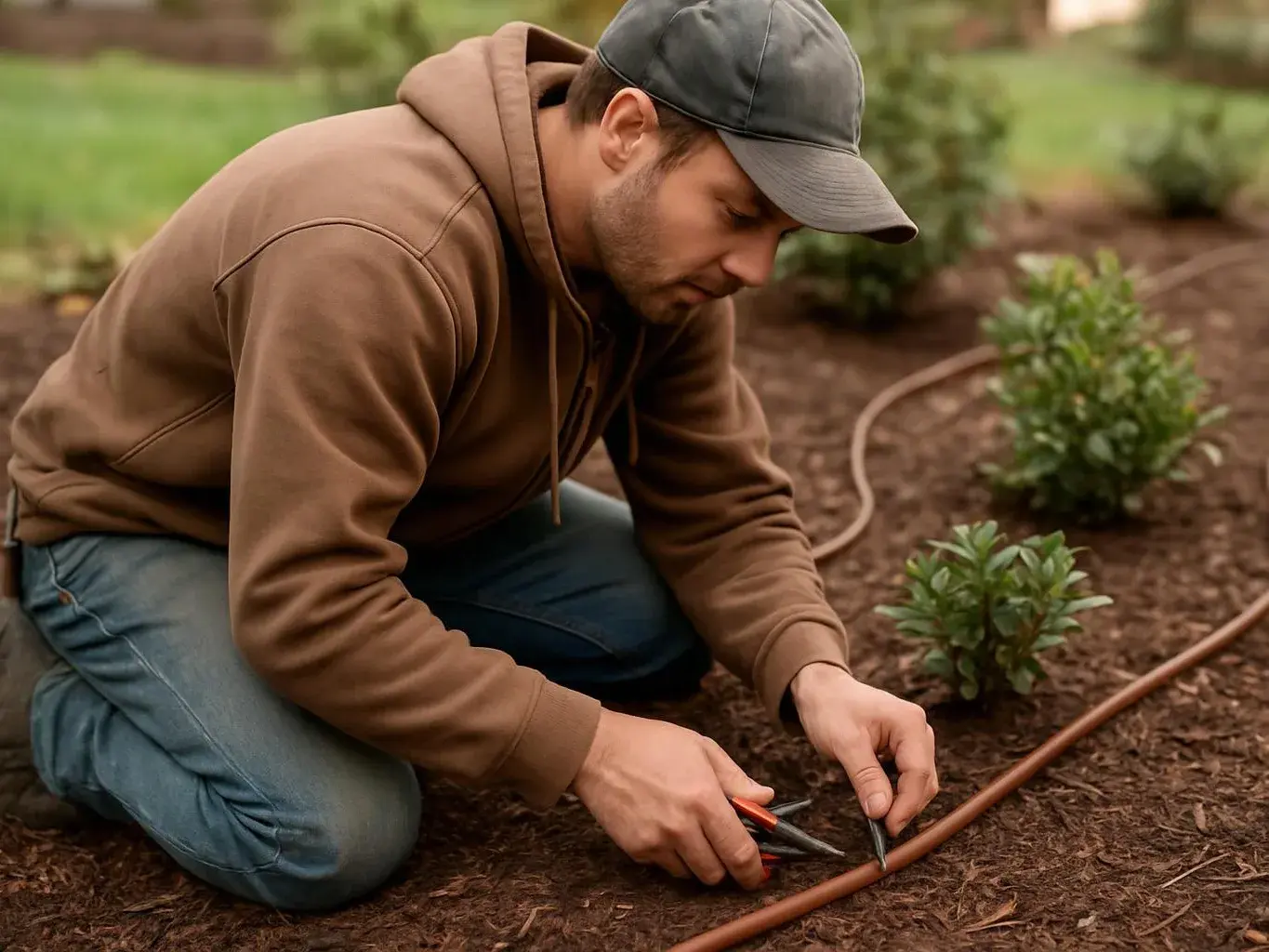
Drip emitters release water through tubing near individual plants. Sprinkler heads send water through a spray pattern or rotor across a defined area.
We divide both systems into irrigation zones so each area receives suitable watering. Zone control can also separate lawns from plant beds with different water needs.
Drip Irrigation vs Sprinklers at a Glance
The better system depends on whether the landscape needs targeted root watering or broad-area coverage. Installation cost drivers include system design, access, components, and site preparation.
| Factor | Drip irrigation | Sprinkler system | Planning note |
|---|---|---|---|
| Installation cost drivers | Drip tubing, emitters, filters, zones, and bed layout | Heads, valves, controller, trenching, and coverage design | The system design sets the quote |
| Installation timeline factors | Bed access, tubing routes, and plant spacing | Trenching, pipe routes, head placement, and surface repair | Site access and existing lines affect the work |
| Maintenance | Check emitters, tubing, filters, and leaks | Check heads, valves, controller, and spray coverage | Both systems need seasonal checks |
| Best landscape fit | Plant beds, shrubs, and vegetable gardens | Lawns and open planting areas | Plant coverage should match water delivery |
| Water efficiency | Limits overspray and water runoff near roots | Covers broad areas but can lose water to wind or evaporation | Soil type and spray pattern matter |
Drip systems focus water near plants, while sprinklers cover larger surfaces. We may combine both systems when a landscape includes lawns and separate planting beds.
Why Choose Drip Irrigation?
Drip irrigation is best for planting areas that need controlled water near individual plants. Our team can plan a Drip Irrigation Installation around plant spacing and soil conditions.
Drip irrigation needs clear tubing routes and accessible components. Blocked emitters can create dry spots, so regular checks matter.
Why Choose Sprinklers?
Sprinkler systems are best for lawns and open areas that need broad, even coverage. Our team places each head to support consistent irrigation coverage.
Sprinklers need correct head spacing and water pressure. Poor placement can cause dry areas, overspray, or runoff.
Which Irrigation System Fits Your Landscape?
The right irrigation system matches water delivery to the plants, soil, layout, and site conditions.
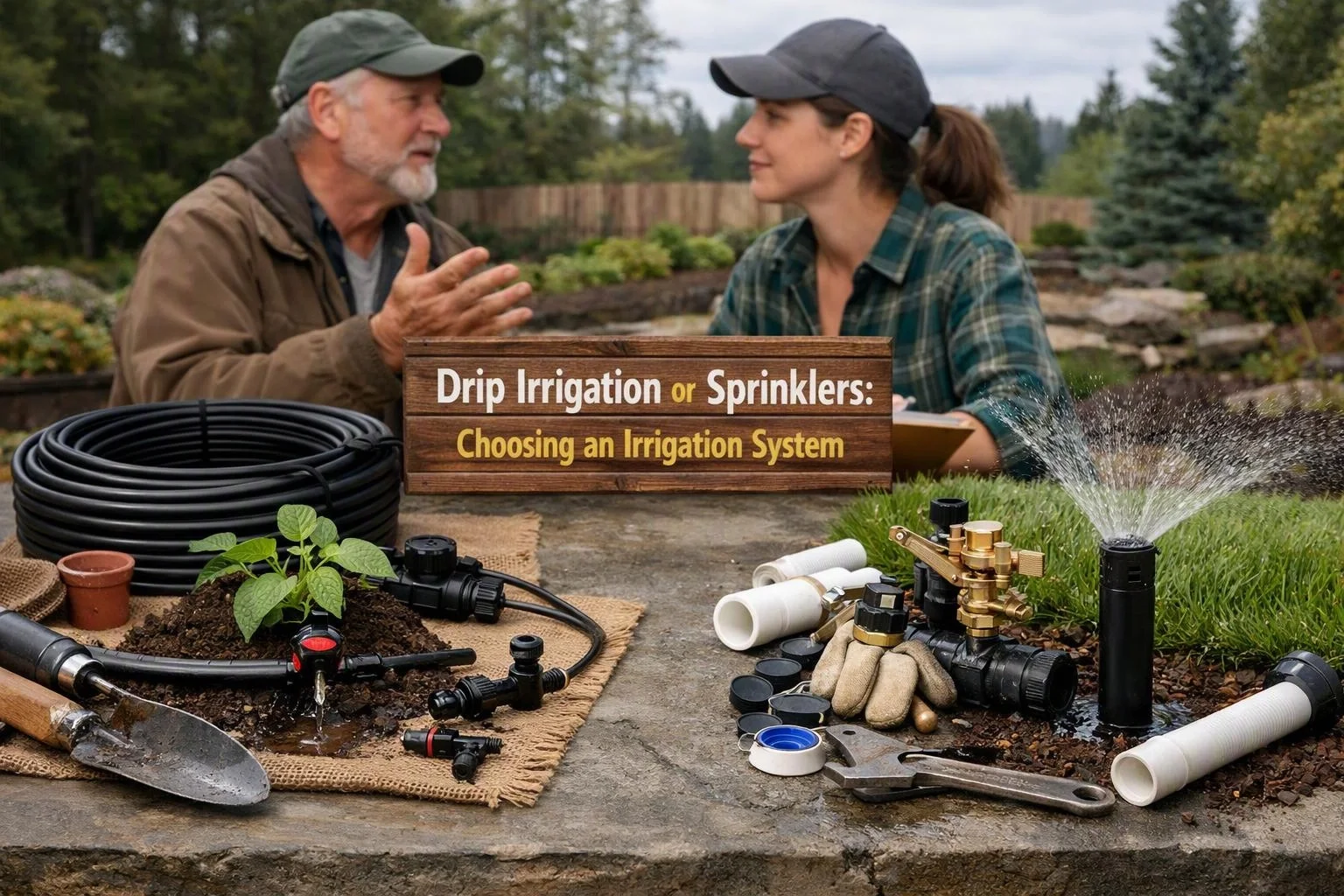
Our team reviews the landscape layout, plant type, soil type, sun exposure, and slope. We also check water pressure before assigning irrigation zones.
Native plant landscaping may need less frequent watering after establishment, but new plants still need thoughtful coverage. Micro irrigation can suit some native plant beds when emitters are placed around active root areas.
What Changes the Cost of Irrigation Installation?
Irrigation installation cost changes with system size, site preparation, components, water access, and existing landscape conditions.
Our quote considers system design, yard size, irrigation zones, trenching, the controller, and backflow prevention. Water source location, existing irrigation lines, and site access can also change the labor and materials needed.
Request an installation quote after the site assessment. We can explain which components and site conditions shape the final amount.
What’s Included in an Irrigation Installation Quote?
An irrigation installation quote should explain the planned layout, equipment, labor, testing, and any site work. Our team uses the quote to show how the system will serve each irrigation zone.
A clear quote should identify included work and important design choices. We explain how controller programming supports each zone.
How We Plan and Install a Landscape Irrigation System
LandscaperMaplevalleywa.com plans each irrigation system around the landscape, water source, and selected delivery method.
Our team explains the installation quote before work begins. We also follow applicable plumbing and backflow requirements, and regulated connections should be handled by qualified professionals.
When Does an Existing Irrigation System Need Repair?
An irrigation system needs repair when leaks, blocked emitters, broken heads, or uneven coverage affect plant watering.
Broken sprinkler heads can create dry areas or overspray. Clogged drip emitters can stop water from reaching root zones.
Leaking valves, low water pressure, and controller faults can also disrupt irrigation zones. Our team can inspect these signs and provide Irrigation System Repair based on the fault.
How Should the System Be Prepared for Winter?
Sprinkler winterization removes or isolates water from vulnerable components before freezing conditions can cause damage.
Our team checks the water shutoff, irrigation lines, valves, and backflow device. Compressed air may be used as part of a controlled winterization process when the system design allows it.
Freeze protection depends on the equipment and site conditions. Regulated water connections should be handled by our crew or another qualified professional, not through improvised DIY work.
Plan the Right Irrigation System for Your Landscape
Our team can assess the landscape, compare delivery methods, and explain what the installation quote covers.
We can plan drip irrigation installation for targeted plant watering and sprinkler system installation for broad lawn coverage. We can also review an existing system when repair, conversion, or better zone control is needed.
Contact us with your landscape goals, plant types, and current watering concerns. We’ll use those details to prepare a clear installation quote.
Questions About Choosing an Irrigation System
Can drip irrigation and sprinklers be used in the same landscape?
Yes, drip irrigation and sprinklers can serve separate irrigation zones in the same landscape. Sprinklers can cover lawns, while drip lines water plant beds and shrubs.
Is drip irrigation suitable for native plants?
Yes, drip irrigation can suit native plants when emitters match the plants’ root areas and soil conditions. Our team also considers sun exposure, slope, and the watering needs of newly planted material.
Can an existing sprinkler system be converted to drip irrigation?
Yes, an existing sprinkler system may be converted when the water pressure, valves, layout, and pipe condition support the new design. Our team checks the existing irrigation lines before recommending a conversion.
What should be checked before replacing an irrigation system?
Water pressure, irrigation zones, soil type, plant coverage, existing lines, valves, the controller, and backflow prevention should be checked before replacement. Our team uses these findings to select the right water delivery method.
Written by Adam Gorski