Low-Maintenance Landscaping: Choosing the Right Yard for Your Lifestyle
Low-maintenance landscaping combines the right plants, lawn strategy, and surface materials for the time you want to spend outdoors. LandscaperMaplevalleywa.com helps you compare native plant landscaping, artificial turf, sod, and landscape design based on your yard and routine.
Written by Adam Gorski · 29 years of local experience
Request an Estimate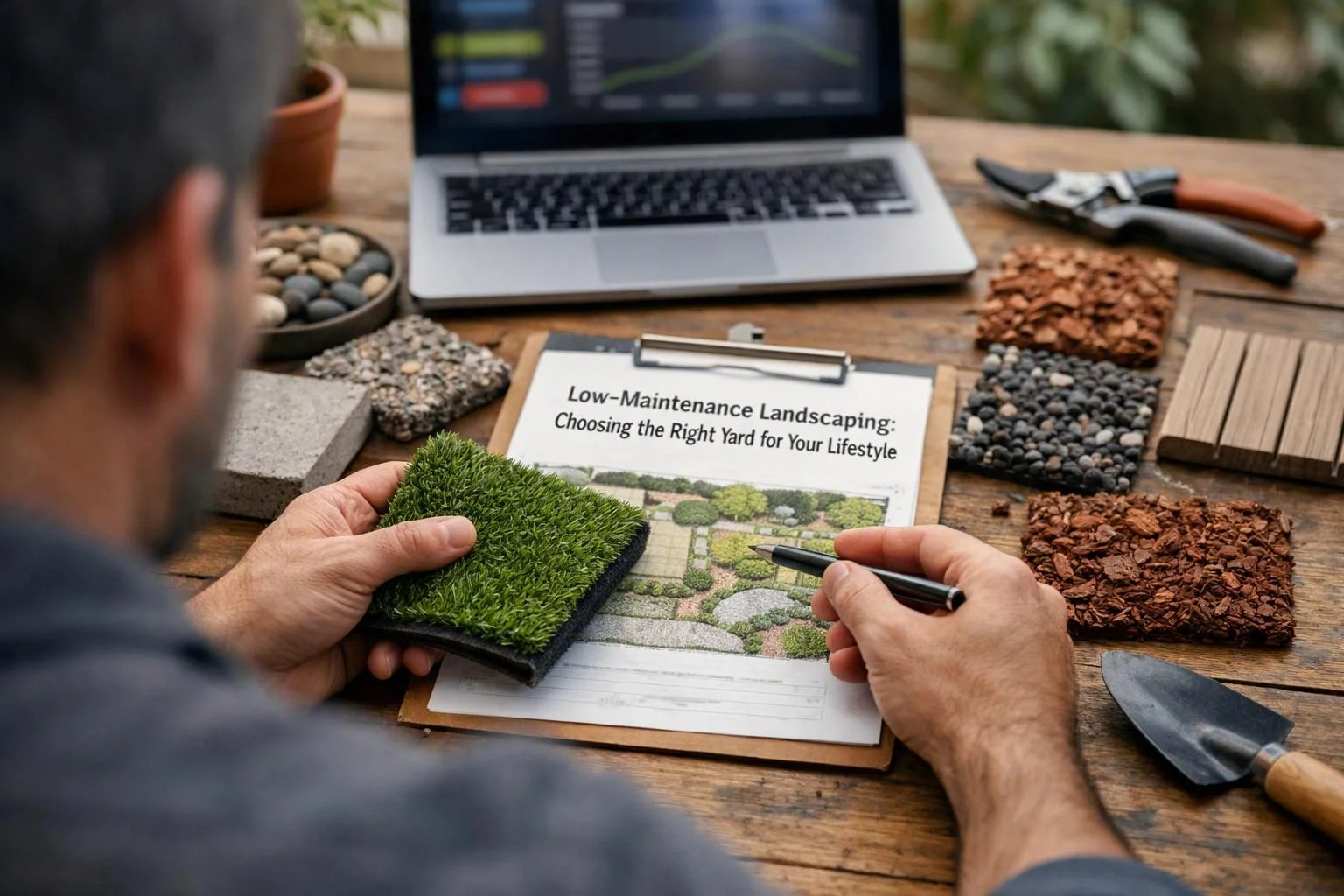
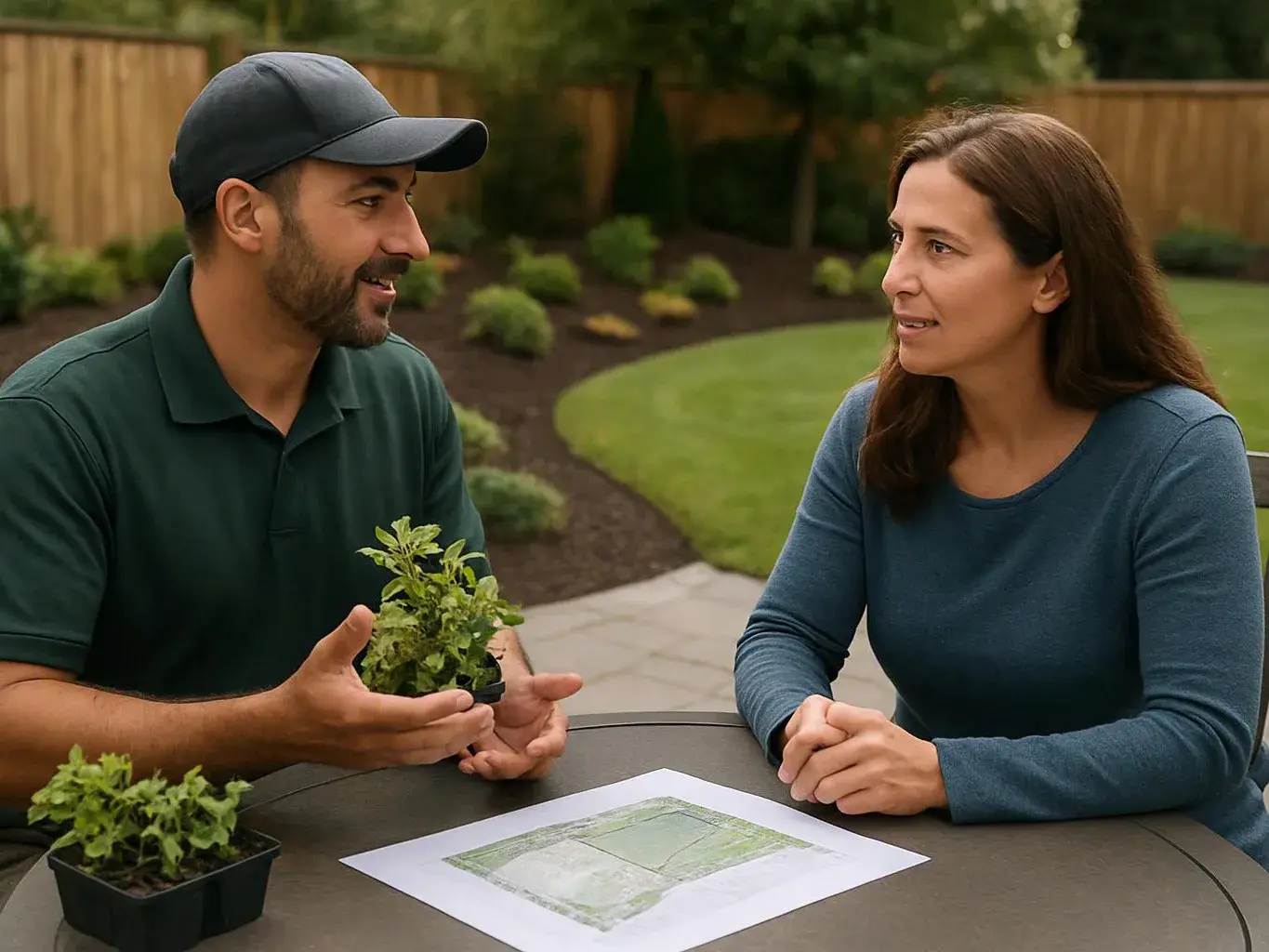
Our team can help you build a low-maintenance yard around your daily routine. Author: Adam Gorski.
What Makes a Landscape Low Maintenance?
Low-maintenance landscaping reduces recurring mowing, watering, pruning, weeding, and seasonal cleanup through thoughtful design and suitable materials.
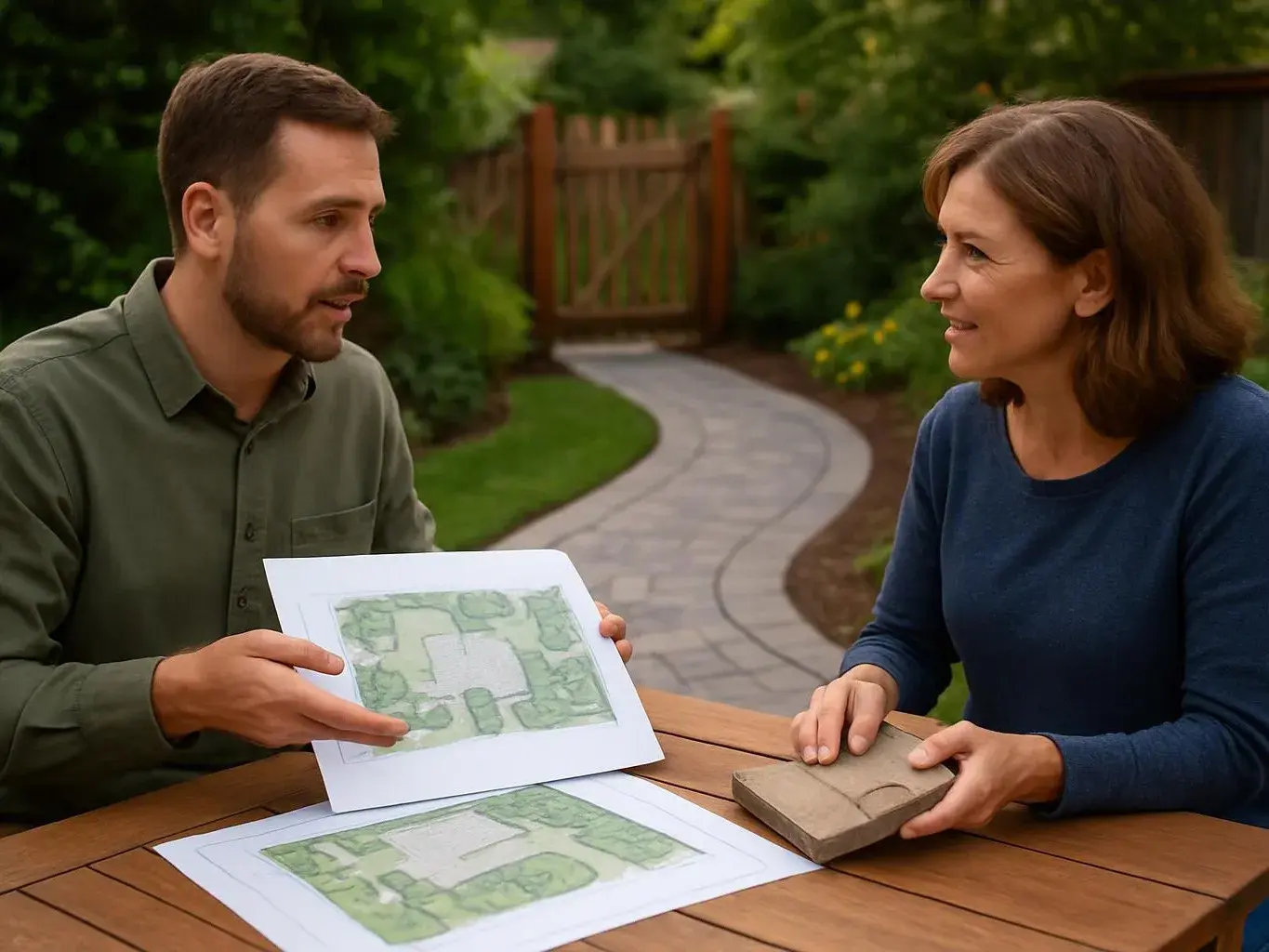
Landscape design starts with how you use the yard and how the site behaves. We review plant selection, irrigation needs, mulch coverage, and lawn care demands before shaping the plan.
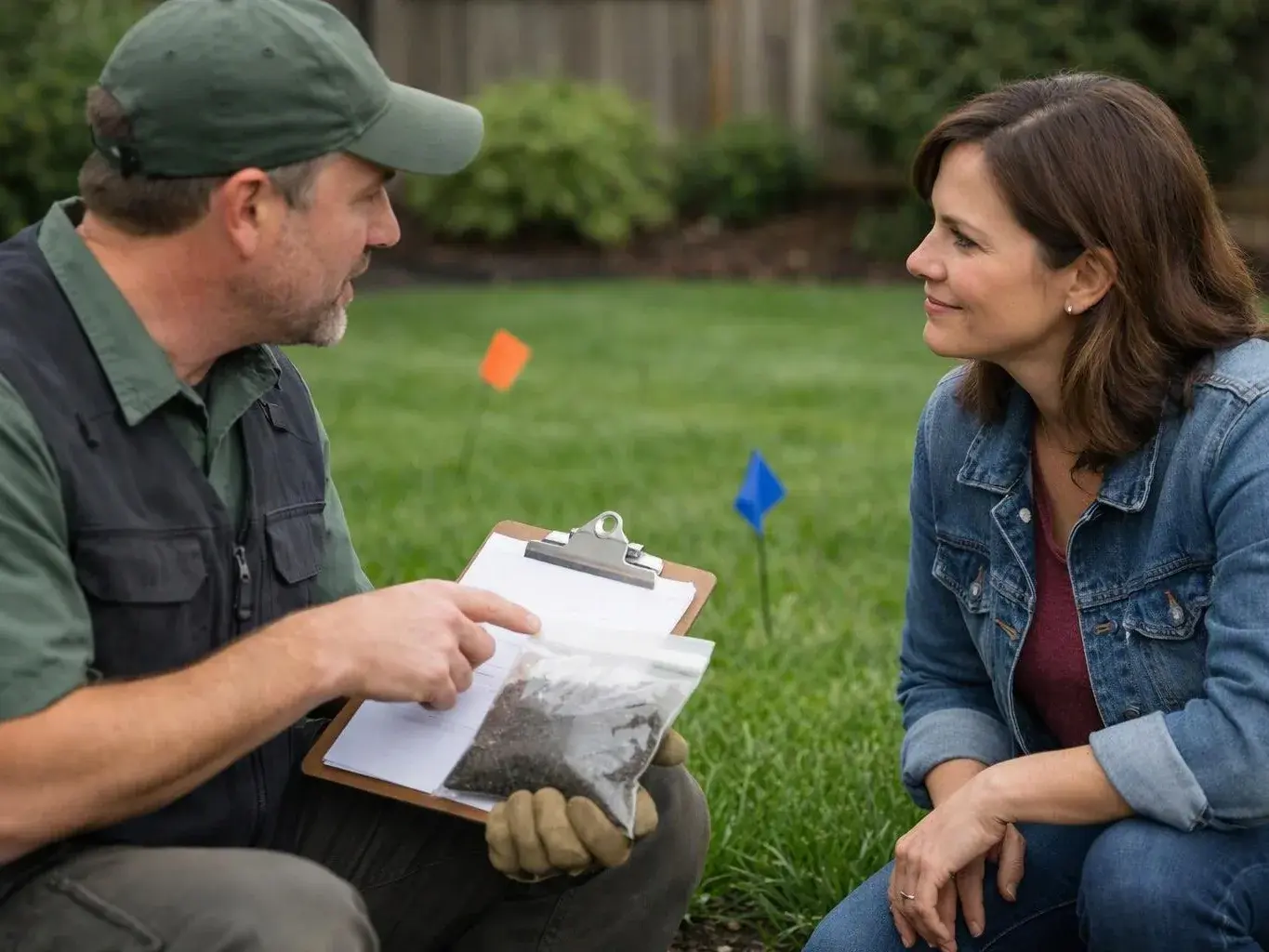
Good soil conditions also matter. Plants that suit the sun, moisture, and drainage usually need less correction throughout the season.
Our Landscape Design service helps connect these choices into one practical plan. The goal is an easy-care landscaping approach that fits your available time.
Which Landscaping Option Fits Your Lifestyle?
The right landscaping option depends on how much lawn you want, how often you can maintain it, and how your yard handles sun, shade, and water.
Each option solves a different problem. The comparison below shows where native plants, turf, sod, and reduced lawn designs may fit.
| Option | Care needs | Good fit for | Key planning point |
|---|---|---|---|
| Native plant landscaping | Seasonal watering, pruning, and weeding | Homeowners who want a natural garden | Match plants to sun, soil, and moisture |
| Artificial turf installation | Debris removal and surface cleaning | Yards needing a consistent lawn surface | Build a stable base with proper drainage |
| Sod installation | Regular mowing, watering, and lawn care | Homeowners who want natural grass quickly | Prepare soil and plan irrigation |
| Reduced-lawn landscape | Care varies by plant and surface choice | Yards with low-use grass areas | Combine planting beds, ground cover, and paths |
Natural grass can support play and open space, but it needs steady care. Ornamental planting and ground cover can reduce mowing where lawn has little daily use.
What Landscaping Requires the Least Maintenance?
Artificial turf and well-planned plant beds can require less routine care than natural grass, but every landscape still needs upkeep.
Artificial turf removes mowing and regular watering, but leaves and other debris still need removal. Surface cleaning and drainage checks also protect its appearance and function.
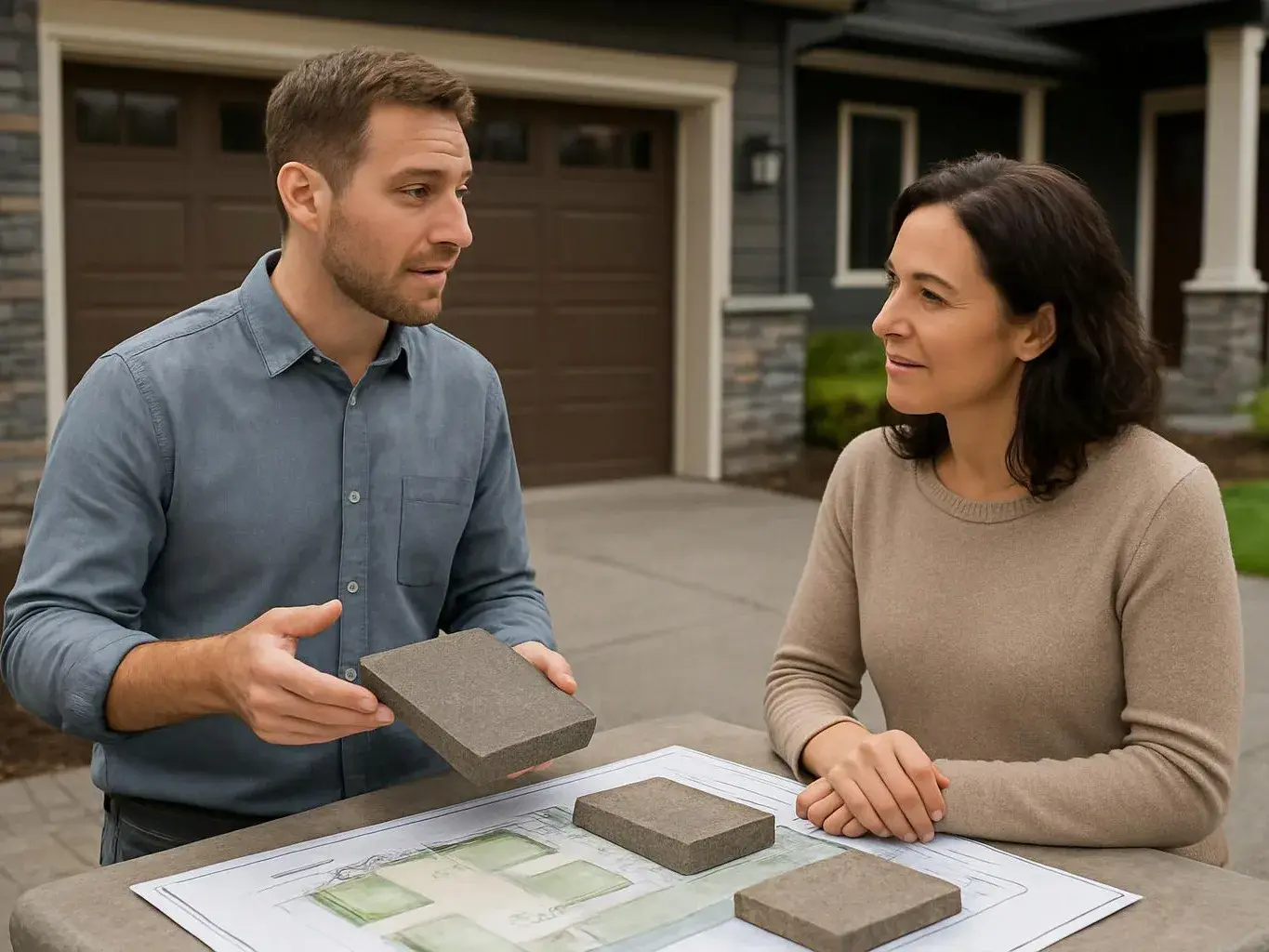
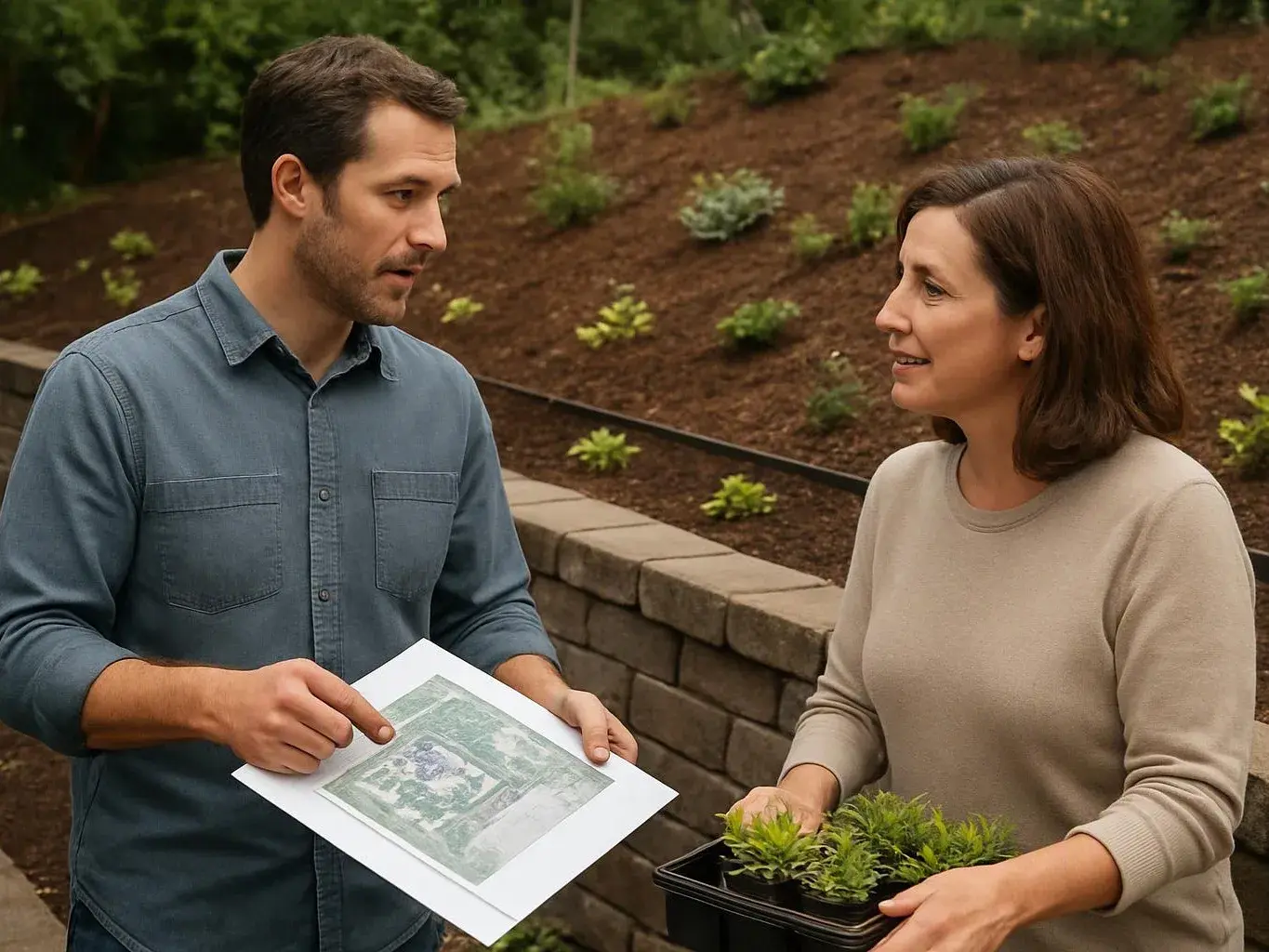
Plant beds with suitable native plants, ground covers, and mulch can limit bare soil and weed growth. Hardscape can reduce plant care in areas used for walking, seating, or access.
Weed control still matters in every landscape. A clear edge, suitable mulch depth, and healthy plant growth help reduce unwanted work.
How Can You Reduce the Amount of Lawn in Your Yard?
Lawn reduction works best when low-use grass becomes a useful part of the overall landscape plan.
Our team connects each replacement area to how you use the yard. We also consider access, drainage, and the care each material will need.
Is Artificial Turf Lower Maintenance Than Natural Grass?
Yes, artificial turf removes mowing and regular watering, but it still needs cleaning, debris removal, and a suitable base.
Natural grass needs mowing, watering, edging, and seasonal lawn care. Artificial grass removes much of that routine work, but it cannot correct poor drainage or unstable soil.
Our artificial turf installation process considers the base, slope, drainage, and nearby surfaces. These details help the finished area shed water and stay usable.
Artificial turf may suit busy households, compact yards, and spaces where regular mowing is difficult. Natural grass may suit buyers who prefer a living lawn and accept its care needs.
Which Plants Work Well in Shaded or Soggy Areas?
Shade plants suit low-light areas, while moisture-tolerant plants suit soggy soil; the planting choice must match the site.
Shade-tolerant plants need less direct sun, but they still need suitable soil and root space. Wet-soil plants handle higher soil moisture, yet standing water may point to a drainage problem.
We review soil moisture, root conditions, drainage, and plant hardiness before recommending a planting mix. Native plants can work well when their natural growing needs match the site.
A rain garden may help manage runoff when the grading and soil conditions support it. Our team uses the landscape plan to place moisture-tolerant plants where they can grow well.
How We Match a Yard to Your Maintenance Goals
Our team matches a yard to your maintenance goals through a site assessment and a clear landscape plan.
We study how the property works before choosing materials or defining the installation scope.
What Changes the Cost of a Low-Maintenance Landscape?
Low-maintenance landscaping cost depends on the design, site preparation, materials, access, drainage needs, and installation scope.
Landscape design becomes more involved when the yard needs several surfaces or planting zones. Plant quantity, mulch beds, soil improvement, and grading also change the work required.
Turf removal can add preparation work before artificial turf installation or sod installation. Drainage corrections may also affect the plan when water collects or flows toward structures.
We review these conditions during the landscape consultation. Our quote explains the selected materials, preparation tasks, and installation scope for your yard.
How to Request a Low-Maintenance Landscaping Quote
We prepare a quote after reviewing your yard, maintenance goals, preferred materials, and required preparation work.
Start by sharing how you use the space and which tasks you want to reduce. Photos, access details, and notes about standing water can help our team prepare for the site review.
During the landscape consultation, we discuss design preferences, material selection, drainage, planting, and lawn needs. We then explain the project scope so you can make a clear decision.
To request a quote, contact our team and tell us what you want your low-maintenance yard to do.
Questions About Low-Maintenance Landscaping
What is the easiest landscaping to maintain?
Artificial turf and simple planting beds often need less routine care than natural grass. The easiest option still depends on drainage, soil conditions, shade, and the amount of cleaning or seasonal care you accept.
What is the best alternative to a grass lawn?
The best lawn alternative depends on yard use, sun exposure, soil moisture, and your preferred care level. Artificial turf, ground cover, mulch beds, planting beds, and pathways can each replace lawn in suitable areas.
Can native plants make a yard easier to maintain?
Yes, native plants can make a yard easier to maintain when their growing needs match the site. Plant selection still needs to account for sun, soil drainage, moisture, root conditions, and mature size.
How do I choose low-maintenance plants for my yard?
Choose low-maintenance plants by matching plant hardiness, sun exposure, soil moisture, drainage, and root conditions. Our team reviews these factors before adding plants to the landscape plan.
Does low-maintenance landscaping still need irrigation?
Yes, low-maintenance landscaping may still need irrigation during establishment or dry conditions. The irrigation plan depends on plant selection, soil conditions, sun exposure, and drainage.
Related Resources
Landscape Architect, Designer, or Design-Build Contractor: Which Should You Hire?
Compared ToLandscape Design Only or Design-Build: Which Route Fits Your Project?
Compared ToDrip Irrigation or Sprinklers: Choosing an Irrigation System
Compared ToSod or Artificial Turf: Comparing Lawn Installation Options