What a Well-Planned Landscape Can Improve
The benefits of landscape design include better outdoor use, healthier planting, improved drainage, erosion control, and easier maintenance. LandscaperMaplevalleywa.com plans each element around the site, soil, slope, water flow, and how you use the yard.
Written by Adam Gorski · 29 years of local experience
Request an EstimateWhat Can Landscape Design Improve?
Landscape design can improve how a yard looks, works, handles water, and supports daily use.
Our team connects outdoor living space, site planning, and plant selection to the conditions on your property. We review soil, sun exposure, slope, and drainage flow before shaping the landscape plan.
Good planning can create usable yard space, stronger curb appeal, and better outdoor comfort. It can also guide water runoff away from problem areas and support healthier plant growth.
Adam Gorski provides the expert guidance behind our landscape design service.
Our Landscape Design service brings planting, grading, pathways, and drainage into one coordinated plan.
Benefits of a Landscape Planned Around Your Yard
A landscape planned around your yard connects each feature to a clear use and site condition. The result can be easier movement, healthier planting, and more controlled water flow.
| Landscape goal | How planning helps |
|---|---|
| Yard usability | Paths, planting beds, and open areas support access and daily activities. |
| Stormwater management | Grading and planted areas help guide and slow water runoff. |
| Erosion control | Groundcover, roots, and retaining features help stabilize exposed soil. |
| Native plants | Plants suited to the site can support soil health, plant diversity, and pollinator habitat. |
| Privacy planting | Layered plants can define outdoor areas while considering shade and access. |
| Maintenance planning | Plant spacing, mulch, and access can make seasonal care more manageable. |
We use these goals to build a landscape that fits the property and your routine. A well-matched plan supports outdoor comfort without treating appearance as the only goal.
How Can Landscaping Make a Sloped Yard More Usable?
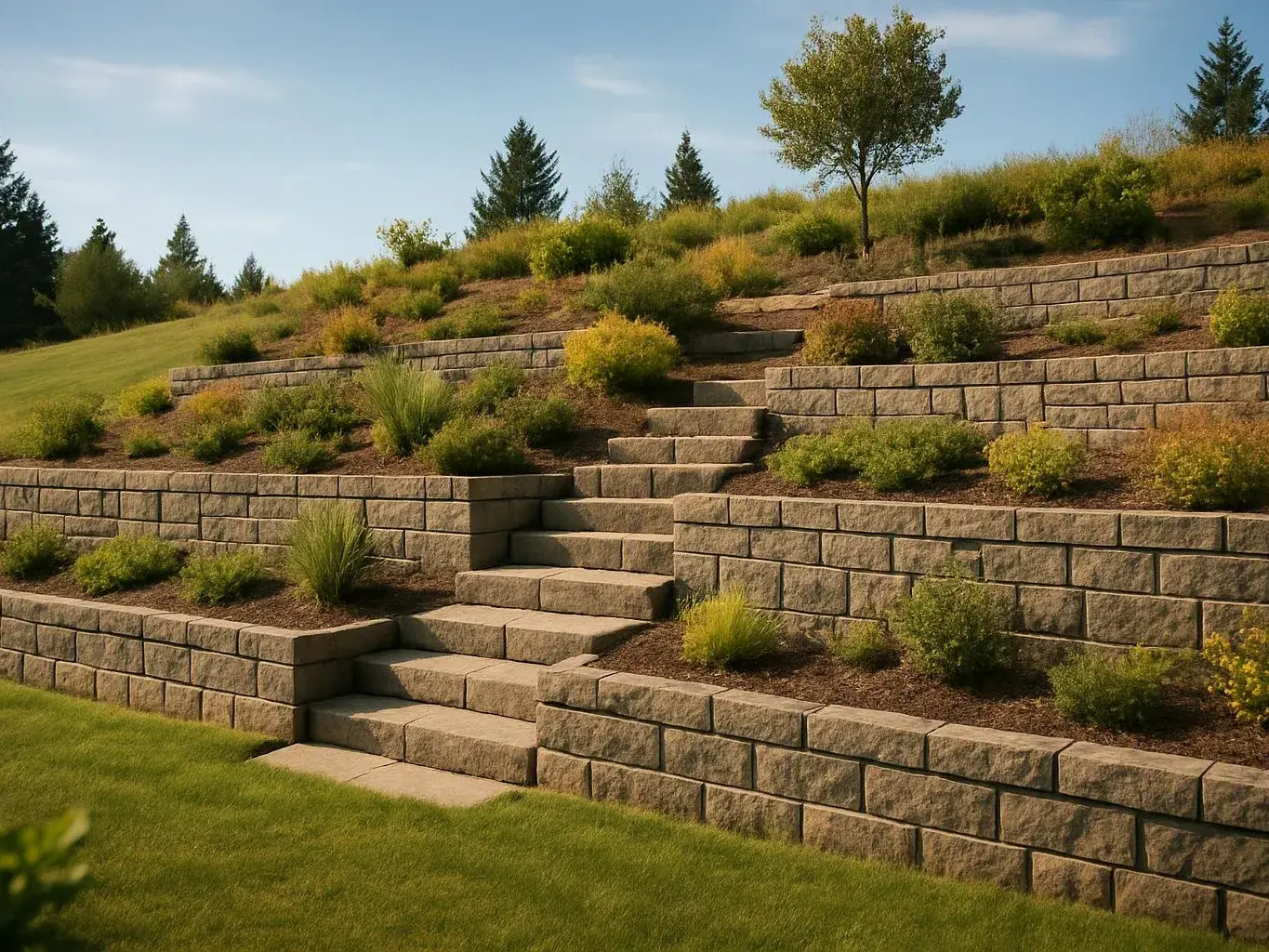
Landscaping can make a sloped yard more usable by directing movement, slowing runoff, and dividing the grade into practical areas.
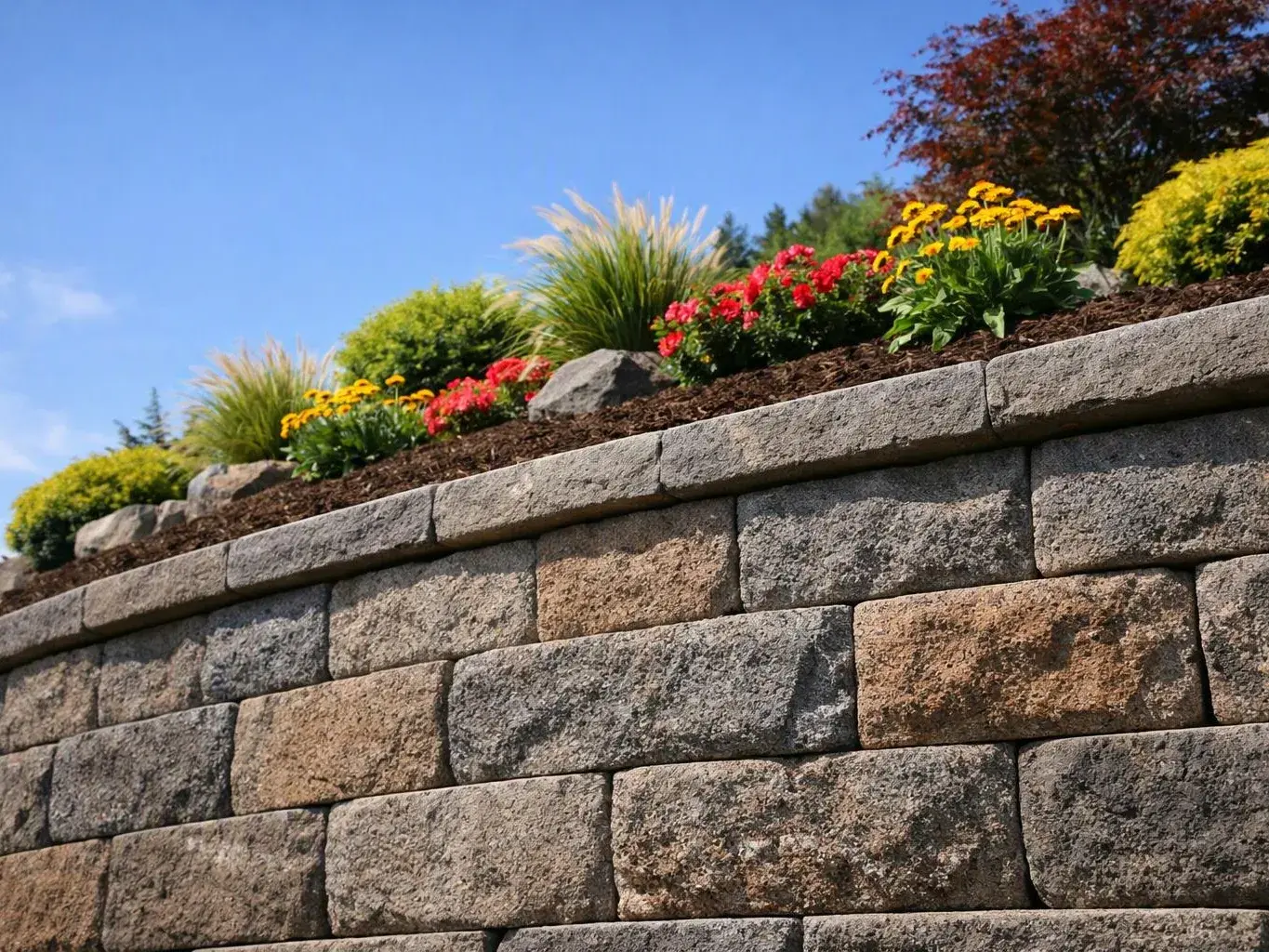
Our team studies the slope before planning grading, terracing, pathways, or retaining features. Each element should fit the soil, drainage flow, and intended use of the yard.
Pathways can connect activity areas and make movement more comfortable. Terraced planting beds can divide a steep grade into manageable spaces while supporting erosion control.
Grading must work with the site’s water flow. Our team coordinates slope stabilization with planting and drainage planning so runoff doesn’t create new problems.
How Can Native Planting Support Stormwater Management?
Native planting can support stormwater management by helping soil absorb water and by slowing surface runoff.
Native plants often suit local growing conditions, which can support strong root systems and healthier soil structure. Their roots help hold soil in place while water moves through planted areas.
A rain garden can collect runoff in a planned drainage area. We select plants for moisture, sun exposure, and soil conditions so the area can handle changing water levels.
Native plant landscaping can also add plant diversity and habitat. Our team connects planting design with water management, access, and the maintenance needs of the property.
Can Landscape Design Reduce Long-Term Yard Maintenance?
Yes, landscape design can reduce maintenance when plant choice, spacing, drainage, and access match the site.
Our team uses a maintenance plan to place plants where they can grow without constant correction. We also consider irrigation needs, pruning access, and weed control when shaping planting beds.
A design can reduce care, but every landscape still needs seasonal maintenance. We plan for the level of upkeep you can manage.
What We Review Before Planning a Landscape
Our site assessment reviews sun exposure, soil conditions, slope, water flow, existing vegetation, and homeowner goals.
Sun exposure affects plant selection, shade, and outdoor comfort. Soil conditions affect root growth, drainage, and the success of new planting.
We also study slope and drainage flow to understand where water collects or moves too quickly. Existing vegetation may provide shade, privacy, or useful structure that belongs in the landscape plan.
Your goals guide the final layout. We ask how you want to use the outdoor living space, how much maintenance you prefer, and which areas need better access.
How Our Landscape Design Process Connects to Installation
Our landscape design process connects site findings to installation through a clear sequence of planning decisions.
We review how each installation choice supports the original landscape plan. You can request a quote from our team based on the site conditions, selected features, materials, and installation scope.
Related Resources
Landscape Architect, Designer, or Design-Build Contractor: Which Should You Hire?
Compared ToLandscape Design Only or Design-Build: Which Route Fits Your Project?
Compared ToFrench Drains, Regrading, and Other Yard Drainage Options
Compared ToDrip Irrigation or Sprinklers: Choosing an Irrigation System