What types of projects require trenching services?
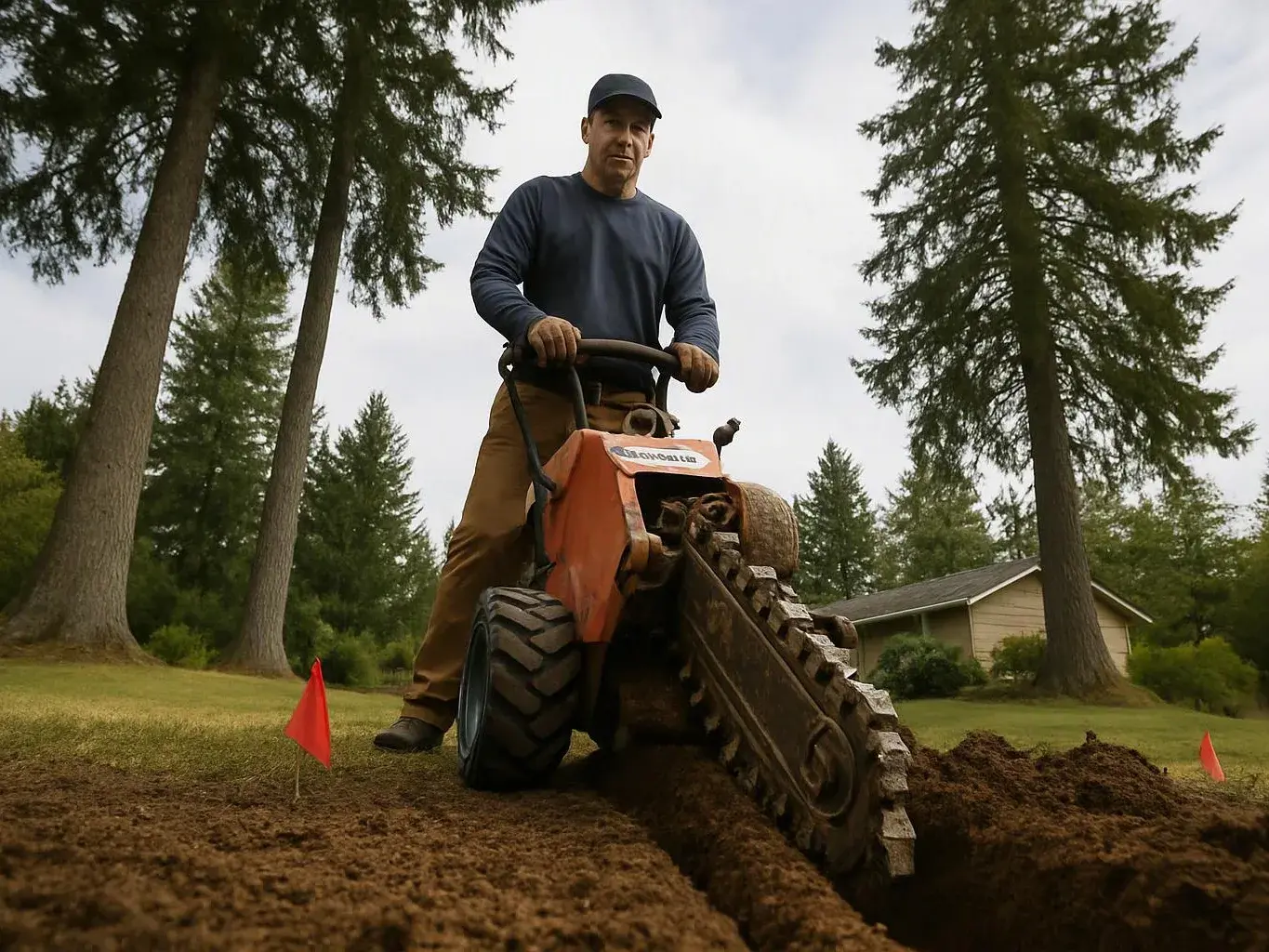
Drainage pipes, utility lines, irrigation systems, and footing drains commonly require trenching. The route gives each buried system a planned path through the property.
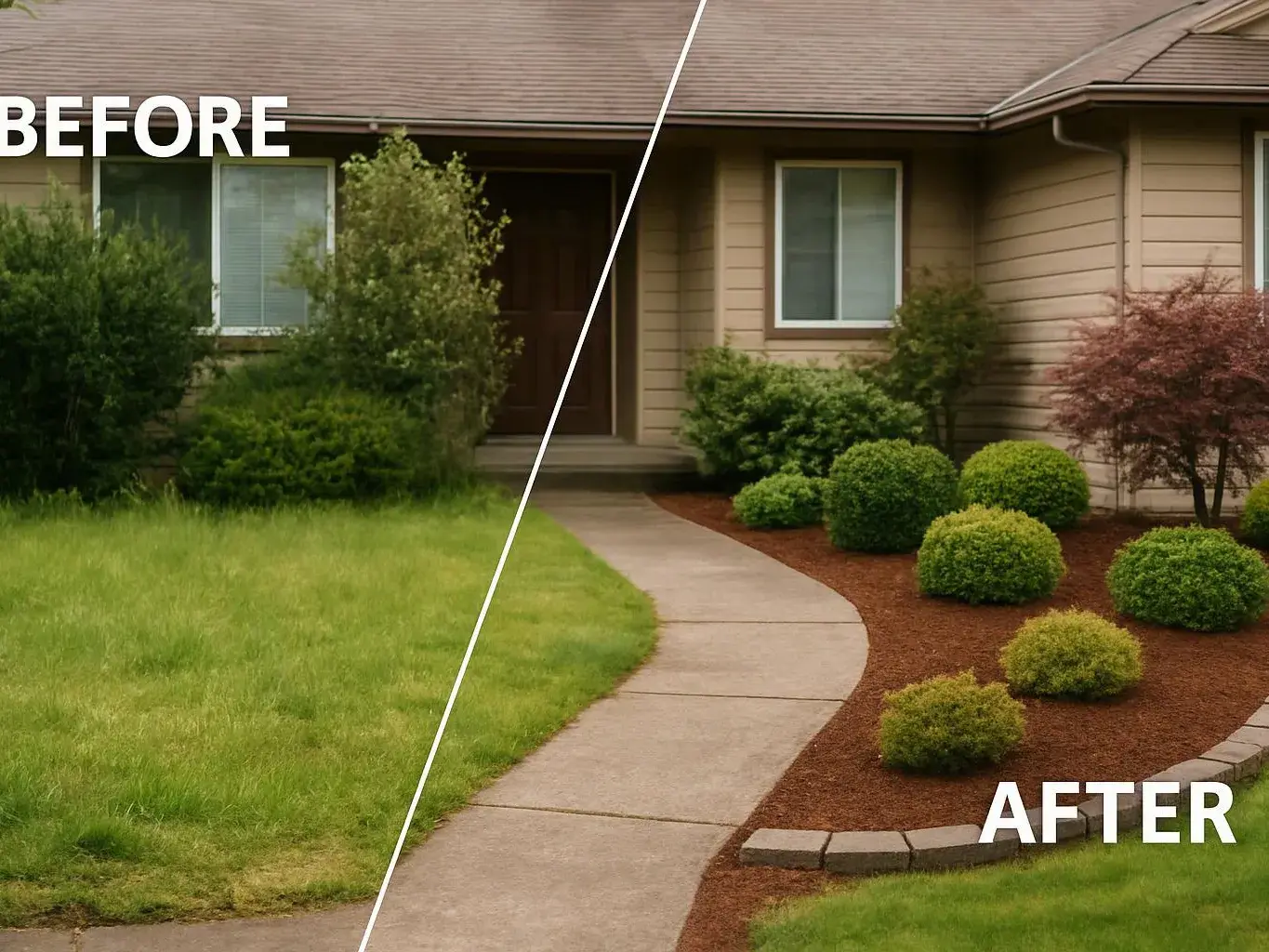
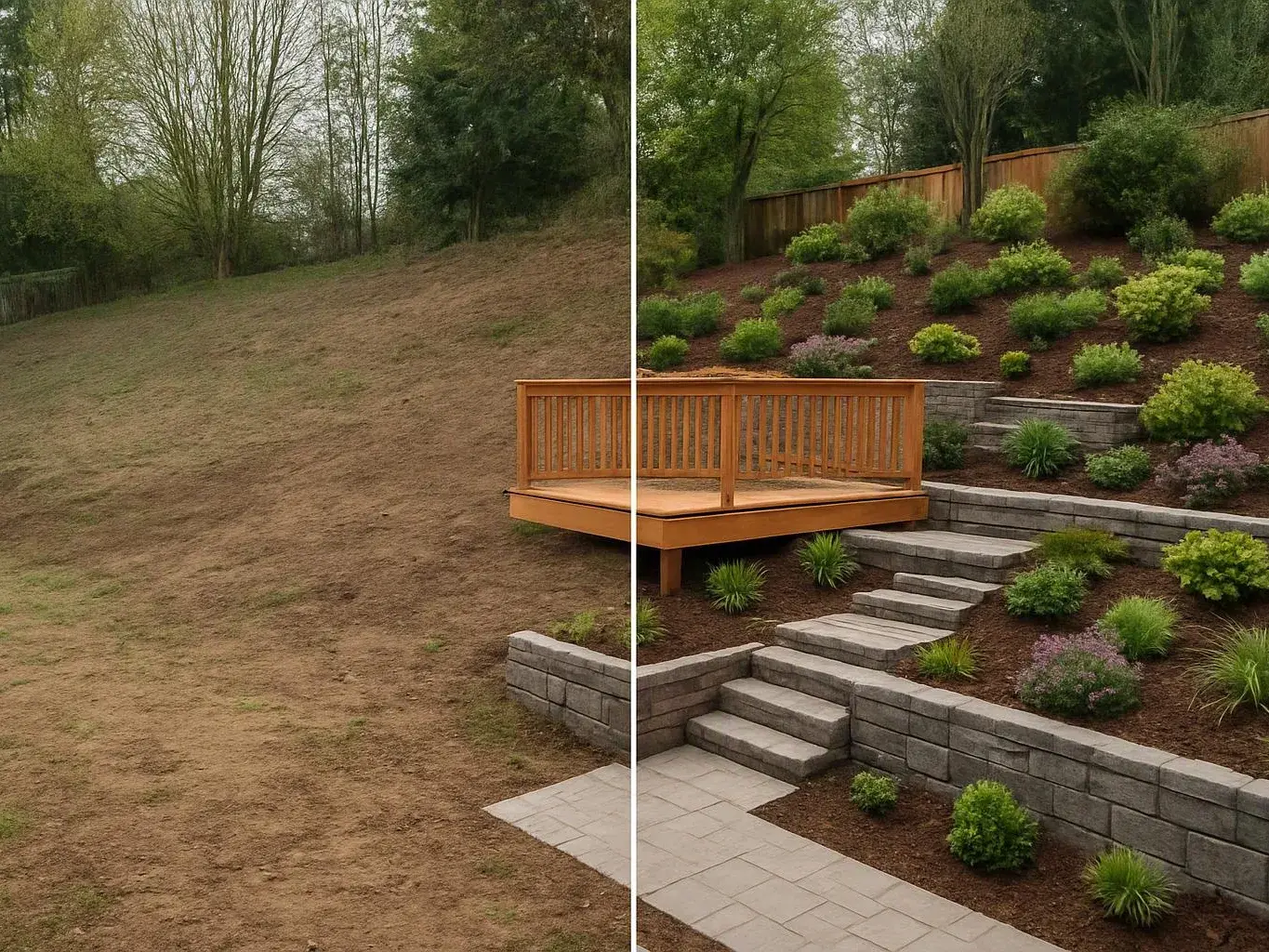
The work may connect with planting, lawn, patios, walkways, or retaining walls. Soil, slope, access, and existing landscape features shape the excavation plan, so the site should be reviewed before a quote is set.
Which site details should I confirm before approving trenching?
The proposed route, buried system, access plan, and related landscape work should be confirmed before approval.
The quote should explain what area will be excavated and how the trench fits the finished property. Existing patios, planting beds, walls, and lawn areas matter because they can affect access and restoration needs.
How does the property layout change the trench plan?
The property layout changes the trench plan by limiting routes around homes, hardscape, planting, and access points.
A narrow side yard may require a different excavation approach from an open lawn. Our team reviews the route against the landscape design so buried work supports the final installation and does not conflict with planned features.
What changes the price of a trenching project?
The trench route, soil, slope, access, system type, and related landscape work change the project price.
A quote should separate excavation from connected work, such as drainage installation, planting, lawn work, or hardscape. Share the property location and project goal so we can review the scope and prepare a quote.
When is trenching the wrong choice for a drainage problem?
Trenching is the wrong choice when surface grading or another landscape method can address the drainage issue.
The site review considers slope, soil, water movement, and the finished yard before excavation is chosen. A swale, grade change, or other surface approach may fit better when a buried route is not needed.
Who provides trenching for residential landscape projects?
LandscaperMaplevalleywa.com provides trenching for residential landscape projects across King County and the Eastside.
Our team combines formal landscape architecture training with hands-on construction experience. We connect trenching with planting, patios, walkways, retaining walls, water features, lighting, and lawn installation when those services form part of the wider project.
What should I bring to a trenching assessment?
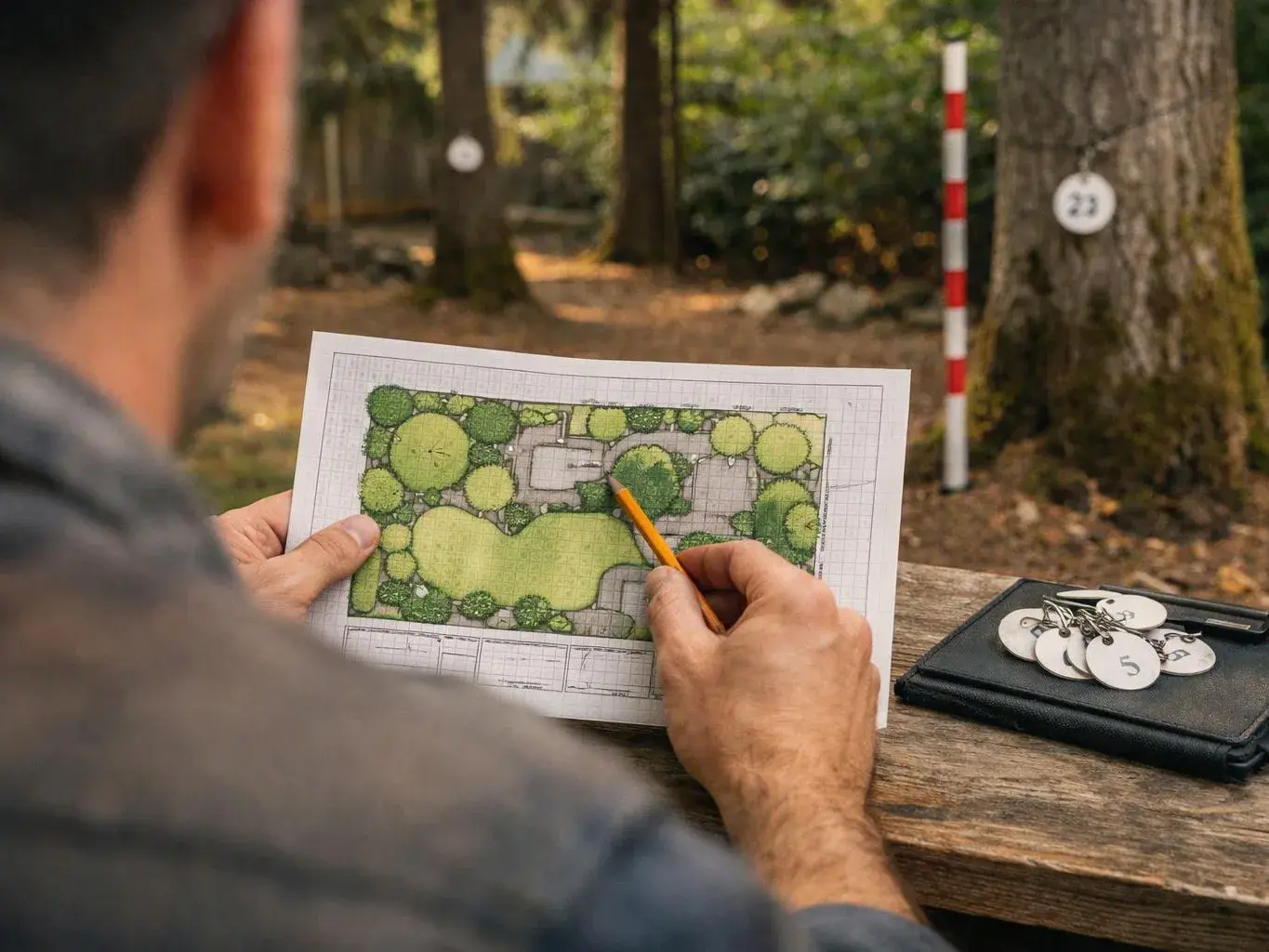
Property photos, the planned system, known access limits, and the areas affected by excavation help start the assessment.
Mark where water collects or where an irrigation fixture, utility route, or footing drain must connect. Existing plans and details about patios, walls, planting beds, and lawn areas can also help define the work scope.