How can hand excavation prevent damage to underground systems?
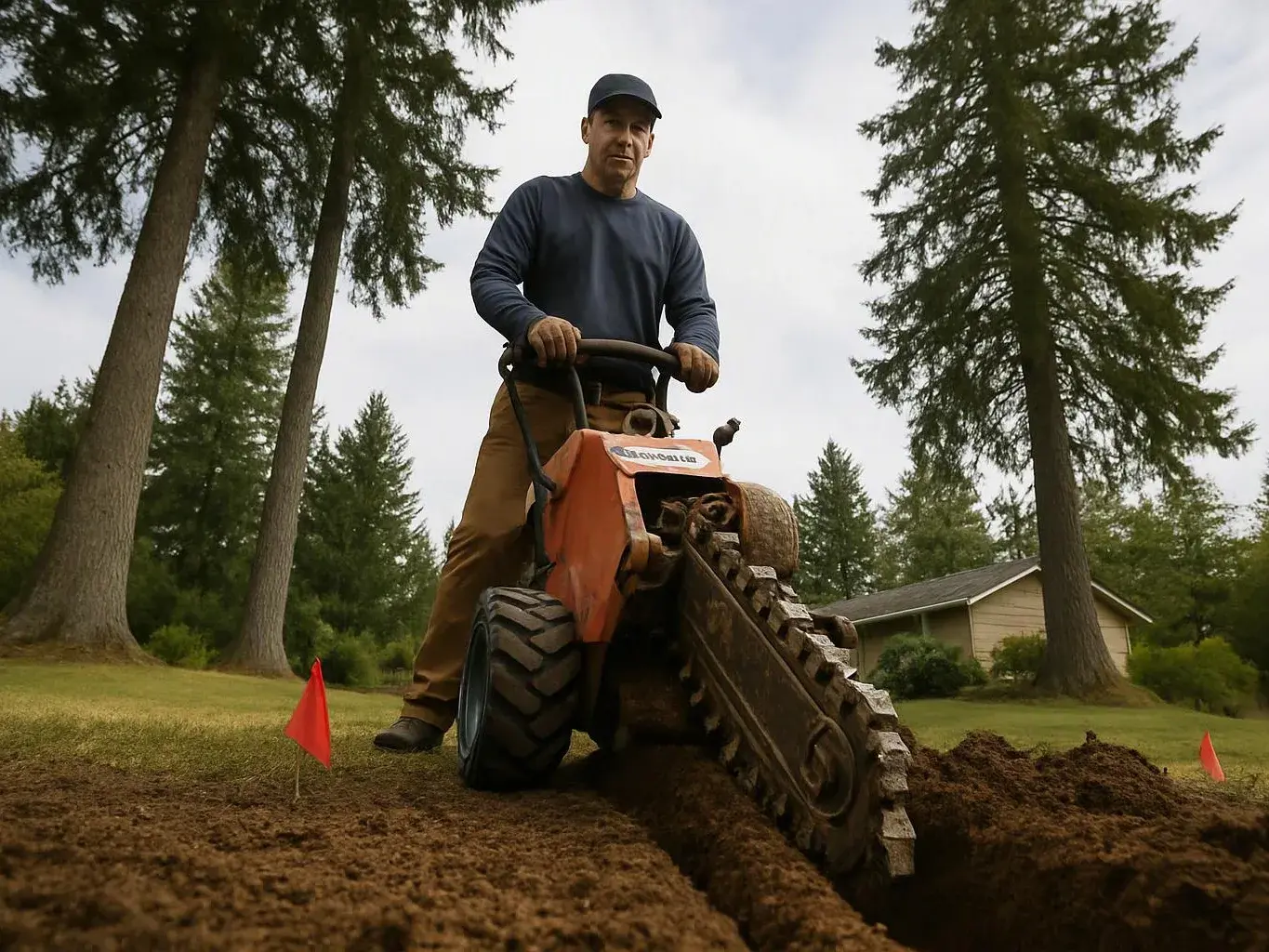
Hand excavation gives the crew more control near marked or suspected underground systems. Utility locating guides the route, while careful exposure helps confirm what lies near the work area. The plan should also address irrigation, lighting, drainage, and electrical crossings. Customers should share known utility information before the quote so the risk is part of the work scope.
What does utility locating change before digging starts?
Utility locating changes the planned digging route when marked or suspected systems cross the work area. The information helps identify where the crew must slow down, expose a crossing, or adjust the landscape layout. It does not replace site judgment. Customers should provide any old plans, utility notes, or marked connection points they have.
Which site details change the trenching quote?
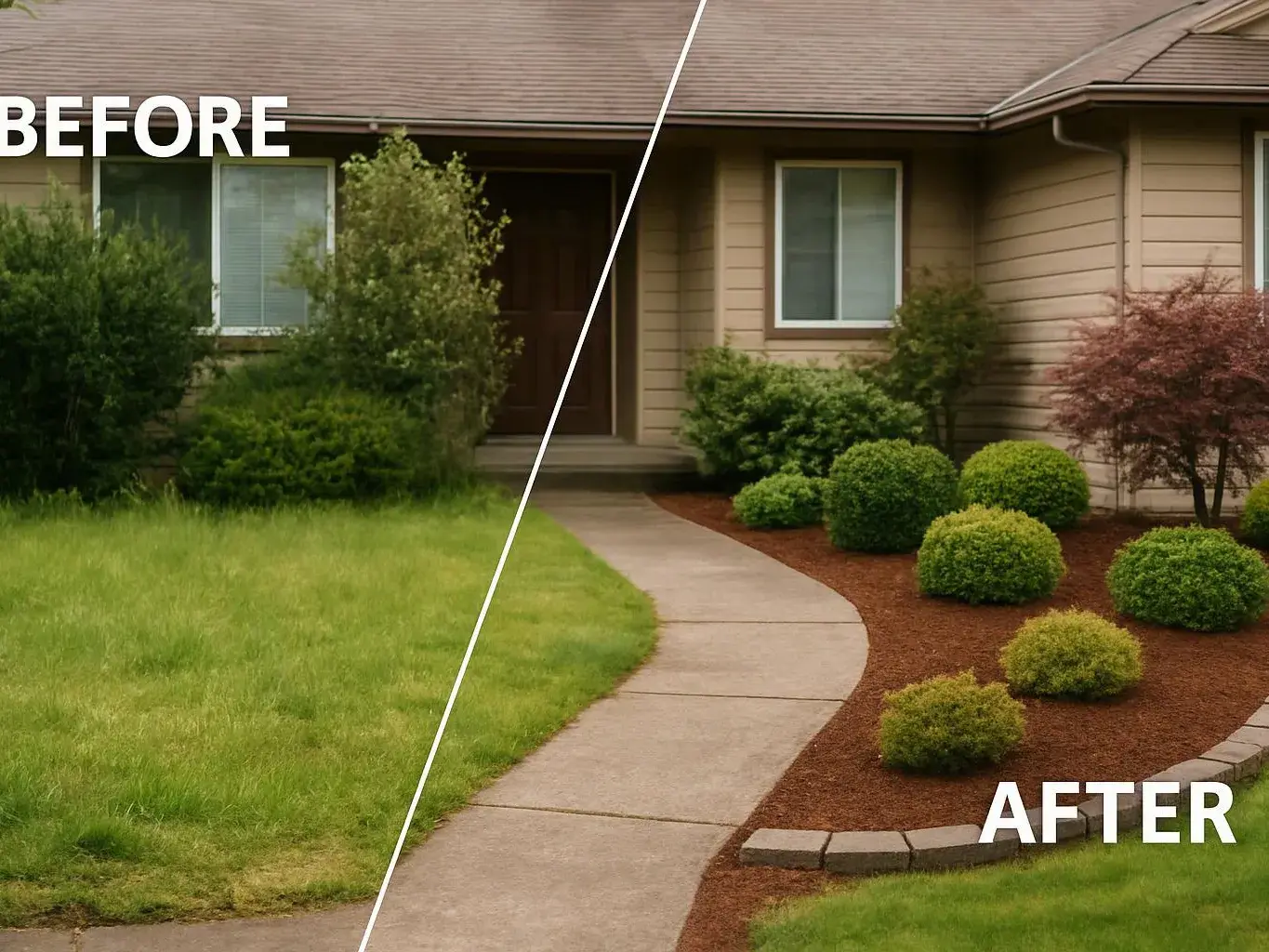
The trench route, access, soil removal, buried-system risk, surface restoration, and backfill work change the quote. A route under lawn has different restoration needs from one crossing a patio or planting bed. The wider landscape plan also matters when trenching connects to irrigation, drainage, lighting, or a retaining wall.
When does a trench need a shoring system?
A trench needs added support when site conditions create a risk of sidewall movement or unsafe entry. Soil condition, trench shape, depth, nearby loads, and available access guide that decision. Customers should raise slopes, walls, structures, and heavy equipment near the route during the site review. We include support needs in the work discussion.
Why does backfill compaction matter after buried lines are placed?
Backfill compaction helps support the buried line and reduces loose soil before surface work resumes. Poorly placed fill can affect lawn, planting beds, paving, or drainage connections. The required approach depends on the trench material and the surface above it. Customers should ask how restoration connects with the next landscape installation.
How should I prepare for a trenching site assessment?
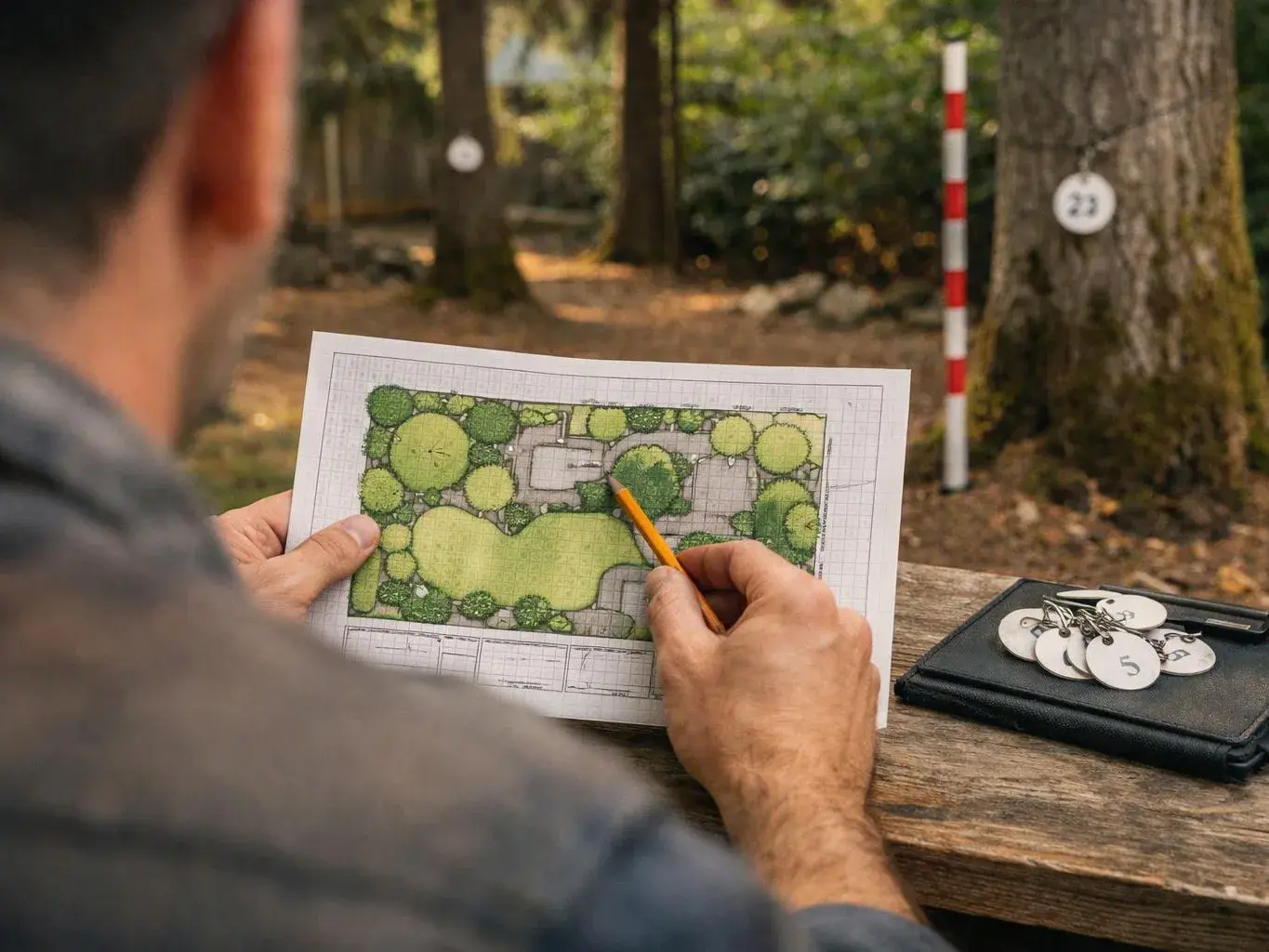
A site assessment is more useful when customers provide the desired route, connection points, photos, and known underground information. Mark the proposed lights, drains, irrigation zones, or other landscape features on a simple sketch. Access details also help define the scope. We use that information to discuss the trench and its related installation.
What makes trenching the wrong fit for a landscape project?
Trenching is the wrong fit when the project needs no buried line, drainage connection, or underground landscape feature. Surface planting, lawn care, and some bed changes may not need excavation. Customers should explain the finished goal first. We can then separate trench work from planting, hardscape, lighting, or maintenance needs.