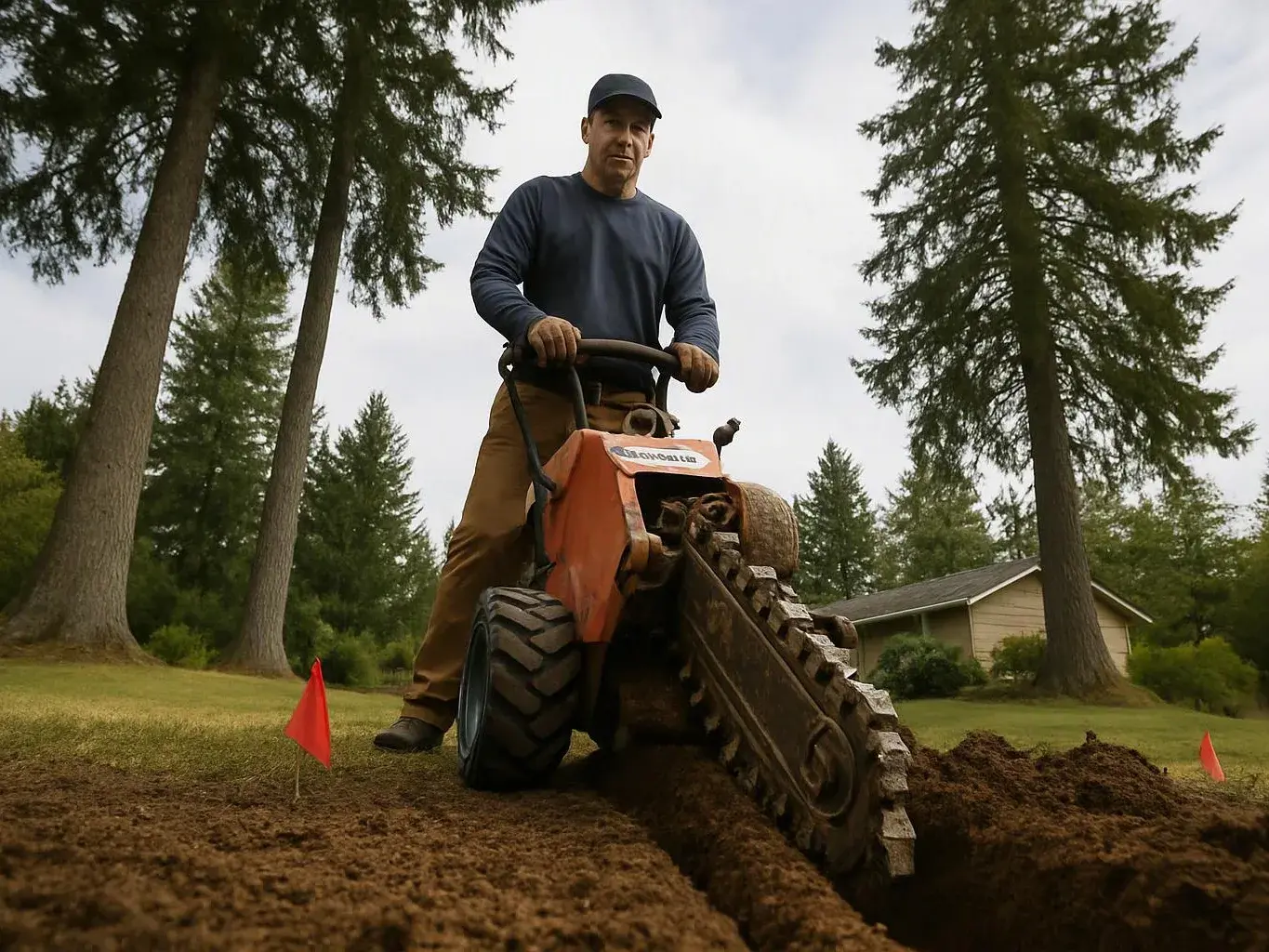
How deep should a trench be for underground utilities for Trenching Services?
Soil conditions and the utility type set the required trench depth. Utility clearance, surface conditions, and protective conduit also shape the plan. We review the route before excavation and explain the depth chosen for that installation. Customers should not use a standard depth for every property because the line, surface, and site conditions change the work.
Who do you hire to dig a trench for an outdoor project?
LandscaperMaplevalleywa.com provides trenching as part of coordinated outdoor construction work. Our team combines landscape architecture training with hands-on construction experience. We can connect the trench route to planting, patios, walkways, lighting, drainage, or other planned features. Ask for a quote with the line purpose and route so we can assess the right scope.
Which surfaces change how trenching is carried out?
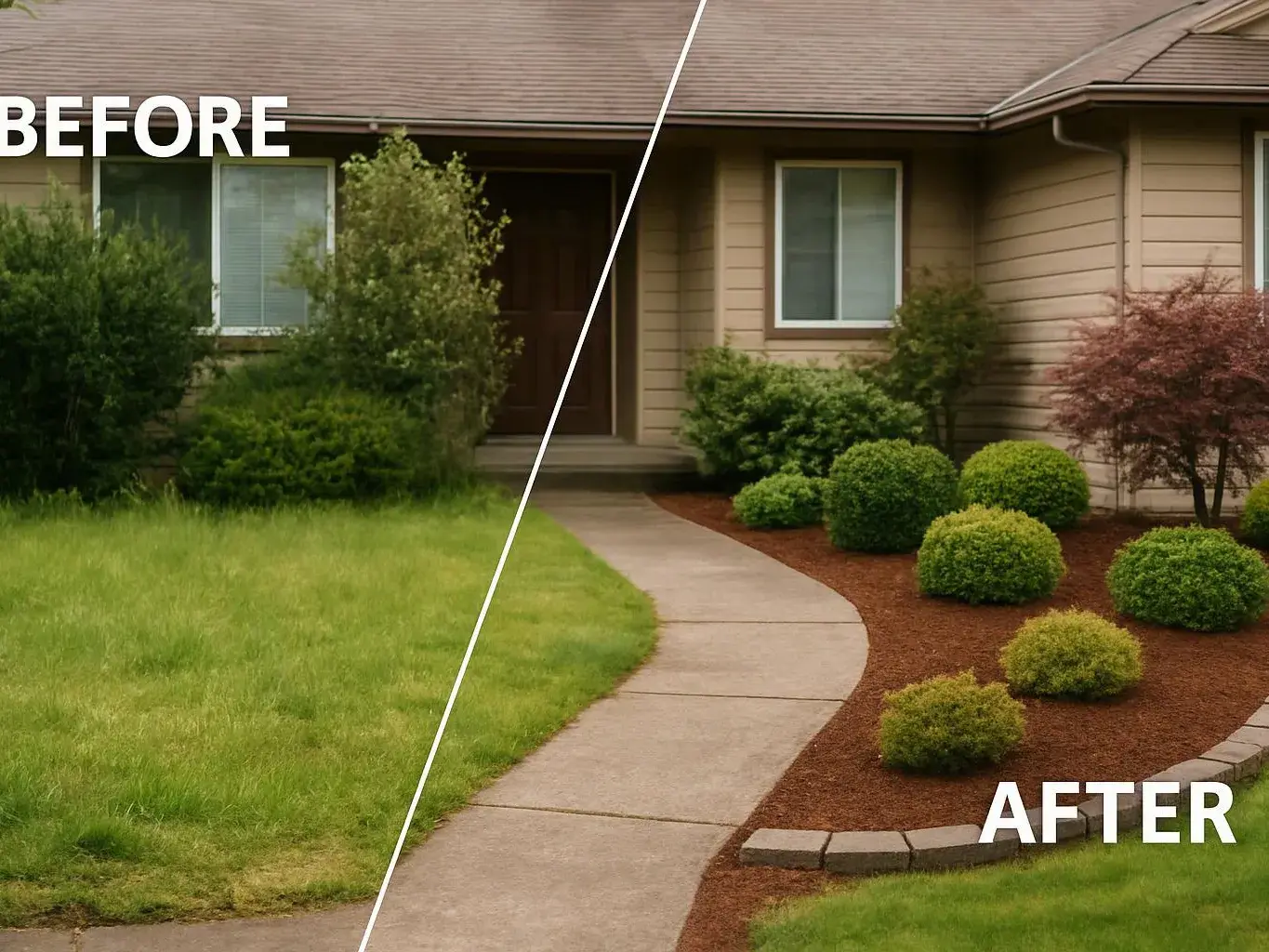
Paving, lawn, planting beds, and compacted ground change access and surface repair needs. A paved walkway may require a different removal and repair plan than an open planting bed. We review the surface along the route before pricing the work. Customers should identify finished areas that the trench must cross.
When should a customer request trenching for conduit?
Customers should request trenching before the related outdoor feature is built. Early planning lets the route, depth, conduit, and connection point fit the finished design. Waiting until paving or planting is complete can add surface work to the project. We review the planned feature and proposed route before setting the excavation scope.
What does a trenching assessment check first?
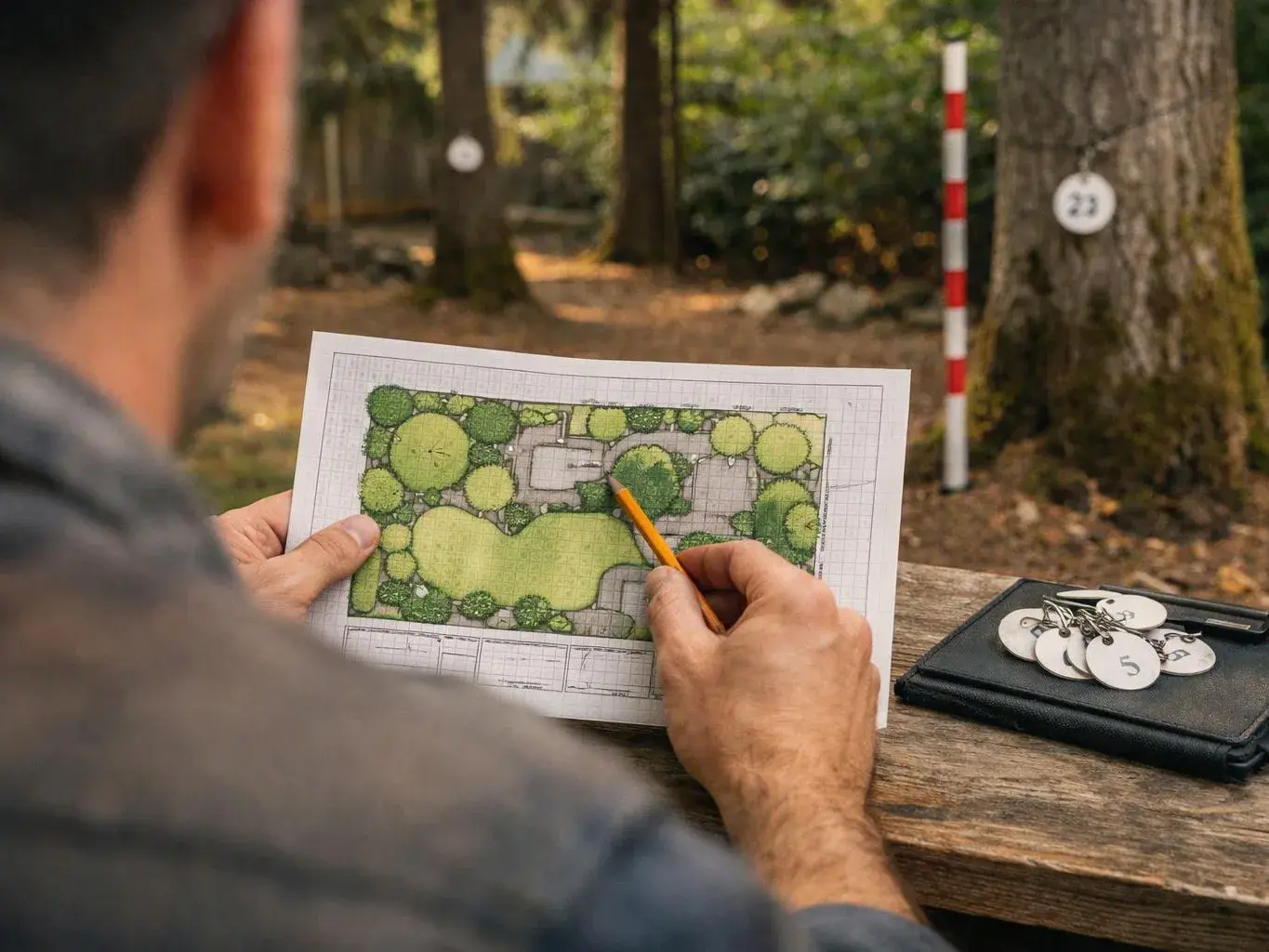
A trenching assessment first checks the route, purpose, access, surface, slope, and known utility concerns. Those details show whether the proposed path fits the installation. We then discuss depth, protective conduit, backfill, and surface repair. Customers can prepare by sharing photos, the intended endpoints, and any drawings for the outdoor work.
Why might protective conduit be needed in a trench?
Protective conduit may be needed when a utility or cable requires added shielding along its route. The need depends on the line, location, surface, and installation plan. We discuss conduit before excavation so its size and path fit the finished work. The quote should identify conduit work when the project requires it.
How does the first trenching visit lead to a quote?
The first assessment connects the requested route to the work needed on the property. We review the trench purpose, access, surface, depth, utility clearance, conduit, and restoration needs. Customers then receive a defined scope and upfront pricing for the proposed work. The quote does not replace any approval required for separate utility work.