A Pre-Winter Checklist for Your Sprinkler System in Maple Valley, Washington
A sprinkler winterization checklist should cover system leaks, sprinkler heads, valves, controls, shutoff points, and winter protection before service begins. At LandscaperMaplevalleywa.com, we check the irrigation system, repair issues that affect winterization, and prepare the system for the cold season.
Written by Adam Gorski · 29 years of local experience
Request an Estimate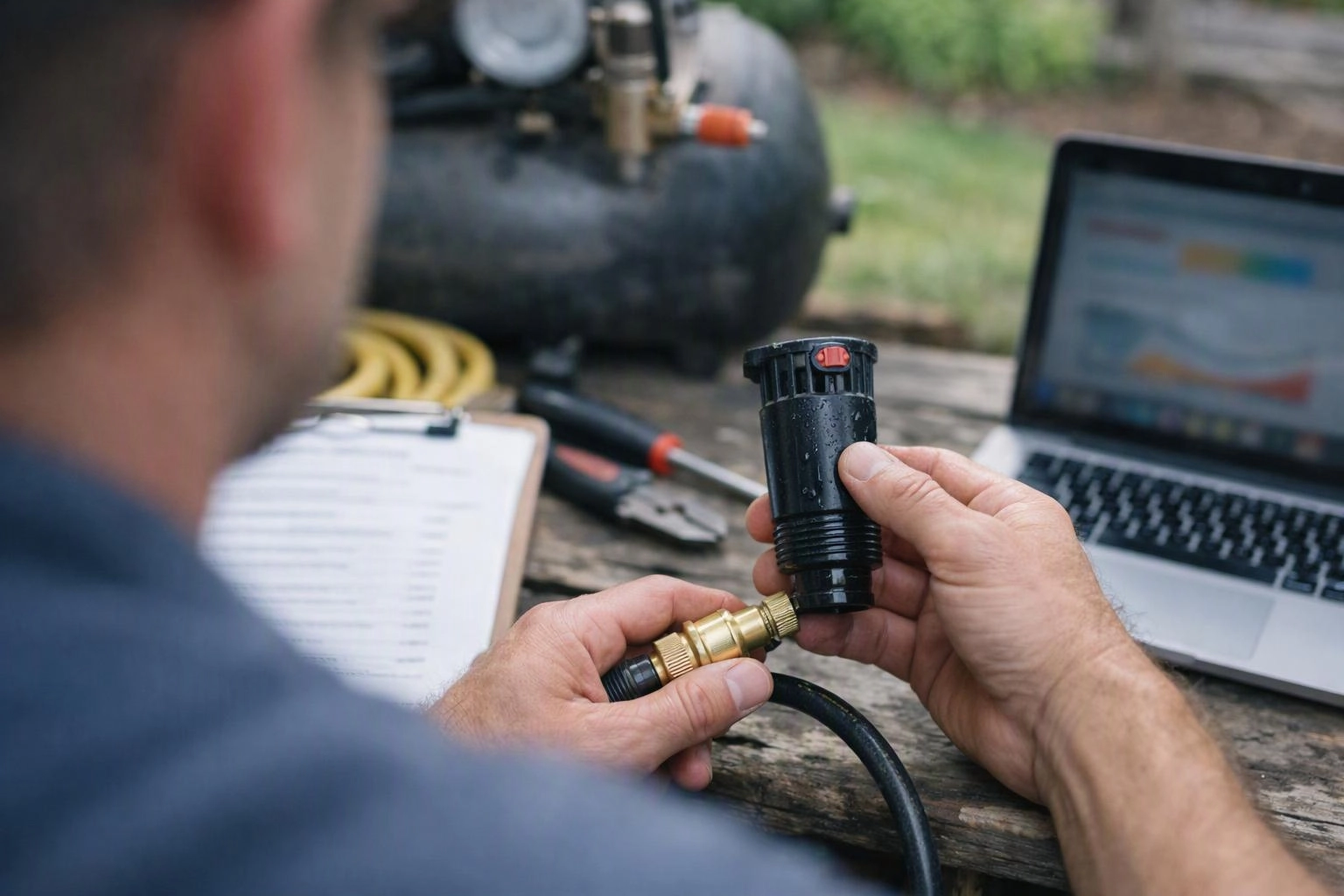
Sprinkler winterization requires a pre-winter inspection and winterization process. That process covers leak checks, repairs, water shutoff, system protection, and a post-service review.
What to Check Before Winterizing Your Sprinkler System
Before winterization, inspect the sprinkler system for leaks, damaged parts, control issues, and water that can’t be shut off safely. Our team checks the irrigation system as a connected group of heads, valves, controls, pipes, and backflow equipment.
We look for sprinkler head damage, valve leaks, and exposed irrigation pipes. We also review the controller, backflow preventer, and available shutoff points before planning winter protection.
Water drainage matters because trapped water can remain in lines after the supply is closed. We identify drainage concerns and explain which repairs should happen before service begins.
Before Winterization: Complete This Sprinkler Checklist
Use this pre-winter inspection list before scheduling service. Each item helps confirm that the system can be shut down and protected safely.
Should Sprinkler Repairs Be Done Before Winterization?
Yes, repairs that affect water control or system drainage should be handled before sprinkler winterization. Our team assesses each issue and explains whether it affects safe shutoff, drainage, or winter protection.
A leaking sprinkler head can waste water and leave a zone pressurized. A broken sprinkler head, leaking valve, or damaged irrigation pipe can also prevent proper system drainage.
We complete irrigation system repair when the issue is part of the winterization work. If a repair does not affect shutdown or drainage, we explain how it fits into the service plan.
During Winterization: Protect Each Irrigation Zone
Each irrigation zone needs controlled water removal and protection during winterization. Our crew follows the system layout and checks that water control remains clear throughout the process.
Compressed air requires careful pressure control and correct connections. We handle this work as part of our irrigation winterization process.
What Are the Warning Signs Your Sprinkler System Needs Repair?
A leaking head, standing water, weak coverage, or a valve that won’t close signals a repair need before winterization. These signs can point to a leak, drainage problem, pressure issue, or damaged component.
After Winterization: Confirm the System Is Ready
A post-service review confirms that the irrigation system is shut down, drained, and protected. Our team checks the main components and records conditions that may need attention later.
How Seasonal Moisture Affects Sprinkler Winterization in Maple Valley
Cool, wet seasons and comparatively dry summers create seasonal moisture changes that can affect irrigation performance and repair needs. Seasonal moisture variation can change how quickly leaks become visible and how much water remains around buried lines.
In Maple Valley, Washington, our team considers recent site moisture when checking drainage, valve boxes, and irrigation pipes. Wet ground can make standing water harder to trace, while drier periods can make weak coverage and pipe leaks easier to notice.
This local pattern supports a careful system inspection before winter protection. Irrigation system repair may be needed when seasonal moisture reveals leaks, settlement, or poor water drainage.
Which Sprinkler Winterization Task Does Your System Need?
The right task depends on the system condition and the water control problem we find. This reference table shows how common needs fit into the winterization process.
| System need | What we review | Winter preparation focus |
|---|---|---|
| System inspection | Heads, pipes, valves, controls, and visible leaks | Identify conditions that could affect drainage |
| Sprinkler repair | Damaged heads, leaking valves, and pipe concerns | Restore water control before shutdown |
| Water shutoff | Main supply access and shutoff condition | Control incoming water safely |
| Zone protection | Zone valves, drainage paths, and system layout | Protect each irrigation zone from trapped water |
| Controller setting | Schedules and active zone controls | Prevent unwanted watering during winter |
| Backflow preventer | Access, visible condition, and connection points | Include the assembly in the protection review |
How We Prepare Your Sprinkler System for Winter
We prepare your sprinkler system by combining system inspection, repair assessment, water control, drainage, and winter protection. Our team starts with the system layout and identifies conditions that could affect the service.
We discuss irrigation system repair when a leak, damaged part, or control issue affects winterization. We then explain the recommended winterization service and what the service quote includes.
Our Sprinkler Winterization service is planned around your system’s condition. Contact us through our service request page so we can review the work needed.
Author: Adam Gorski
Questions About Sprinkler Winterization
What if a sprinkler head is leaking before winter?
A leaking sprinkler head should be assessed before winterization because it can affect water control and drainage. We inspect the head and explain the repair needed before the system is shut down.
When should I schedule sprinkler winterization?
Sprinkler winterization should be scheduled before sustained cold conditions make water control and drainage harder to manage. We recommend planning after the irrigation season ends and before the system is left unused.
Can a damaged irrigation pipe be repaired during winterization?
A damaged irrigation pipe can be repaired during winterization when the repair is needed for safe water shutoff or system drainage. We assess the pipe condition and explain whether repair belongs in the winter service.
What changes the cost of sprinkler winterization for my system?
Sprinkler winterization cost depends on system access, the number and condition of irrigation zones, required repairs, drainage needs, and backflow preventer access. We review those factors and provide a quote based on the work your system needs.
Request a review of your sprinkler system and winterization needs through our contact page.