Retaining Wall Cost Factors and What to Discuss in a Quote in Maple Valley, Washington
Retaining wall installation cost depends on wall size, materials, soil, drainage, grading, access, and site preparation. At LandscaperMaplevalleywa.com, we review these factors and explain what our quote includes.
Written by Adam Gorski · 29 years of local experience
Request an Estimate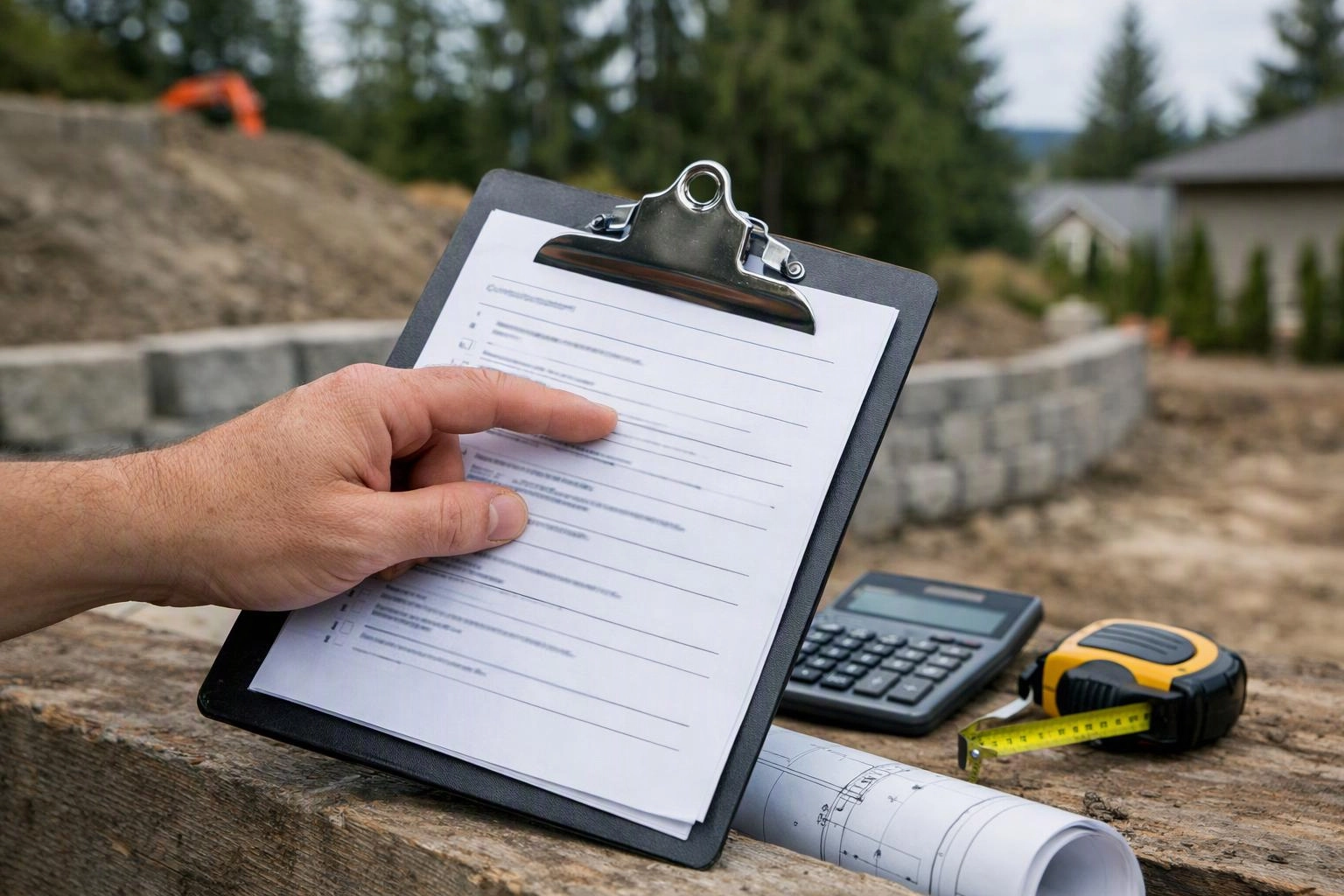
Written by Adam Gorski.
Retaining wall installation in Maple Valley, Washington needs site-specific planning. Our team connects the wall design, ground conditions, water management, and access before we prepare the quote.
See our Retaining Wall Installation service page for the work we provide.
What Changes the Cost of Retaining Wall Installation?
Retaining wall installation cost changes with the wall design, ground conditions, materials, drainage needs, grading, and site access.
Wall height and wall length affect the amount of excavation, base material, backfill, and structural support. Taller walls can also need more careful soil and drainage planning.
Site conditions shape the labor and equipment needed for the work. Tight access, sloped ground, difficult excavation, material delivery, and debris removal can all change the project scope.
Retaining Wall Cost Factors to Review Before Requesting a Quote
Each cost factor should connect to a clear detail before we prepare a retaining wall estimate. The table helps you gather the information our team needs.
| Factor | Why it changes the cost | What to prepare |
|---|---|---|
| Wall dimensions | Wall height, wall length, alignment, and finish affect materials and labor. | A rough layout, preferred height, and areas the wall must support. |
| Retaining wall materials | Concrete block, natural stone, timber, and other materials have different installation needs. | Your preferred appearance, finish, and landscape style. |
| Soil conditions | Soil pressure, poor soil stability, roots, and buried material can change excavation and support needs. | Known soil problems, past construction, and areas that shift or settle. |
| Drainage | Surface water and subsurface water may require drainage pipe, drainage rock, and planned outlets. | Wet spots, runoff paths, standing water, and nearby downspouts. |
| Land grading | Changes to the slope and finish grade can add preparation and tie-in work. | Your desired slope, planting areas, paths, and lawn transitions. |
| Site access | Limited equipment access can affect excavation, material delivery, property protection, and cleanup. | Gate widths, driveway access, slopes, steps, and sensitive features. |
| Excavation and disposal | The ground may require digging, loading, hauling, and removal of unsuitable soil. | Known buried items, soil piles, and preferred staging areas. |
| Erosion control | Slope protection can require added soil stabilization and surface water control. | Eroding areas, exposed soil, runoff damage, and nearby planting zones. |
Clear details help us separate the wall work from related site improvements. They also make the quote scope easier to review before approval.
How Wall Design and Materials Affect the Estimate
Wall height, alignment, material choice, finish, and structural needs change the installation work and quote.
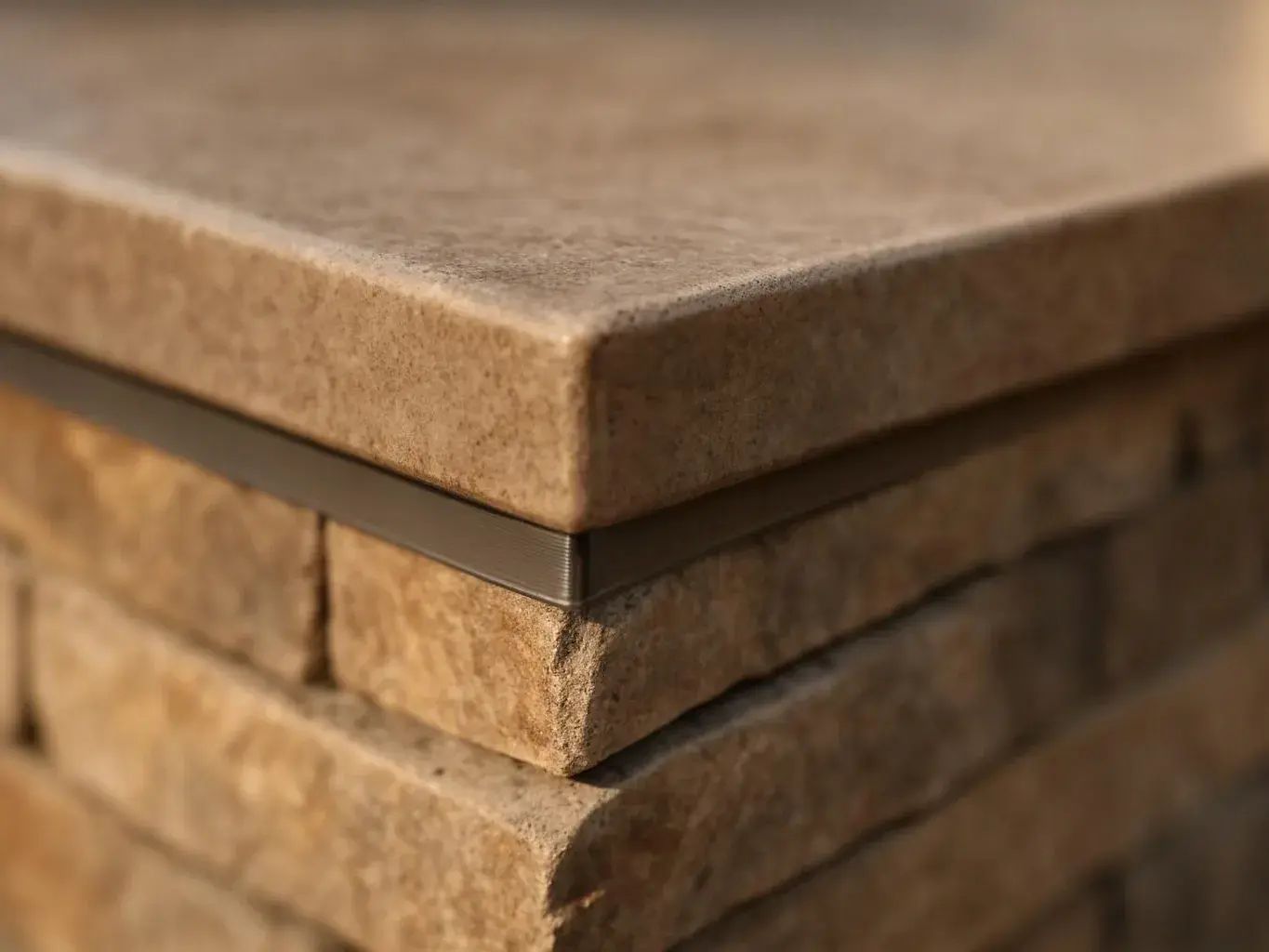
A segmental retaining wall uses connected wall blocks and planned base preparation. A concrete block wall may need a specific layout and structural support for the site.
Natural stone creates a different finish and installation process. A timber wall can suit some landscape goals, while a gravity wall relies on its mass and careful placement.
Our team reviews the wall alignment, soil pressure, footing area, and finish grade together. The selected retaining wall materials should support both the landscape design and the site conditions.
Why Drainage, Grading, and Erosion Control Belong in the Quote
Drainage, grading, and erosion control belong in the quote because water and unstable soil can affect wall performance.
Retaining wall drainage helps manage water behind and above the wall. Our team reviews surface drainage, subsurface drainage, drainage pipe, and drainage rock as part of the site plan.
Land grading directs surface water and creates a stable finish grade. Erosion control protects exposed soil while the wall and surrounding landscape are completed.
Cool, wet seasons and comparatively dry summers create recurring moisture variation in King County. That pattern makes water management and soil stability important parts of site-specific planning in Maple Valley, Washington.
What Our Retaining Wall Quote Includes
Our retaining wall quote explains the planned work, selected materials, drainage needs, grading, site preparation, and project exclusions.
We begin with a site review and wall layout. Our team then connects material selection with excavation, base preparation, drainage planning, backfill, and the final grade.
The quote scope should also identify debris removal, property protection, access limitations, and work that falls outside the planned project. Clear exclusions help prevent confusion during approval.
Our team can coordinate related land grading and erosion control when those tasks support the retaining wall installation. We describe each part separately so you can understand the full project scope.
How to Prepare for an Accurate Retaining Wall Quote
Property details help our team prepare a more useful retaining wall quote. Gather the following information before the site assessment.
These details don't replace our site assessment. They help us focus the review on the conditions that can change the work.
Five Ways to Control Retaining Wall Project Costs
Clear planning can limit surprises by matching the design with the actual site. These choices help keep the project scope focused.
Our team uses these decisions to build a quote that reflects the full installation plan. Changing the design after approval can change the scope.
How We Turn Site Details Into a Clear Quote
Our quote preparation turns site conditions and design choices into a written project scope.
Our team uses upfront pricing when we present the approved scope. You can request a retaining wall quote through our contact page.
Plan Retaining Wall Installation in Maple Valley, Washington
Retaining wall installation in Maple Valley, Washington starts with a site review that connects wall design, drainage, grading, and access.
Our team plans each project around the actual slope, soil, water movement, material choice, and landscape goal. That approach helps connect erosion control and land grading to the wall instead of treating them as separate details.
Request a quote when you’re ready to discuss the site. We’ll review the conditions and explain the work included in the project scope.
Questions About Retaining Wall Quotes
What should be included in a retaining wall estimate?
A retaining wall estimate should include the wall layout, materials, excavation, base preparation, drainage, backfill, grading, cleanup, and exclusions. Our team also reviews site access, soil conditions, erosion control, and property protection.
Does retaining wall drainage need to be part of the quote?
Yes, retaining wall drainage should be part of the quote when water can reach the wall or soil behind it. Our team reviews surface water, subsurface drainage, drainage pipe, drainage rock, and discharge paths.
How can I prepare my property for a retaining wall quote?
You can prepare property photos, the planned wall location, access details, water problems, landscape goals, and information about existing structures. Our team uses those details during the site assessment.
Can land grading and erosion control be included with retaining wall installation?
Yes, land grading and erosion control can be included when they support the retaining wall installation. Our team lists those tasks in the quote scope so the related work is clear.