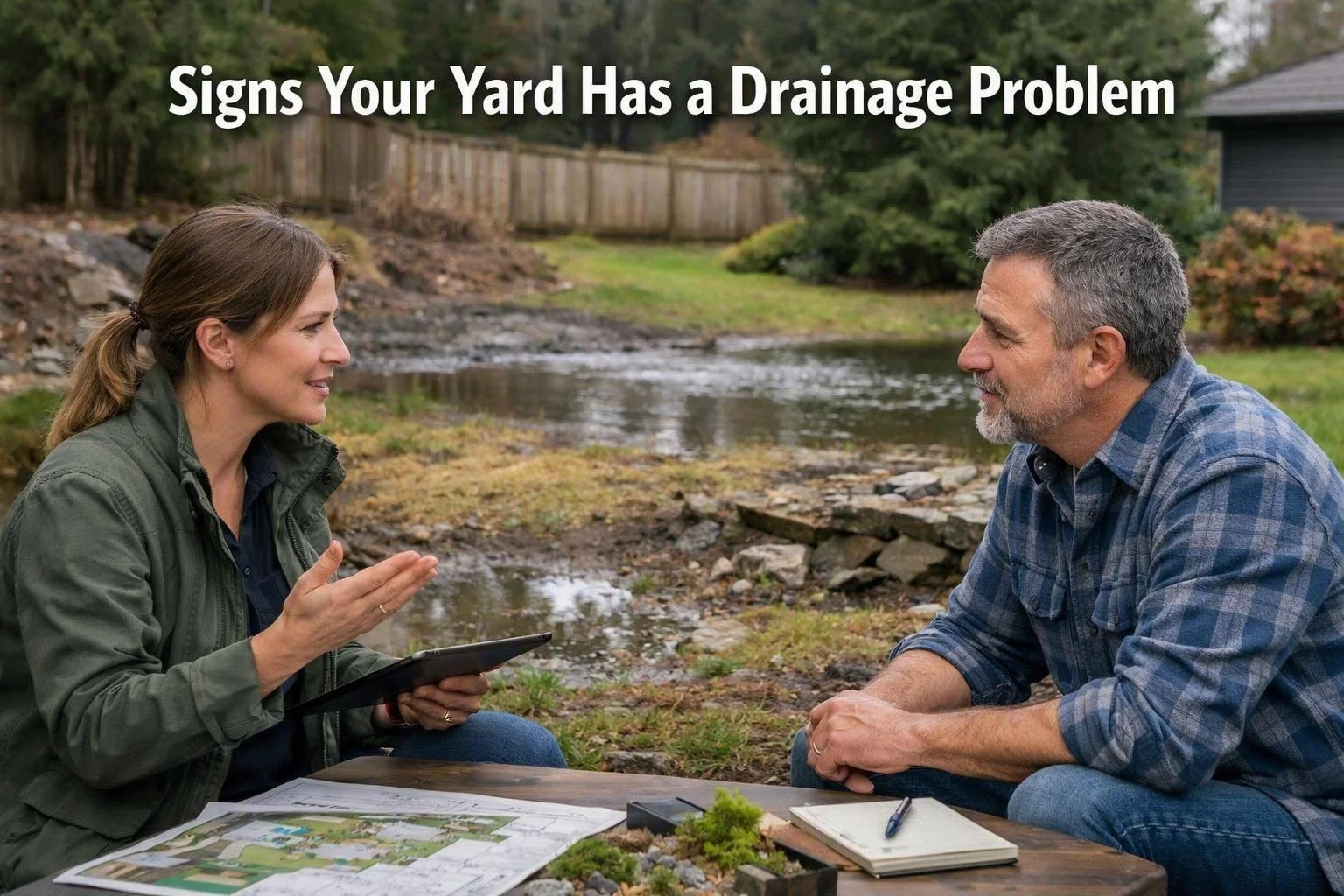
Signs Your Yard Has a Drainage Problem
Signs of poor yard drainage include standing water, soggy soil, soil erosion, washed-out mulch, and rainwater flowing toward your home. LandscaperMaplevalleywa.com checks the water path, soil, slope, and outlet to identify the right drainage approach.
Written by Adam Gorski · 29 years of local experience
Request an EstimateYard drainage problems cause visible warning signs when water stays, moves the wrong way, or damages soil, plants, and structures.
Our team uses these signs to guide a practical Yard Drainage assessment. The right solution may involve grading, surface drainage, or subsurface collection.
What Are the Signs of Poor Yard Drainage?
Poor yard drainage shows through water that stays, moves the wrong way, or damages soil, plants, and structures.
One sign can have several causes, so we follow the water path before choosing a repair. Repeated signs usually point to a broader landscape drainage or grading issue.
Why Does Your Yard Stay Soggy After Rain?
A yard stays soggy after rain when water cannot soak into the soil or reach a safe outlet.
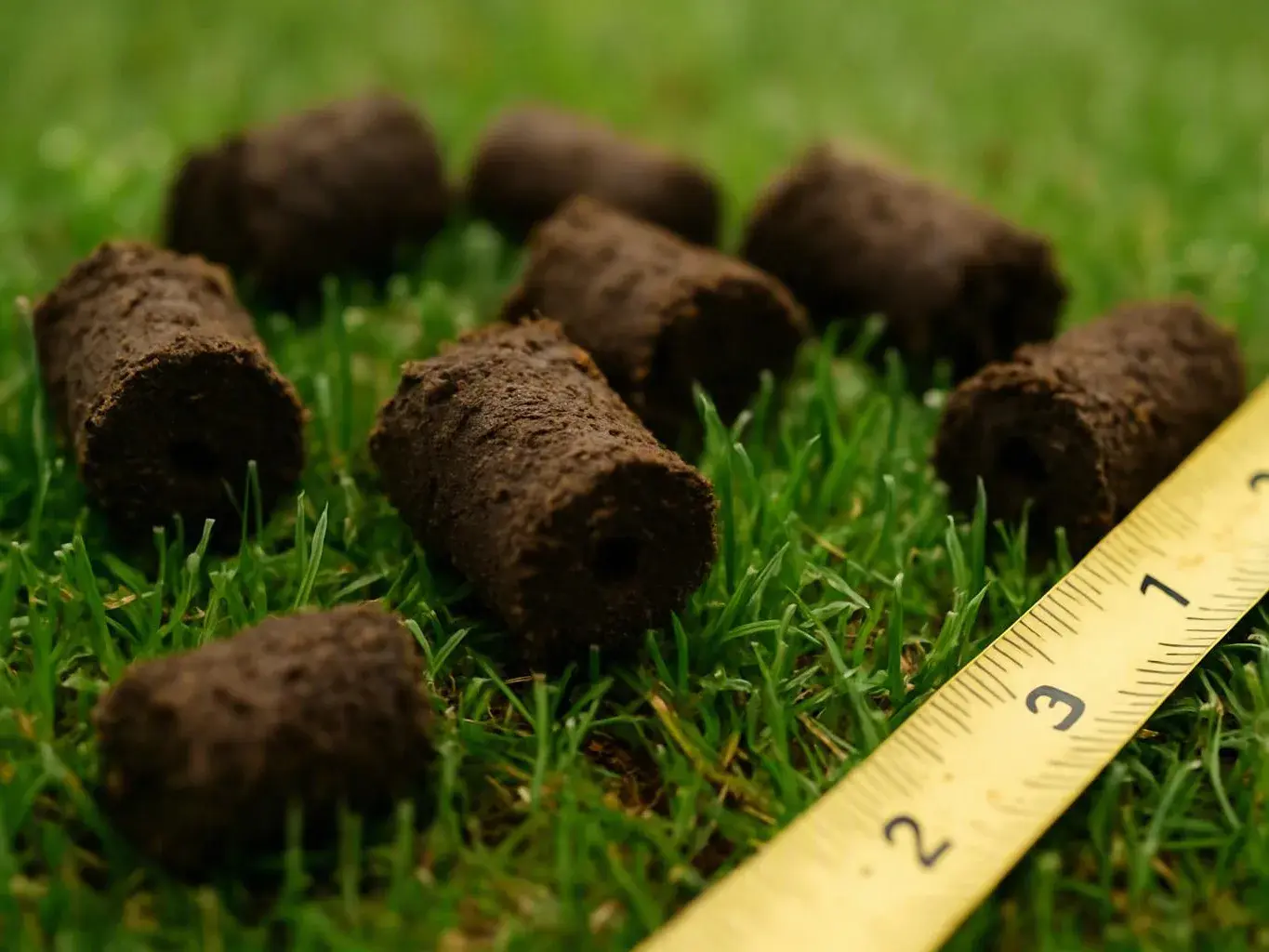
Clay soil drains slowly because its fine particles hold water tightly. Compacted soil also blocks air spaces, so rainfall sits near the surface.
Low spots collect surface runoff from higher ground. A yard may need improved soil flow, a new outlet, or land grading to move that water safely.
Why Does Water Pool in Your Yard?
Water pools in a yard when the slope, soil, or drainage path keeps runoff from moving away.
Uneven yard grading can create low areas that collect surface water. High spots may push rainfall toward those areas or toward the foundation.
Swales, downspouts, and drainage outlets must work together. When one path ends too close to the lawn, water can spread across the property.
What Do the Warning Signs Tell You About the Drainage Cause?
The visible symptom often points toward the drainage feature that needs attention, but our team confirms the cause by tracing water flow.
| Symptom | Likely drainage cause | Possible solution type |
|---|---|---|
| Water pools in a low spot | Poor yard grading or soil compaction | Land grading or surface drainage |
| Water follows a repeated surface path | Concentrated runoff | French drain or surface channel |
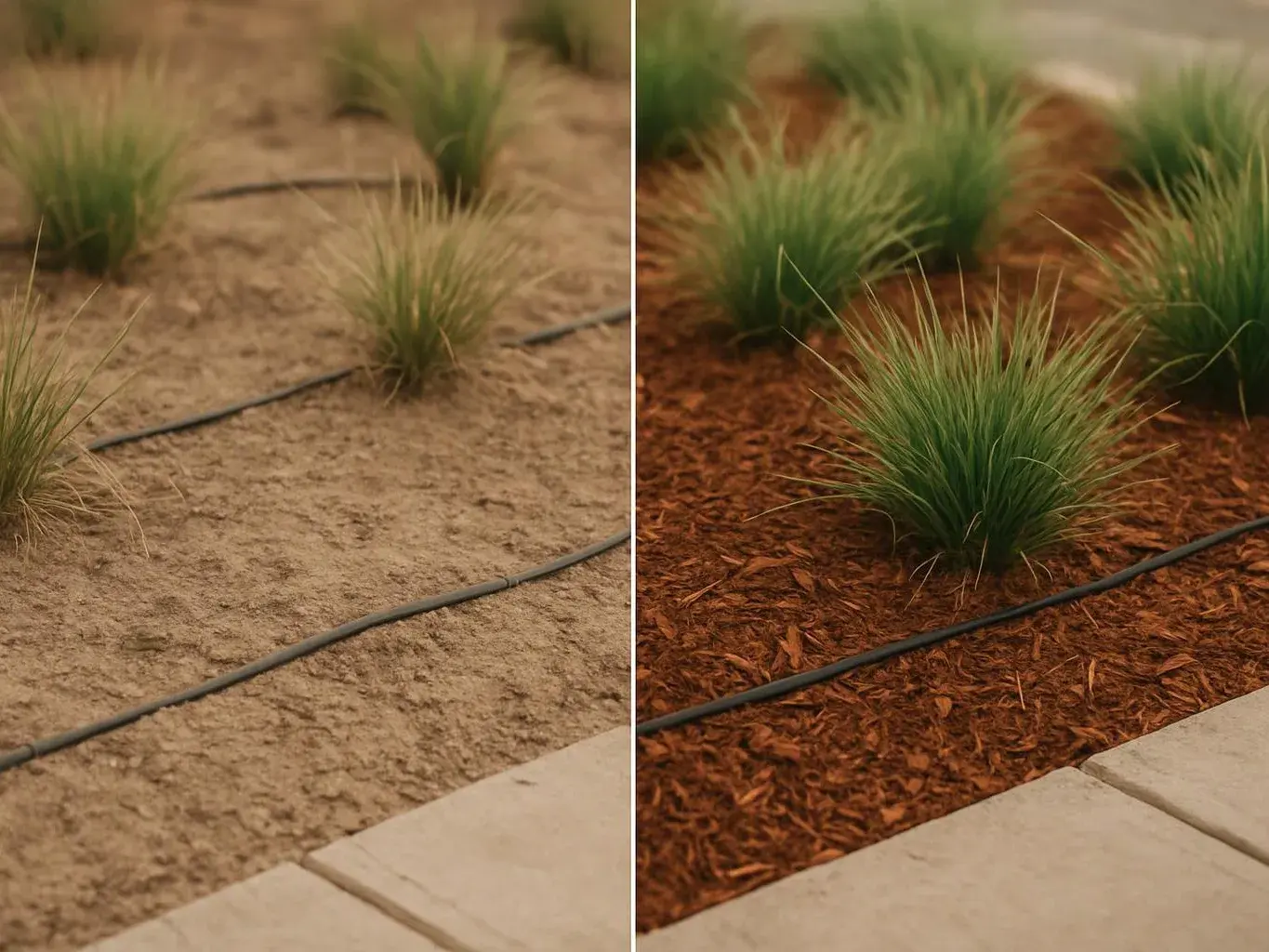
| Mulch washes downhill | Fast surface runoff or an unprotected slope | Slope correction and surface drainage |
| Water collects near the home | Downspout discharge or grading toward the foundation | Downspout drainage or foundation drainage |
A French drain suits subsurface collection, while surface drainage handles water moving across the ground. The drainage outlet must carry water to a safe discharge point.
How Can You Tell If Your Yard Needs Grading?
A yard may need grading when uneven slopes direct water toward the house or leave repeated low spots.
Watch how water moves during rainfall. Water that crosses a walkway, gathers beside the foundation, or stops in one depression may show a grading problem.
High spots can block the intended flow, while low spots can hold water. Our team checks the slope, soil condition, and foundation drainage before recommending land grading.
How Can You Tell If You Need a French Drain?
A French drain may fit when surface water follows a repeated path and needs collection below the soil.
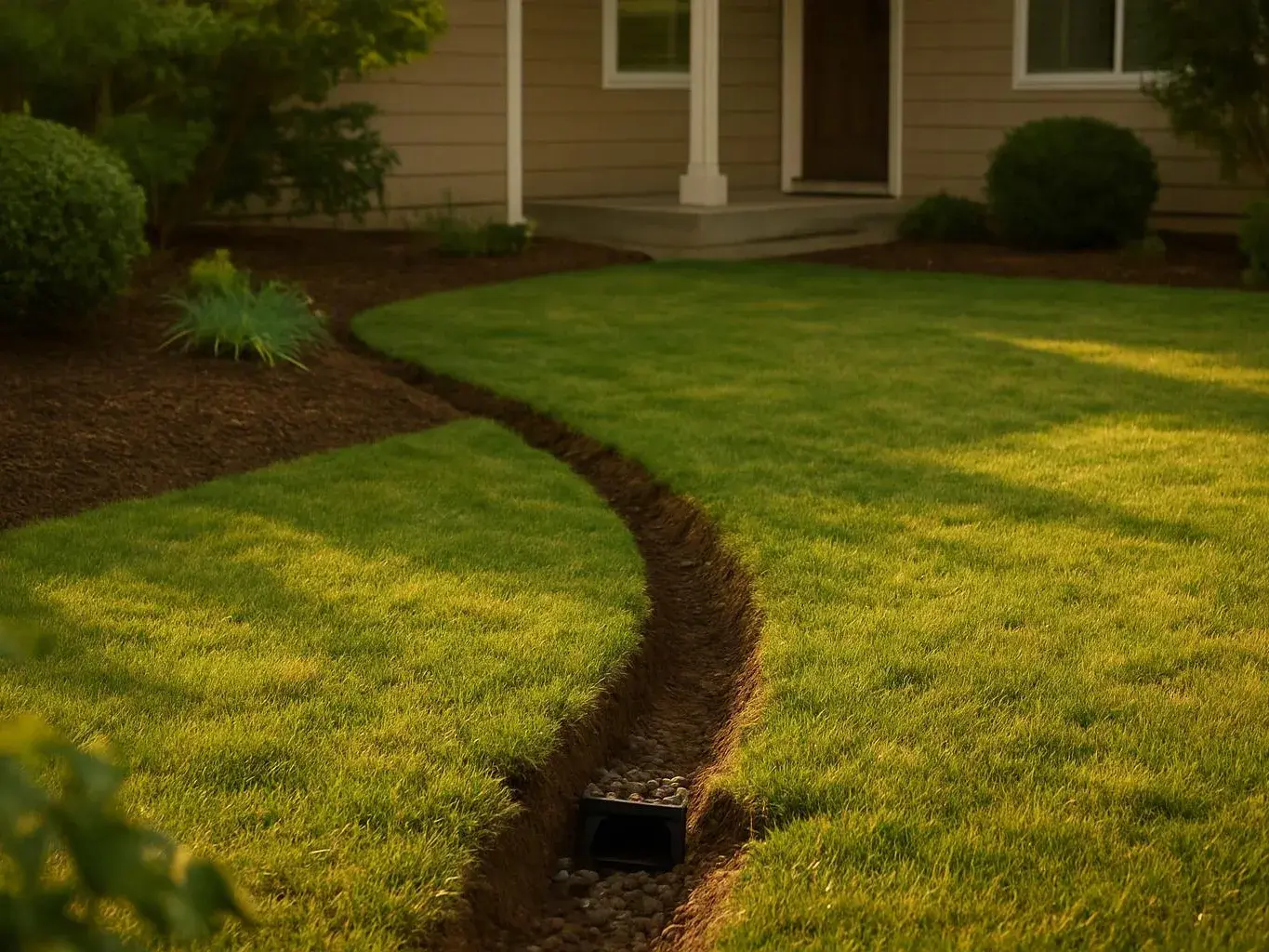
A French drain is a subsurface system that uses a perforated drain pipe inside a gravel trench. Drainage fabric helps separate soil from the gravel, while the pipe carries collected water toward an outlet.
Our team considers soil saturation, the water path, the slope, and the available outlet. We recommend French Drain Installation when underground collection matches the cause.
What Should You Check Before Calling for Yard Drainage Help?
A useful drainage check records where water enters, collects, moves, and leaves your yard.
These observations help us understand the site before we assess the drainage design. Avoid digging into buried utility areas or entering unstable ground.
Should You Fix Yard Drainage Yourself or Call Us?
DIY drainage checks suit simple observations, while installation and grading need a complete site assessment.
| Factor | What you can do yourself | What we do |
|---|---|---|
| Initial check | Observe water paths and record wet areas | Complete a yard drainage assessment |
| Grading | Identify visible low and high spots | Plan and perform land grading around the water path |
| French drain | Note repeated surface flow | Design and complete French drain installation |
| Outlet | Identify possible discharge areas from a safe location | Confirm a practical drainage outlet for collected water |
Simple observations can clarify the problem, but drainage work must match the whole site. Our quote scope explains the recommended work, drainage path, materials, and outlet.
How We Diagnose and Solve Yard Drainage Problems
We diagnose yard drainage problems by tracing water flow from its entry point to its intended outlet.
Our team checks the soil, slope, low spots, downspouts, erosion, and moisture near the foundation. We then compare grading, surface drainage, and French drain options.
Our recommendations focus on the cause, not only the visible puddle. The quote scope identifies the work needed to improve water movement and protect the surrounding landscape.
Drainage work can involve excavation and changes to the site. When the work may affect utilities, structures, or regulated systems, we advise using the properly licensed professional required for that work.
Author: Adam Gorski
Questions About Yard Drainage Problems
Can poor yard drainage damage a home's foundation?
Yes, poor yard drainage can increase moisture near a home's foundation. Rainwater flowing toward the house can also carry soil against walls and create erosion beside the structure.
Why does mulch keep washing away?
Mulch keeps washing away when surface runoff moves quickly across a slope or follows a concentrated path. The pattern can point to poor grading, soil erosion, or missing surface drainage.
Can downspouts cause water to pool in the yard?
Yes, downspouts can cause water to pool when they discharge into a low spot or cannot carry runoff to a safe outlet. Our team checks downspout flow as part of a drainage assessment.
What happens if standing water stays in a lawn?
Standing water can leave the lawn muddy and weaken grass roots. Ongoing soil saturation can also increase erosion, plant stress, and damage to nearby landscape areas.
Our team can review the water path, soil, slope, and drainage outlet with you.
Get a Free Estimate